Meta's Mark Zuckerberg says AI creates jobs as data centres expands
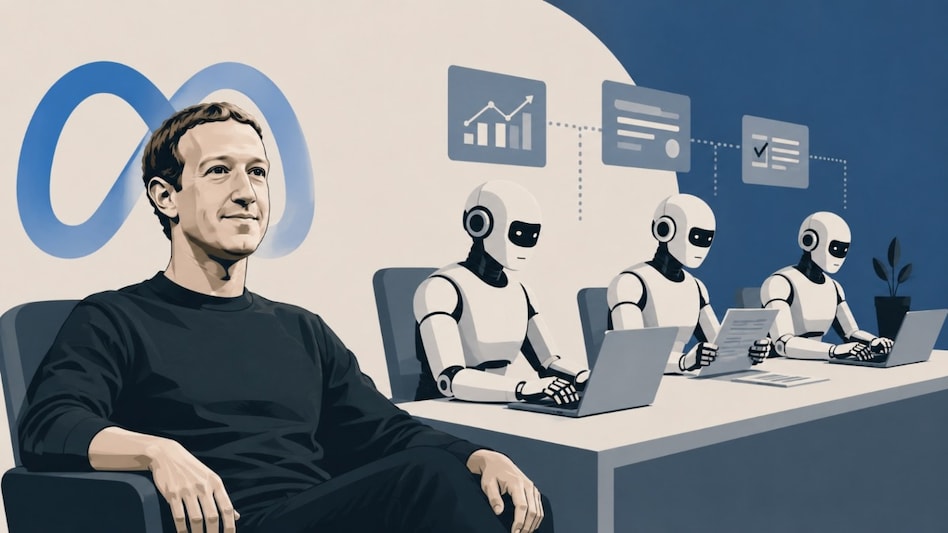
Mark Zuckerberg, the CEO of Meta, has emphasized that artificial intelligence (AI) is generating jobs instead of eliminating them, citing the extensive infrastructure needed to support this evolving technology. In a recent interview with The Wall Street Journal, he stated, "All the work around AI has net created a lot of jobs because there's all this infrastructure that needs to get created," and reassured that the large-scale job displacement many feared has not materialized as expected. Zuckerberg's comments come on the heels of Meta's decision to lay off 8,000 employees in May, part of a restructuring strategy focused on AI, which affected approximately 10% of its workforce. Despite the layoffs, the company has reassigned another 7,000 employees to initiatives centered on AI development. Meta is also planning a significant investment in AI infrastructure, with projections ranging from $130 billion to $145 billion by 2026, nearly double what was spent the previous year. The crux of Zuckerberg's argument rests on the physical expansion necessary to support AI technologies. Meta is either operating or constructing 32 data centers globally and aims to increase its computing power to 7 gigawatts this year, with plans to double that figure to 14 gigawatts by 2027. Such extensive projects require a variety of skilled workers, from construction crews to engineers specializing in cooling and power infrastructure, thereby creating jobs linked to the demand for AI. Internally, the transition to an AI-focused model at Meta has been tumultuous, marked by significant job cuts rather than growth. The layoffs initiated on May 20 began early in the morning in Singapore and continued westward, affecting employees across the globe, including some who had recently joined the company. Amidst this upheaval, employees used salad emojis as a way to express their farewells, while many offices remained vacant after HR advised staff to work from home. Discontent had been brewing prior to the layoffs, as over 1,000 employees signed a petition opposing a monitoring program that tracks keystrokes, mouse movements, and screen activity to train Meta's AI models, with no option to opt-out on corporate devices. Those who transitioned to the new Applied AI and Engineering team were informed that participation in this program was mandatory. In the landscape of finance, economy, and technology, these developments signal a pivotal shift that continues to shape the future of work at Meta and the broader impact of AI on the job market.
Jensen Huang Opens Up at Nvidia's All-Hands Meeting: A Journey of Redemption
In a heartfelt address during Nvidia's first all-hands meeting since his reinstatement, founder Jensen Huang shared his ...
TechCrunch | Nov 24, 2026, 22:20
Walmart Partners with Meta's Muse for a Smarter Black Friday Shopping Experience
The future of shopping is now, as Walmart embraces the integration of artificial intelligence into its retail strategy. ...
TechCrunch | Nov 24, 2026, 21:45
The Complex Journey of Jensen and Lori Huang: Love, Challenges, and Triumphs
Jensen Huang, the prominent CEO of Nvidia, and his wife Lori have navigated a journey filled with personal and professio...
Business Insider | Nov 24, 2026, 19:05Former OpenAI Engineer Granted Release on Bond Amid Espionage Allegations
Abdulrahman Alfozan, the ex-OpenAI engineer who was terminated and subsequently arrested last month, is poised to be rel...
Business Insider | Nov 24, 2026, 20:40Nvidia's CEO Dismisses Succession Planning Amid Controversy
Nvidia's co-founder and CEO, Jensen Huang, recently addressed employees in a comprehensive all-hands meeting, touching o...
TechCrunch | Nov 24, 2026, 22:50