
Zoox to begin offering robotaxi rides to public in San Francisco
Zoox is set to launch its robotaxi service for the public in San Francisco, marking a significant move for the Amazon-owned company as it edges closer to a commercial operation and potential rivalry with Waymo. The unique robotaxis, which are specifically designed without a steering wheel or pedals, have been navigating the streets of San Francisco for nearly a year. However, until now, rides were limited to employees and their friends and family. This initial rollout isn’t a full-scale public launch or commercial offering. Instead, Zoox is inviting a select group of individuals from its waitlist to participate in the early rider program dubbed Zoox Explorer. Participants will enjoy complimentary rides as the company gradually expands its fleet and service area, with the aim of eliminating the waitlist entirely by 2026. While the exact number of participants and those on the waitlist remains undisclosed, Zoox currently operates around 50 robotaxis in both Las Vegas and San Francisco. Once selected, users can hail rides using the Zoox app, which currently covers a small area of San Francisco, including the SoMA, Mission, and Design districts. Although this area is significantly smaller than Waymo's 260 square miles of operation, the public launch signifies a critical step towards competing with the Alphabet-owned firm. Having been acquired by Amazon in 2020, Zoox has been developing its commercial robotaxi service for over a decade. The company’s test vehicles, primarily Toyota Highlanders equipped with advanced sensors and self-driving technology, have been a familiar sight in the San Francisco Bay Area. However, it is the purpose-built robotaxis that have really sparked public interest. CEO Aicha Evans expressed enthusiasm about this next phase, stating, "Zoox has been testing our autonomous technology in San Francisco since 2017. It’s our home, a city of innovation. We're excited to bring our robotaxi experience to more people." There are still significant challenges ahead for Zoox as it seeks to establish a commercial service. The company needs to secure a permit from the California Public Utilities Commission to charge for rides and must also gain approval from the National Highway Traffic Safety Administration to use its custom-built robotaxis commercially. Progress has been made on a federal level; in August, the NHTSA granted Zoox an exemption to trial its robotaxis on public roads, addressing prior uncertainties about compliance with federal safety regulations. This exemption has enabled the company to offer free rides, but charging for services will require further regulatory changes.
Elon Musk Offers Free Verification to Nvidia's Jensen Huang Following Controversial Exit
Jensen Huang, the co-founder of Nvidia, made headlines last week after departing from the company amid allegations of an...
Business Today | Nov 17, 2026, 11:15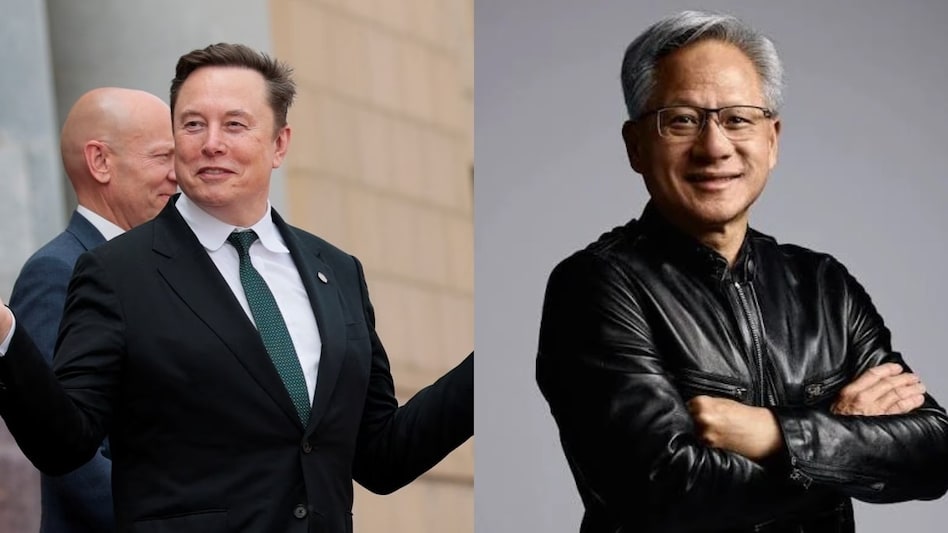
Hank Green Launches ClockwiseTV: A New Educational Video Platform for Kids
Hank Green recently shared insights into his career during an episode of his podcast, Dear Hank & John. Reflecting on hi...
TechCrunch | Nov 17, 2026, 14:15
Genesis AI Secures $500 Million to Advance Robotic Dexterity
Genesis AI is making significant strides in the realm of robotic dexterity, according to CEO and co-founder Zhou Xian. D...
TechCrunch | Nov 17, 2026, 14:10
Spotify Empowers Artists with New Tool to Combat Deepfake Music
In response to the rising tide of AI-generated music cluttering streaming platforms, Spotify has introduced a new featur...
TechCrunch | Nov 17, 2026, 14:10
Meta Unveils Direct: A Standalone App for Instagram Messaging
Meta has introduced Direct, an innovative standalone messaging application designed to manage Instagram’s direct message...
TechCrunch | Nov 17, 2026, 15:15