'Sapiens' author says the real AI timeline is 200 years — but the 'lack of concern' today is what scares him most
Yuval Noah Harari, renowned historian and author of "Sapiens: A Brief History of Humankind," expressed grave concerns about the public's perception of artificial intelligence at the World Economic Forum in Davos. He emphasized that society is underestimating the timeline associated with AI's development, warning that the true risks lie not in its rapid advancement but in the casual attitude towards it. At the forum, Harari articulated a stark distinction between short-term and long-term thinking. While many discussions at Davos frame 'long-term' as merely a couple of years, he argues that we should be contemplating a timeline extending up to 200 years. Drawing parallels to the Industrial Revolution, he noted that the most profound effects of transformative technologies often take generations to fully manifest, typically through unforeseen social and geopolitical upheavals. Harari elaborated on the unpredictable nature of these consequences, stating, "You can test for accidents, but you cannot test the geopolitical implications or the cultural implications of the steam engine in a laboratory. It's the same with AI." He warns that even if AI development were halted today, the long-term repercussions would still remain elusive and complex. He metaphorically described the current state of AI as a stone thrown into a pool, causing ripples whose effects we have yet to comprehend. This sentiment resonates with a growing chorus of AI researchers and tech leaders who are voicing their concerns over potential job losses and even existential threats to humanity. However, Harari's most pressing worry is the prevailing complacency surrounding AI's development. He highlighted that many influential figures in the tech industry are primarily driven by short-term gains, often prioritizing immediate investor expectations over the far-reaching implications of their innovations. "I'm mainly concerned about the lack of concern that we are creating the most powerful technology in human history," he stated, underscoring the need for a shift in perspective regarding the responsibilities that come with such powerful tools.
The Shift in Human Cognition: Embracing AI as a Collaborative Tool
As technology continues to evolve, a notable shift is occurring in the relationship between humans and artificial intell...
Business Insider | Jul 25, 2026, 09:50Finland Unveils World's Largest Sand Battery to Tackle Renewable Energy Challenges
In a groundbreaking move to address the critical issue of renewable energy intermittency, a small town in southern Finla...
CNBC | Jul 25, 2026, 05:35
Unlocking the Secrets of Quantum Gravity: Can AI Help Physics Make a Leap?
The realm of scientific research is undergoing a profound transformation, fueled by the rapid advancements in artificial...
Business Today | Jul 25, 2026, 24:30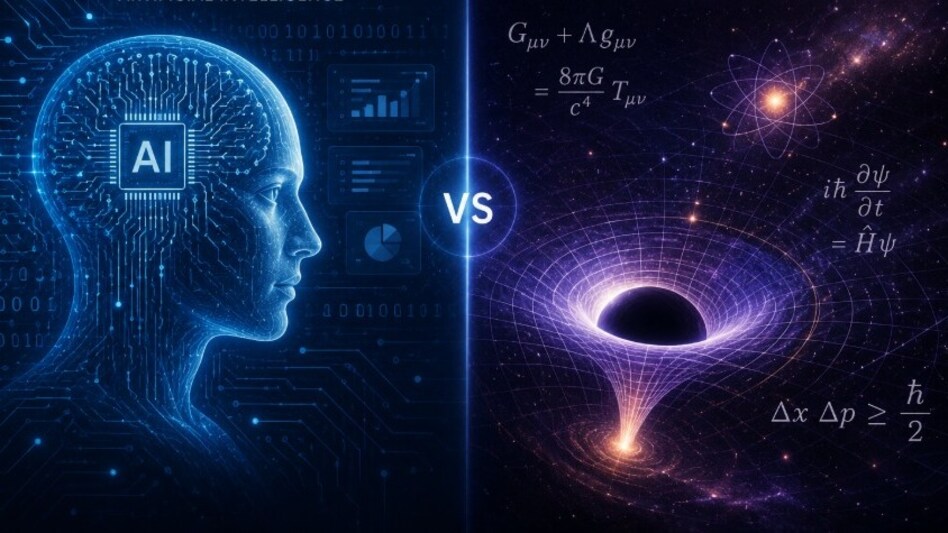
Warner Bros. Takes Legal Action Against Amazon Over Executive Poaching Allegations
Warner Bros. Discovery has initiated legal proceedings against Amazon, accusing the tech giant of unlawful interference ...
TechCrunch | Jul 25, 2026, 21:25
OpenAI's Micro Keypad: A Novelty for Coders or Just a Confounding Gadget?
Last week, OpenAI made its debut in the hardware landscape with the launch of Micro, a stylish keypad designed to integr...
TechCrunch | Jul 25, 2026, 24:40