
YouTube's new AI deepfake tracking tool is alarming experts and creators
YouTube has recently introduced a tool designed to help creators protect their likenesses from unauthorized AI-generated content, but it has sparked significant concern among experts and creators alike. The platform's 'likeness detection' feature utilizes creators' biometric data to identify and flag videos that misuse their images. However, this practice has raised alarms regarding the potential misuse of sensitive data. In a statement to CNBC, YouTube clarified that it has never used creators' biometric data for training AI models, although the policy allows for such a possibility. This contradiction has stirred unease within the creator community, as YouTube strives to balance its aggressive AI initiatives with the trust of those who rely on the platform for their livelihoods. The likeness detection tool, which began rolling out in October, enables creators to monitor instances where their faces appear without permission in deepfake videos—a growing concern as AI-manipulated content becomes commonplace. To use the tool, creators must provide a government-issued ID and a video of their face, prompting concerns from experts who caution that such requirements could lead to future abuses of biometric data. Dan Neely, CEO of Vermillio, emphasized the importance of control over one's likeness in the AI era, warning creators to consider the risks before handing over their biometric information. Third-party companies like Vermillio and Loti are emerging to assist creators in safeguarding their likeness rights amid increasing AI capabilities. As AI video generation technology improves, creators like Dr. Mikhail Varshavski, known as Doctor Mike, are becoming increasingly vulnerable to deepfake attacks that could mislead audiences and damage their reputations. Varshavski recounted a frightening experience with a deepfake promoting a supplement he had never endorsed, highlighting the real-world implications of such technology. YouTube's Head of Creator Product, Amjad Hanif, stated that the platform aims to support creators, adding that the tool would soon be available to over three million members of the YouTube Partner Program. However, the rollout of this feature comes at a time when the threat of unauthorized likeness usage is intensifying, with many creators still lacking avenues to monetize or control the AI-generated use of their images. Despite the low numbers of takedowns reported by YouTube, experts believe that this may stem from confusion about the tool rather than comfort with AI-generated content. As the landscape of digital media continues to evolve, creators are urged to remain vigilant about protecting their identities and rights in a rapidly changing environment.
Volkswagen Engineers Indicted for Insider Trading Linked to Rivian Partnership
In a significant legal development, the U.S. Department of Justice has brought securities fraud charges against two engi...
TechCrunch | Jul 24, 2026, 20:30
The Rise of AI Distillation: A Controversial Technique Sparks Debate in Tech and Government
In recent discussions, a once-obscure topic in artificial intelligence has surged to the forefront of debates among tech...
CNBC | Jul 25, 2026, 12:15
The Aluminum Foil Trend: A DIY Shield Against Wireless Identity Theft
Have you noticed an unusual trend where people are wrapping their wallets in aluminum foil? This peculiar practice has e...
Business Today | Jul 25, 2026, 02:45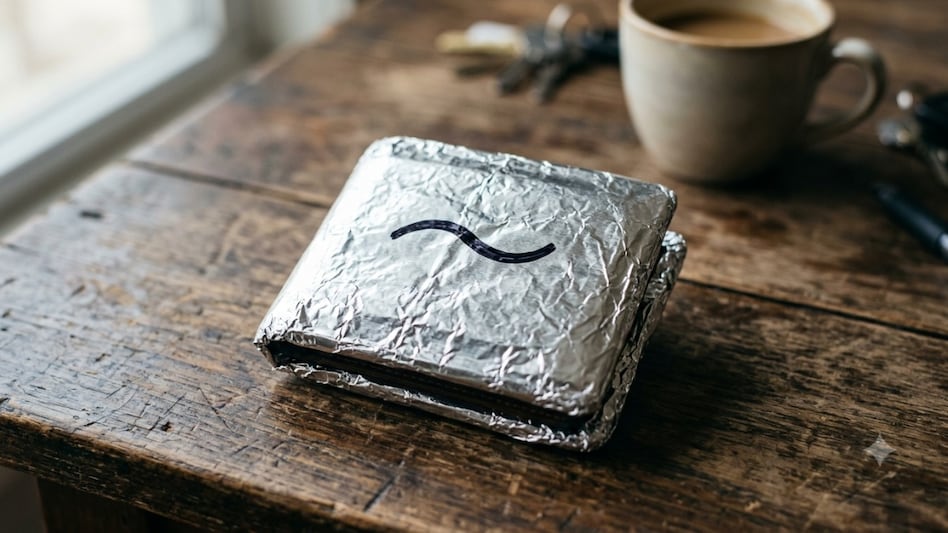
Elon Musk Faces Major Setbacks as Tesla and SpaceX See Significant Stock Declines
It has been a challenging week for Elon Musk, as both Tesla and SpaceX experienced substantial stock declines. Tesla sha...
CNBC | Jul 24, 2026, 20:40
Waymo to Launch Standalone App, Ending Exclusivity with Uber in Major Cities
For the past three years, Uber and Waymo, the autonomous vehicle division of Alphabet, have collaborated to provide driv...
CNBC | Jul 24, 2026, 21:55