YouTube’s likeness detection technology has officially launched
YouTube has officially launched its innovative likeness detection technology for creators enrolled in the YouTube Partner Program, following a successful pilot phase. This new feature empowers creators to request the removal of AI-generated content that utilizes their likeness, including their voice and image. A spokesperson for YouTube informed TechCrunch that this initial rollout has begun, with eligible creators receiving notification emails earlier today. The technology is designed to combat the misuse of creators' likenesses, preventing unauthorized endorsements and the dissemination of misinformation. The rise of AI likeness misuse has been alarming, with instances such as the company Elecrow using an AI-generated voice clone of YouTuber Jeff Geerling to promote its products. On its Creator Insider channel, YouTube has shared clear instructions for creators on how to utilize this new tool. To get started, creators must navigate to the “Likeness” tab, consent to data processing, and scan a QR code displayed on their screen with their smartphone. This leads them to a web page for identity verification, which requires a photo ID and a short selfie video. After gaining access to the tool, creators can review all identified videos and submit removal requests in accordance with YouTube’s privacy guidelines, or they have the option to file a copyright request. Additionally, there is a feature to archive the video. Creators retain the flexibility to opt out of this technology whenever they choose, at which point YouTube will cease scanning for videos within 24 hours. The likeness detection technology has been undergoing pilot testing since earlier this year. Last year, YouTube announced its collaboration with Creative Artists Agency (CAA) to assist celebrities, athletes, and creators in identifying content on the platform that misuses their AI-generated likeness. In April, YouTube also voiced its support for the NO FAKES ACT, a legislative effort aimed at tackling the challenges posed by AI-generated replicas that imitate individuals’ images or voices, often leading to deception and harmful content.
IBM Adjusts 2026 Revenue Outlook Amid Earnings Disappointment
On Wednesday, IBM revised its revenue forecast for 2026 downward, reporting quarterly profits that fell short of analyst...
CNBC | Jul 22, 2026, 20:25
Google's AI Investments Lead to Unprecedented Cash Flow Loss
Google has revealed a staggering shift in its financial landscape, reporting a negative free cash flow of $5.9 billion f...
Business Insider | Jul 22, 2026, 23:40AI Skills Outshine Experience in India's Tech Job Market
In a significant shift within India's technology job market, specialized artificial intelligence (AI) skills are increas...
Business Today | Jul 23, 2026, 04:00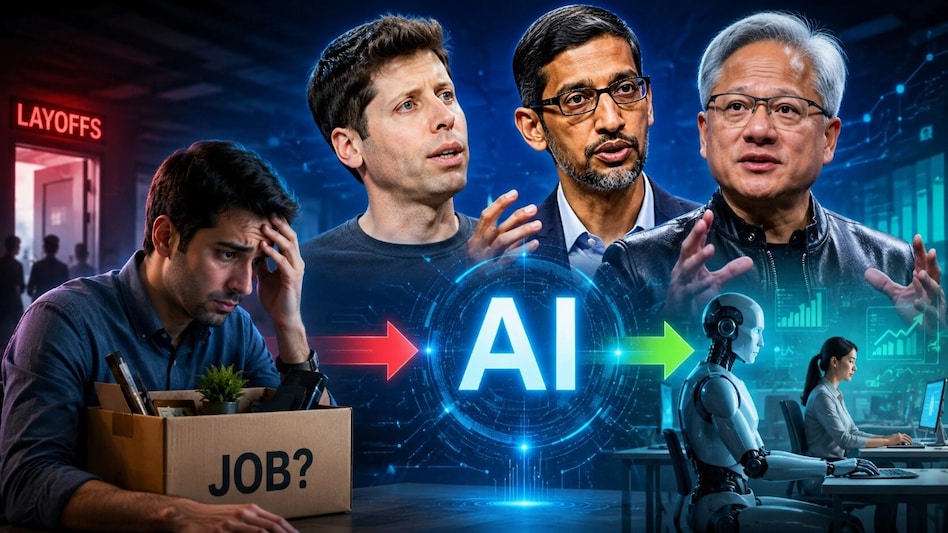
Tesla Adjusts Production Timeline Amid Rising Costs and Strategic Shifts
Tesla has revised its plans for achieving 'volume production' of its latest offerings—the Cybercab, Tesla Semi, and Mega...
TechCrunch | Jul 22, 2026, 21:05
AI Trends Transforming India's IT Landscape: A Shift in Revenue Models
India's IT services sector, valued at approximately $300 billion, is on the brink of a significant transformation as art...
Business Today | Jul 23, 2026, 04:55