YouTube looks to improve its TV app with QR codes for shopping, AI-powered upscaling
On Wednesday, YouTube revealed a series of innovative updates aimed at enhancing the user experience on its TV application. Among the standout features is the introduction of QR codes, which allow viewers to shop for items featured in videos. This new capability enables users to scan codes with their smartphones, providing direct access to product pages linked to creators' content. This initiative comes as part of YouTube's strategy to strengthen its presence in the living room. Remarkably, the platform accounted for 12.4% of total television viewing time, outperforming major competitors like Disney, Paramount, and Netflix, according to an April report by Nielsen. The move to include QR codes is expected to increase revenue, especially for shopping-related content, which has attracted a staggering 35 billion viewing hours over the past year. In addition to QR codes, YouTube has reported a significant rise in the number of channels generating six-figure revenues from TV screens—an increase of over 45% in just one year. Although shoppable QR codes are not entirely new, as platforms like Roku and Peacock have previously adopted similar features, YouTube's approach aims to empower content creators by linking directly to their online stores. YouTube is also testing a feature that showcases products at specific moments within videos, potentially revolutionizing how viewers engage with content. Further updates are set to enhance the overall TV viewing experience. For instance, the platform is increasing the thumbnail file limit from 2MB to 50MB, accommodating 4K-resolution thumbnails. Additionally, select creators will soon have the opportunity to upload larger video files, allowing for enhanced video quality. A noteworthy AI-powered feature is being introduced to automatically upscale videos uploaded at lower resolutions to full HD, with future plans to support upscaling to 4K. YouTube assures creators that they will retain control over their original content, and viewers will still have the option to watch videos in their original resolution. While these upgrades aim to elevate YouTube’s TV experience to compete with other platforms, the effectiveness of the technology is yet to be determined. Previously, Netflix faced challenges when using AI to upscale older shows, leading to issues such as distorted visuals. Additional features include immersive previews for easier navigation through videos, and improved content discovery via contextual search—ensuring that when users search directly from a creator’s channel, their videos are prioritized in the results, creating a more streamlined viewing process.
OpenAI Unveils Innovative Software to Transform Corporate AI Integration
OpenAI has introduced a groundbreaking product named OpenAI Presence, signaling a strategic shift beyond its traditional...
Business Insider | Jul 22, 2026, 12:05Samsung Unveils Cutting-Edge Foldables: Galaxy Z Fold 8, Z Fold 8 Ultra, and Z Flip 8 Launch Highlights
At the much-anticipated Galaxy Unpacked 2026 event, Samsung has introduced its latest generation of foldable smartphones...
Business Today | Jul 22, 2026, 13:40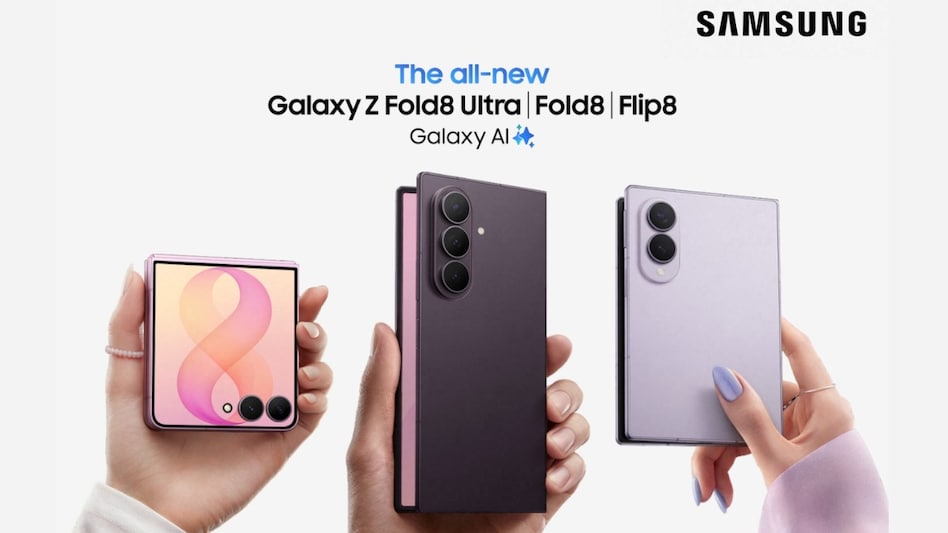
India's Data Centre Boom: Fuelled by AI and Cloud Demand
India's data centre sector is poised for unprecedented growth, with investments projected to reach approximately $90 bil...
Business Today | Jul 22, 2026, 13:00
Passionfroot Secures $15 Million to Broaden B2B Creator Marketplace in the U.S.
Passionfroot, a Berlin-based startup connecting B2B creators with brands, has successfully raised $15 million in a Serie...
TechCrunch | Jul 22, 2026, 13:10
Nvidia's New Whitelist Strategy: Implications for AI Chip Access in India
AI chips have transitioned from niche computing components to critical assets that underpin technologies like generative...
Business Today | Jul 22, 2026, 10:15