As its voice dectation app takes off, Wispr secures $25M from Notable Capital
Wispr, a burgeoning player in the voice AI sector, has announced a significant funding round, securing $25 million led by Notable Capital. This comes on the heels of the impressive performance of its dictation app, Wispr Flow, which has gained substantial traction among users. Data indicates that, on average, users are generating over 50% of their text through the app after just three months of usage. The company has made inroads with 270 Fortune 500 firms and has signed on 125 enterprises as customers. With this latest investment, Wispr has now amassed a total of $81 million in funding, following a previous $30 million round in June led by Menlo Ventures. Notable Capital’s Hans Tung, a noted investor in successful companies like Affirm and Airbnb, will join Wispr’s board as an observer. CEO Tanay Kothari shared that Wispr Flow has experienced a remarkable 40% month-over-month growth since June. The app has garnered significant interest from the venture capital community, prompting a wave of inbound inquiries from investors. Although Wispr initially wasn't planning to raise additional funds, Kothari recognized the value of partnering with Notable’s team after they presented thorough research and strong arguments for investment. Looking ahead, Wispr is focused on expanding its international presence and exploring new product opportunities. The latest funding will enable the startup to attract top-tier machine learning talent, which it hopes to leverage against competitors like OpenAI and Anthropic. The company reports a staggering 100x increase in its user base year-over-year, alongside a 70% retention rate over the past year. Kothari noted a previous decline in user engagement when non-technical individuals discovered the app but did not fully understand its features. To address this, Wispr has implemented a user-friendly design flow to better guide new users in utilizing dictation across various applications. In addition to enhancing user experience, Wispr plans to expand its app availability beyond Windows, Mac, and iOS, with a beta version for Android expected by year-end and a full launch scheduled for Q1 2025. The company is also investing in developing its own voice models to improve its Automatic Speech Recognition (ASR) capabilities, aiming to reduce the current error rate of 10%, which is already lower than competitors like OpenAI's Whisper and Apple’s transcription. While Wispr has been gaining traction, it faces competition from other dictation apps, including those backed by Y Combinator. Nonetheless, the startup aspires to evolve beyond a simple dictation tool, aiming to automate tasks such as email replies. Tung expressed confidence in Wispr, highlighting its ambition to become a voice-led operating system capable of initiating workflow automation. The enthusiasm surrounding Wispr Flow reflects its potential to redefine user interaction in the voice technology space.
Oracle Secures Massive $7 Billion Deal with Pentagon to Enhance Military Data Operations
The Pentagon has officially announced a significant partnership with Oracle, awarding the tech giant a contract valued a...
CNBC | Jul 23, 2026, 21:15
Mobileye's Visionary Leader Transitions as Company Shifts Focus to Robotics and Robotaxis
Amnon Shashua, the founder and CEO of Mobileye, has announced his intention to step down from his leadership role after ...
TechCrunch | Jul 23, 2026, 23:15
China's Kimi K3: A New Contender in the Global AI Race Sparks US Concerns
The tech world is buzzing once again as a new Chinese AI model, Kimi K3, developed by the startup Moonshot AI, challenge...
CNN | Jul 24, 2026, 02:05
New Safety Rules on the Horizon for Vehicle Exit Mechanisms Following Tesla Incidents
U.S. safety regulators are set to establish new standards aimed at ensuring that both drivers and passengers can safely ...
TechCrunch | Jul 23, 2026, 20:40
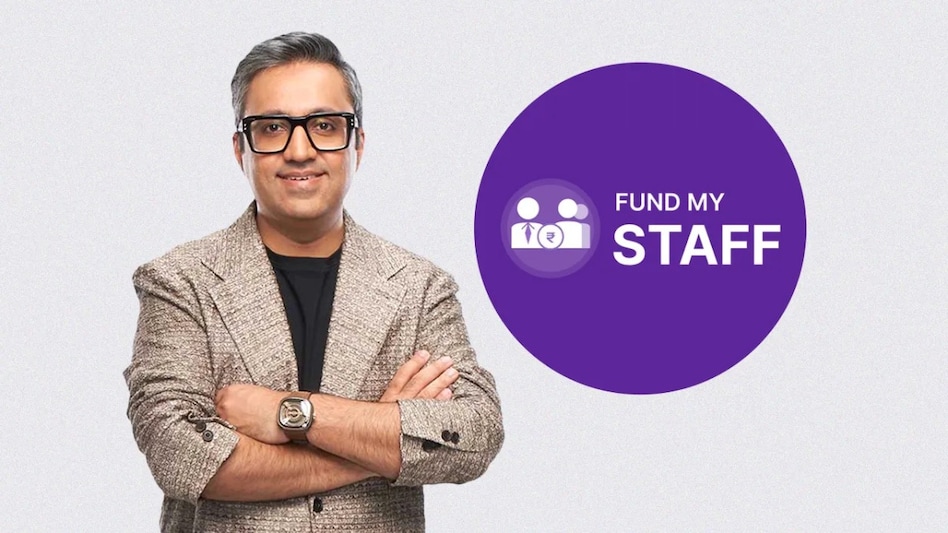
Ashneer Grover Unveils Innovative Loan Guarantee Platform for Employees
Ashneer Grover, the former MD and co-founder of BharatPe, has made waves with the announcement of his new fintech initia...
Business Today | Jul 24, 2026, 05:55