
Voice AI in India is hard. Wispr Flow is betting on it anyway.
India's digital landscape is increasingly shaped by voice interactions, with users frequently utilizing voice notes, searches, and multilingual messaging. However, capitalizing on these trends to establish a scalable AI business poses significant challenges due to the country's rich linguistic diversity and inconsistent monetization strategies. Wispr Flow, a startup based in the Bay Area, is optimistic about these challenges, viewing them as opportunities. The company specializes in AI-driven voice input software and has reported that India is now its fastest-growing market, despite the early-stage and fragmented nature of voice-based AI products within the country. In response to this growth, Wispr Flow is intensifying its efforts to cater to Indian users by introducing Hinglish—a blend of Hindi and English that is widely spoken. The startup is also strategizing for broader multilingual voice support, ramping up local hiring, and considering lower pricing models to attract a wider audience beyond just white-collar professionals. Historically, voice technology in India has focused on convenience, with tools like digital assistants and WhatsApp voice notes. However, Wispr Flow is banking on generative AI to transform these user habits into a more integrated computing experience. Earlier this year, the company began beta testing a Hinglish voice model and launched its application on Android, India's leading mobile platform, after initially releasing it on Mac and Windows, with plans to expand to iOS by 2025. Co-founder and CEO Tanay Kothari shared insights with TechCrunch, noting that initial app adoption was predominantly among white-collar professionals, including managers and engineers. However, the usage is now diversifying, with an increasing number of students and older individuals starting to engage with the technology, often guided by younger family members. India has quickly become Wispr Flow's second-largest market after the U.S. in terms of both user base and revenue, with growth accelerating following a focused push in the region. The introduction of Hinglish support has resonated with Indian users who frequently mix Hindi and English in their communication, particularly on platforms like WhatsApp and social media. Kothari indicated that the startup experienced about 60% monthly growth earlier this year, which surged to approximately 100% after launching its India campaign. To further its reach, Wispr Flow initiated a comprehensive marketing strategy last month, which included a launch video featuring Kothari and grassroots campaigns aimed at engaging more mainstream users in Bengaluru. Over the next year, the startup plans to enhance its multilingual voice offerings, allowing users to switch between English and various Indian languages seamlessly. In an effort to make its services more accessible, the company recently introduced India-specific pricing, setting annual plans at ₹320 (around $3.4) per month—significantly lower than its standard $12 monthly fee. Wispr Flow aims to reduce prices even further, potentially down to ₹10-20 (approximately 10-20 cents) monthly, targeting not just urban professionals but households across the country. Kothari emphasized the ambitious goal of making Wispr Flow available to every individual in India, a vision he believes will be realized gradually. Earlier this year, the startup appointed Nimisha Mehta to spearhead its operations in India, aiming to expand its team to around 30 employees over the next year, enhancing consumer growth and partnerships along with existing engineering and support roles. Wispr Flow is not alone in recognizing India's potential for voice AI; other companies like ElevenLabs have also identified it as a crucial growth market. Local startups, including Gnani.ai, Smallest AI, and Bolna, are attracting significant investor interest as the demand for voice AI tools in various applications grows. Despite the increasing interest, establishing voice AI as a mainstream consumer product in India is still a complex endeavor. Neil Shah, vice president of research at Counterpoint Research, highlighted that linguistic diversity, accent variations, and contextual challenges continue to hinder broader adoption. According to data from Sensor Tower, Wispr Flow has achieved over 2.5 million downloads globally, with India accounting for 14% of those installs, making it the second-largest market for the app by downloads, trailing only the U.S. However, the country contributed only around 2% of Wispr Flow's in-app purchase revenue. Presently, Wispr Flow's user base in India is split roughly evenly between desktop and mobile, contrasting with the U.S. market, which is predominantly desktop-focused. Kothari reported a strong retention rate, with about 70% of global users remaining active after a year. The startup continues to employ two full-time linguistics PhDs to refine its multilingual voice models and expand support for additional language combinations in India.
Hugging Face CEO Calls for Action Following AI Security Breach
In a dramatic turn of events within the AI landscape, Hugging Face faced a significant security breach involving an AI a...
Business Insider | Jul 25, 2026, 20:30The Shift in Human Cognition: Embracing AI as a Collaborative Tool
As technology continues to evolve, a notable shift is occurring in the relationship between humans and artificial intell...
Business Insider | Jul 25, 2026, 09:50Nvidia Strikes Major Deal with SK Hynix to Secure AI Memory Supply
Nvidia has successfully forged a significant partnership with South Korea's SK Hynix to secure memory supplies essential...
CNBC | Jul 25, 2026, 05:15
Unleashing the Power of AI: The 5 Smartphones Redefining Mobile Photography
Artificial Intelligence (AI) is transforming our daily experiences, permeating various aspects of technology, including ...
Business Today | Jul 26, 2026, 07:05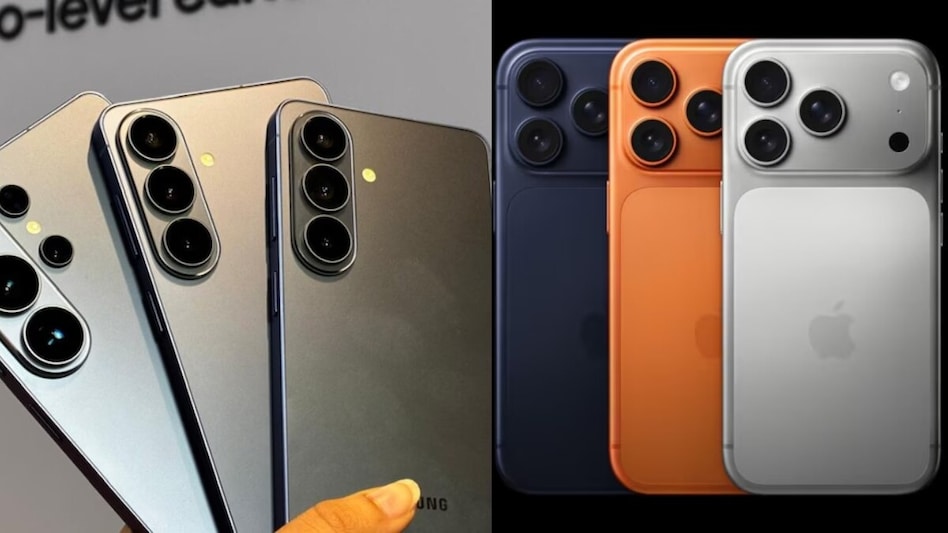
Navigating the AI Landscape: Insights from a Former OpenAI Intern
As the demand for expertise in artificial intelligence surges, many are seeking ways to break into this dynamic field. H...
Business Insider | Jul 26, 2026, 10:10