
Wikipedia loses UK Safety Act challenge, worries it will have to verify user IDs
In a recent legal development, the Wikimedia Foundation faced a setback in its challenge against the UK Online Safety Act, which could impose strict user verification requirements on the popular online encyclopedia. The High Court of Justice in London dismissed the foundation's claims regarding the lawfulness of the categorization system that designates which websites must adhere to specific regulations. Justice Jeremy Johnson, however, highlighted that this ruling does not allow Ofcom or the Secretary of State to implement a framework that could severely disrupt Wikipedia's functions. The Online Safety Act has already compelled social media platforms like Reddit to verify the ages of their UK users before granting access to adult content, raising alarms about privacy and user autonomy. The Wikimedia Foundation expressed concern that it could soon be classified as a "Category 1" operator under the Act. This categorization would require them to verify the identities of Wikipedia users, which the foundation criticized as too broad and vague. They warned that such a designation could lead to significant challenges, including the potential for unchecked vandalism and misinformation on its platform. The foundation noted that while not every user would need to undergo verification, a related regulation could allow malicious actors to block unverified users from editing or removing content. This scenario poses risks of rampant disinformation and abuse unless all contributors, regardless of age or location, comply with identity verification processes. Wikimedia highlighted the potential dangers of user verification, including exposure to data breaches and harassment, especially for those in oppressive regimes. With an estimated 26 million users in the UK—far exceeding the government's 7 million figure—the foundation argued that the government's criteria are fundamentally flawed. They contended that the regulations, intended for large, profitable social media companies, are overly broad and inadvertently include Wikipedia, despite it not being the intended target of the policy.
Savi Security Launches App to Combat AI-Driven Scams Amid Rising Threats
Tech-savvy brothers Patrick and Ryan Coughlin have unveiled Savi Security, a groundbreaking startup dedicated to shieldi...
TechCrunch | Jul 07, 2026, 12:25
Introducing the Nothing Phone (4b): A Bold New Addition to the Smartphone Market
Nothing has unveiled its latest smartphone, the Nothing Phone (4b), part of the new (b) series lineup. This device aims ...
Business Today | Jul 07, 2026, 11:00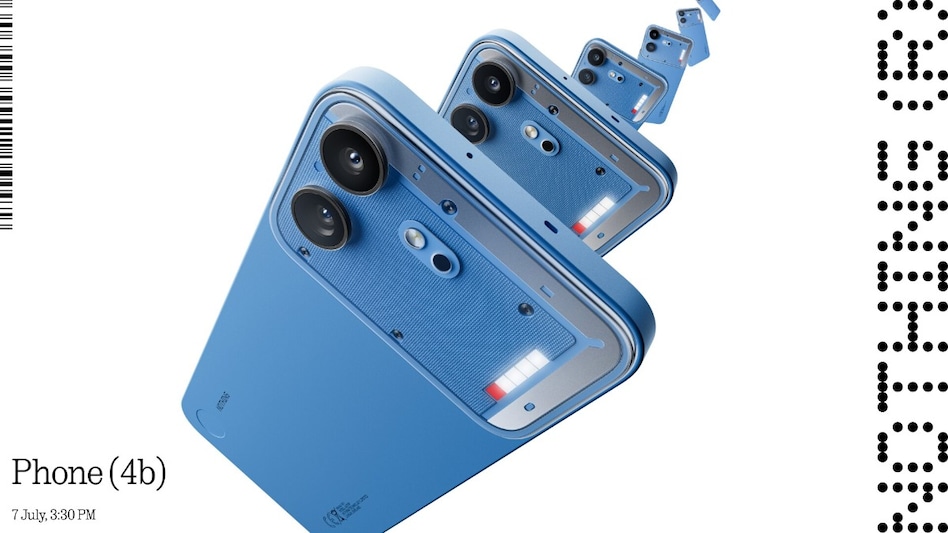
Bidbus Revolutionizes Used Car Sales with Competitive Dealer Bidding
Selling a vehicle can often feel like a daunting task. While platforms like Carvana offer convenience, they might fall s...
TechCrunch | Jul 07, 2026, 14:15
Semiconductor Stocks Plummet as Samsung's Earnings Fall Short of AI Expectations
Investors reacted sharply on Tuesday, selling off semiconductor stocks after Samsung Electronics reported earnings that ...
CNBC | Jul 07, 2026, 17:25
Anticipation Builds for Samsung Galaxy Unpacked 2026: New Foldables and Smart Devices on the Horizon
Samsung is gearing up for its highly anticipated Galaxy Unpacked 2026 event, expected to take place in July. While the e...
Business Today | Jul 07, 2026, 10:55