Whoop has LeBron – now it wants your mom
For nearly ten years, Whoop has positioned itself as an essential gadget for elite athletes. LeBron James was one of the first high-profile users to don the fitness tracker, followed closely by sports icons like Michael Phelps, Cristiano Ronaldo, and Patrick Mahomes. This association with top performers has resonated with the public, effectively communicating that the best in the world utilize Whoop to monitor their health. Founded by Will Ahmed during his senior year at Harvard, the Boston-based health wearable company has expanded its reach to over 200 countries. Last year, Whoop reported impressive growth, with revenues soaring more than 100% and achieving positive cash flow. The wearable device, which can be worn on the wrist, bicep, or torso, evaluates various health metrics including sleep quality, recovery rates, heart rate variability, and an expanding range of biomarkers. Its subscription model, which bundles the device and software for an annual fee of $200 to $360, has demonstrated remarkable retention: 83% of active users engage with the app daily, a statistic that ranks just behind WhatsApp. However, Whoop is now embarking on a more ambitious mission. Ahmed aims for the company to evolve beyond a mere performance tracker to a vital health monitor—one capable of alerting users to potential health crises, such as an impending heart attack. Whoop has already introduced medically validated features like ECG monitoring and atrial fibrillation detection, which can identify irregular heartbeats linked to the risk of strokes. Despite facing regulatory challenges from the FDA regarding its blood pressure insights feature, Whoop continues to innovate. A new partnership with Quest Diagnostics allows users to take blood tests and integrate their health data directly into the app, where clinicians can analyze results alongside existing Whoop data. A standout feature called Health Span, which estimates biological age, has gained immense popularity since its launch last May. Designed without a screen, notifications, or a step counter, Whoop intentionally avoids competing with traditional smartwatches. Ahmed explains that by not being a watch, Whoop can seamlessly integrate into users' lives, even hidden in clothing like bicep sleeves or sports bras. While Whoop's initial appeal may have stemmed from its use among elite athletes, the company has seen a significant increase in its apparel line, which grew 70% last year. The competition is heating up, with rivals like Oura, the Finnish company behind a popular smart ring, also aiming to broaden their market. Oura’s business model differs slightly, requiring a one-time purchase of the ring followed by an annual platform fee. Both companies report that women are their fastest-growing demographic and have recently announced blood-testing collaborations almost simultaneously. Despite its growth, Whoop's user base is still predominantly male, although Ahmed notes that the company now sees a more balanced distribution between U.S. and international customers, with shipments going to 60 countries. Whoop's brand visibility has been further amplified by its association with high-profile athletes, who have resisted removing their bands even during official competitions, as demonstrated at the Australian Open this year. Ahmed views this organic endorsement as a testament to the device's value. Whoop's policy of not offering equity for athlete endorsements emphasizes the company's belief in the product’s inherent appeal. Strategic partnerships with entities like Ferrari and the PGA Tour aim to showcase Whoop to audiences aligned with their brand ethos. As Oura reportedly explores an IPO, Whoop is also focused on its growth, currently employing about 750 people and looking to hire an additional 600. Ahmed remains optimistic about Whoop's trajectory, emphasizing that the company’s commitment to innovation and its mission will ultimately define its future success, regardless of competitors' moves in the market. Reflecting on his journey, Ahmed acknowledges the challenges of entrepreneurship but encourages aspiring founders to focus on solving meaningful problems rather than merely seeking the title of ‘founder.’ His dedication to Whoop and its mission underscores his belief in the potential impact of technology in personal health.
Facebook Unveils New Seller App and Free Verification System to Boost Marketplace Engagement
In an effort to enhance user engagement and streamline operations, Facebook has announced a series of updates aimed at M...
TechCrunch | Jul 24, 2026, 13:00
Blinkit Rises to Challenge Amazon in E-Commerce Landscape
In an impressive leap forward, Blinkit has significantly increased its operational scale, with the cost to establish a s...
Business Today | Jul 24, 2026, 09:35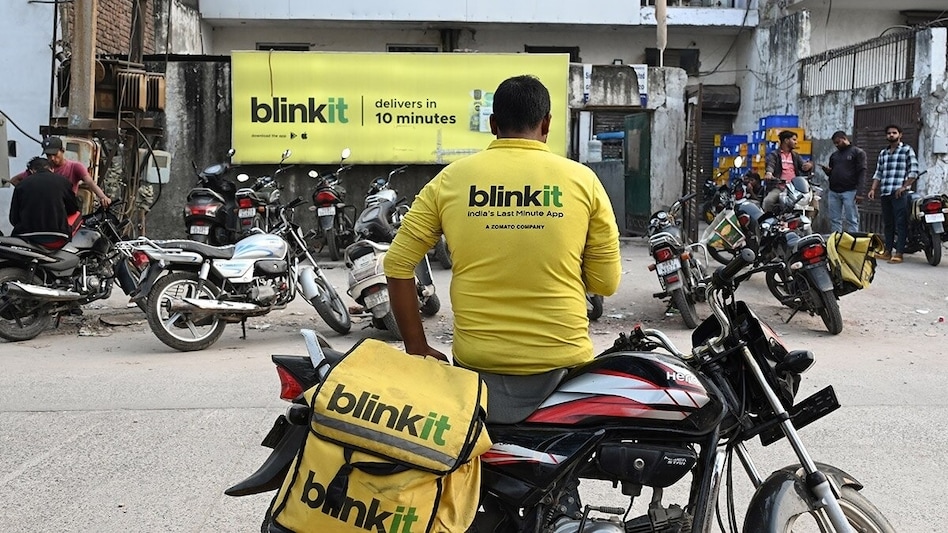
India Takes Action Against Jack Dorsey's Bitchat App Amid Protests
In a significant move, India's cybercrime agency, the Indian Cyber Crime Coordination Centre (I4C), has mandated GitHub ...
Business Today | Jul 24, 2026, 10:25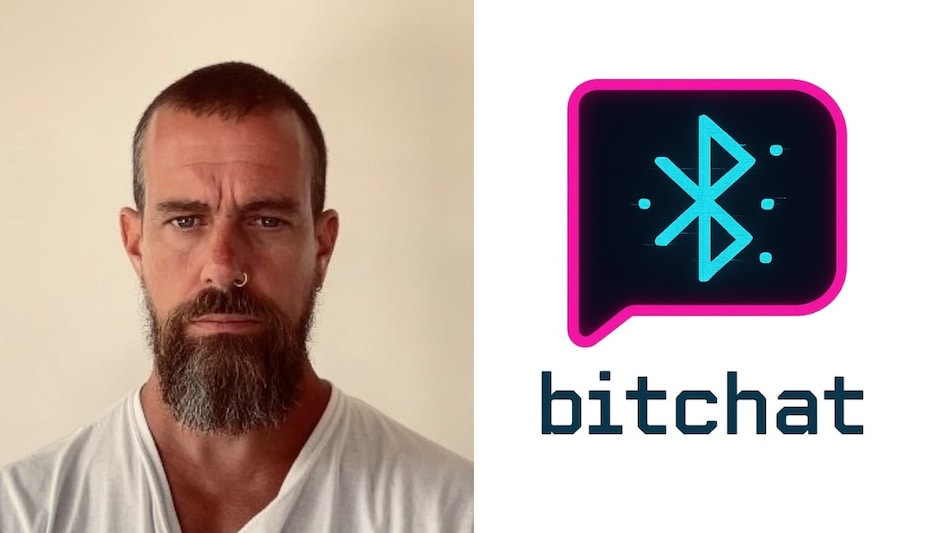
Nvidia's Jensen Huang Calls for a More Balanced AI Narrative Amid Growing Public Concerns
In a recent interview, Nvidia's CEO Jensen Huang urged leaders in the artificial intelligence sector to adopt a more con...
Business Insider | Jul 24, 2026, 09:50Meta Tightens Rules on Smart Glasses to Protect User Privacy on Instagram
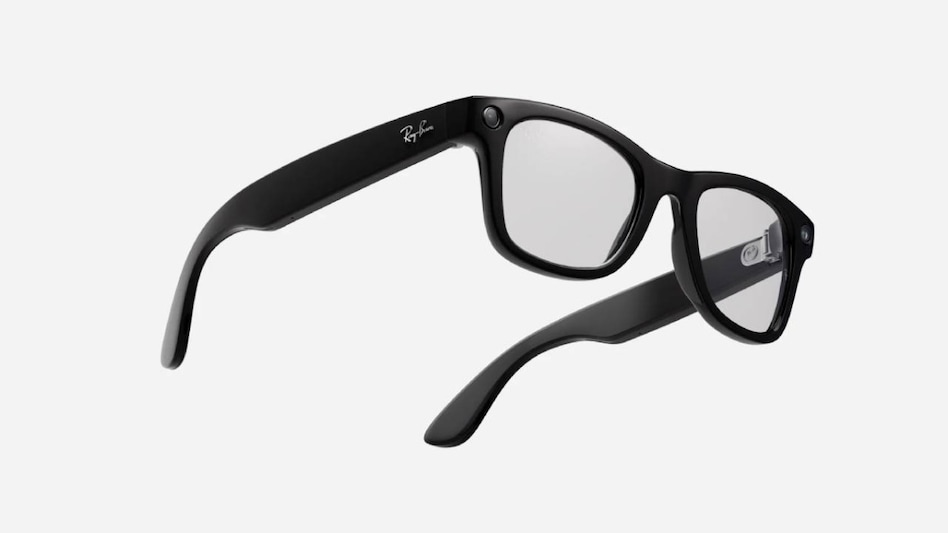
Meta has taken a significant step in addressing privacy issues related to smart glasses by implementing new guidelines f...
Business Today | Jul 24, 2026, 11:50