
Code leak in ChatGPT beta hints at OpenAI’s first steps toward in-app advertising: Reports
Recent findings suggest that OpenAI is exploring the inclusion of advertisements within its ChatGPT platform. Reports indicate that the latest Android beta version, 1.2025.329, contains elements indicating an internal advertising system. Notable code snippets, such as "search ad," "search ads carousel," and "bazaar content," have been unearthed, hinting at OpenAI's experiments with integrating sponsored content into user interactions. Evidence gathered by sources like Bleeping Computer points to a focus on enhancing responses related to search queries instead of general conversations. This potential shift could be part of OpenAI’s broader strategy to create additional revenue streams to accommodate growing computational needs. Currently, the company offers both free and subscription services, and the introduction of ads could represent a new avenue for monetization. OpenAI's CEO, Sam Altman, has previously acknowledged that advertising is a possibility, though specific plans remain unconfirmed. He emphasized the need to uphold user trust, cautioning against biased promotions that could undermine the platform's integrity. Moreover, OpenAI has been actively recruiting for engineering positions geared towards advertising, indicating a more structured approach may be in the works. If implemented, ads are expected to emerge not as typical banners but as contextual suggestions, particularly during product or shopping inquiries. The potential role of ChatGPT's memory feature in personalizing advertisements raises additional concerns regarding data privacy and transparency. Despite these developments, users have yet to encounter any advertisements within the app. Analysts warn that while a precise timeline remains uncertain, some speculate that 2026 may witness the official rollout of these features. The integration of ads could significantly alter user interactions with ChatGPT, especially as the platform is widely utilized for objective advice. This blending of AI-generated responses with commercial messages may challenge how educators, journalists, and researchers evaluate the information provided. Increased scrutiny on privacy issues may also arise if personalized histories begin to influence ad targeting.
Dueling Interests: The Clash Over Robotaxi Regulations in D.C.
In the rapidly evolving landscape of transportation, the battle for robotaxi regulations is heating up, particularly as ...
TechCrunch | Jul 19, 2026, 16:20
Apple's Lawsuit Against OpenAI: A Potential Roadblock for Hardware Ambitions
Apple has initiated a trade secrets lawsuit against OpenAI, alleging that the AI firm engaged in unethical practices to ...
TechCrunch | Jul 19, 2026, 19:50
Uday Ruddarraju Ascends to CTO at OpenAI: A New Era for Compute Innovation
Uday Ruddarraju has been elevated to the position of Chief Technology Officer (CTO) of Compute at OpenAI, marking a sign...
Business Today | Jul 20, 2026, 07:50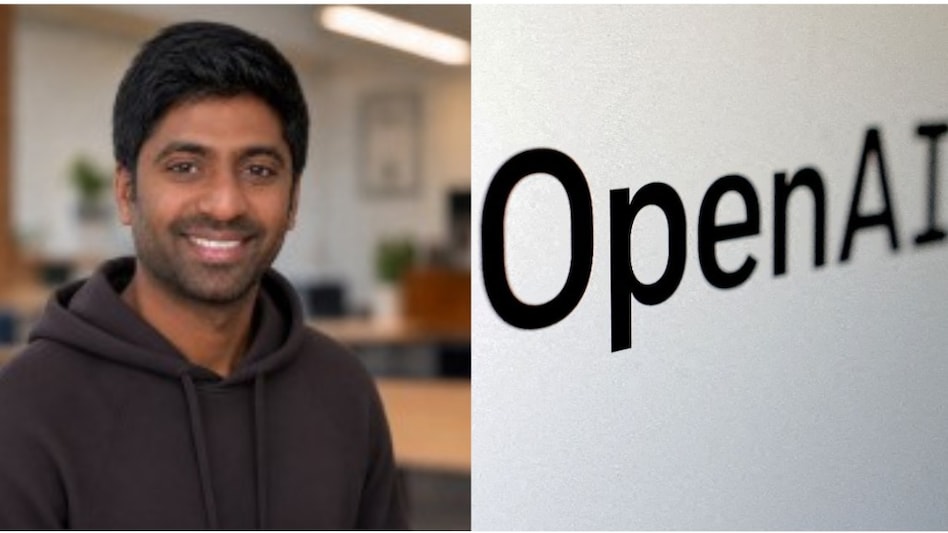
Moonshot AI's Kimi K3 Surges in Popularity, New User Sign-ups Temporarily Halted
Moonshot AI, a prominent player in China's AI landscape, is currently grappling with an overwhelming surge in demand for...
Business Insider | Jul 20, 2026, 04:15EU Pushes for Fair Play in AI Assistants, Sparking Tensions with Google and Apple
In a bold move, the European Commission is challenging tech giants Google and Apple over their dominance in the AI assis...
CNN | Jul 19, 2026, 10:40