Your CEO wants to be a social media influencer. Is it cool or cringy?
In a world where social media can make or break reputations, the experiences of executives like Braden Wallake highlight the complexities of online presence. Wallake, the CEO of HyperSocial, became an internet sensation after sharing an emotional selfie following staff layoffs, earning him the title of the 'Crying CEO.' His post garnered over 57,000 reactions and 10,000 comments, but not all were positive. Critics labeled him as 'manipulative' and accused him of self-indulgence, with some suggesting that his photo would make a perfect dartboard. This incident underscores the ongoing debate about whether a robust social media presence is beneficial for corporate leaders. Increasingly, executives are recognizing that while they can enhance their brand visibility through platforms like LinkedIn, the reality can be far from ideal. Many leaders are discovering that their attempts at relatability can sometimes come off as cringeworthy or disingenuous. According to Ann Mooney Murphy, a professor at Stevens Institute of Technology, while there are advantages to being active online, there are significant risks as well. Nearly 75% of Fortune 500 CEOs had at least one social media account last year, a notable increase from about half in 2019. Furthermore, more than 70% of Fortune 100 CEOs with social media presence were posting monthly in 2024, demonstrating a clear trend towards executive engagement in the digital space. The average CEO now shares content on LinkedIn approximately three times a month, focusing not only on corporate news but increasingly on personal anecdotes that help foster connections with followers. This shift towards sharing personal experiences, whether it’s Meta’s Mark Zuckerberg enjoying a concert or Goldman Sachs’ David Solomon showcasing his DJ gigs, aims to keep audiences engaged. Despite the potential rewards, the pitfalls are evident. Instances like Jason Yanowitz’s controversial post discussing his company’s success while announcing layoffs show how such mistakes can have real-life repercussions. Similarly, a statement by Snowflake’s revenue chief about future earnings led to backlash when the company later distanced itself from the comments. Even high-profile figures like Elon Musk have faced scrutiny for their social media interactions, often leading to legal challenges and public criticism. As executives navigate this landscape, some, like Ryan Benson, argue that the approach taken by many leaders feels disingenuous, as they attempt to communicate with audiences in a manner more akin to influencers. The consequences of missteps can lead to dissatisfaction among stakeholders, investors, and employees, with potential regulatory implications. However, many executives, including Wallake, maintain that the benefits of social media outweigh the risks. Wallake has learned to be more cautious with his posts but still believes in the value of a strong online presence. For others like Yehong Zhu, co-founder of Zette AI, the road has been equally tumultuous. Her attempt to participate in a viral trend resulted in harsh criticism, yet it also attracted significant media attention and increased interest in her company. Zhu now contemplates embracing more provocative content to maintain visibility, recognizing that even negative attention can be a catalyst for conversation and engagement. Ultimately, as the social media landscape continues to evolve, CEOs and executives must strike a careful balance between authenticity and the potential for backlash, learning from both their successes and failures in the digital arena.
Bluesky's Attie Transforms into a Comprehensive Research Tool
Bluesky's AI assistant, Attie, is taking a significant leap forward by evolving into a versatile research tool aimed at ...
TechCrunch | Jul 24, 2026, 15:25
Revolutionizing Interaction: ChatGPT Desktop App Introduces Voice Control
OpenAI has unveiled an exciting update for its ChatGPT desktop application, introducing a voice control feature that ena...
TechCrunch | Jul 24, 2026, 14:00
Tech Giants Unite to Advocate for Open-Weight AI Models Amid Regulatory Concerns
A coalition of major technology companies, including Nvidia, Microsoft, Meta, and Palantir, has issued a call to action ...
CNBC | Jul 24, 2026, 14:30
Midjourney Expands Horizons with Acquisition of Co-Star Astrology App
In a significant move to diversify its offerings, Midjourney, the AI lab renowned for its innovative image and video gen...
TechCrunch | Jul 24, 2026, 15:25
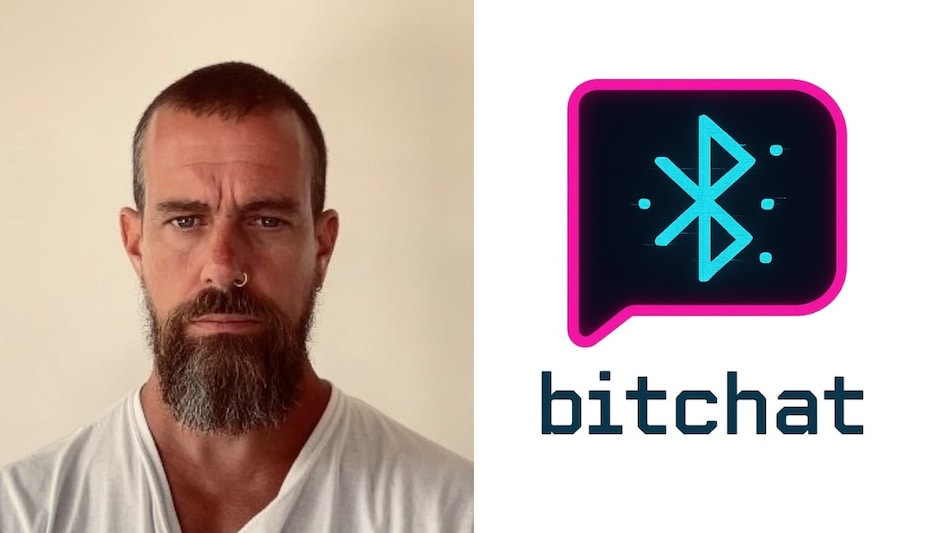
India Takes Action Against Jack Dorsey's Bitchat App Amid Protests
In a significant move, India's cybercrime agency, the Indian Cyber Crime Coordination Centre (I4C), has mandated GitHub ...
Business Today | Jul 24, 2026, 10:25