
The billionaires made a promise — now some want out
In 2010, Warren Buffett and Bill Gates initiated a groundbreaking campaign urging the world's wealthiest individuals to publicly commit to donating a significant portion of their fortunes. This initiative, known as the Giving Pledge, emerged during a time when technology was rapidly generating billionaires, raising critical questions about the societal impact of immense wealth. Buffett highlighted the potential for these fortunes to create a transformative effect, stating, "We’re talking trillions over time." Fast forward to today, and the staggering growth of billionaire wealth is evident. The top 1% of American households now possess nearly as much wealth as the bottom 90% combined, a record concentration according to the Federal Reserve. Globally, the wealth of billionaires has soared by 81% since 2020, totaling an astounding $18.3 trillion, even as one in four people worldwide struggle to secure daily meals. As a result, a select group of ultra-wealthy individuals is now questioning their commitment to this voluntary pledge. The New York Times reported a notable decline in participation in the Giving Pledge: Initially, 113 families joined in its first five years, but that number dwindled to just four in 2024. High-profile signatories include Sam Altman, Mark Zuckerberg, and Elon Musk, yet the enthusiasm for such commitments appears to be waning, with Peter Thiel describing the Pledge as a group that has "run out of energy." The narrative surrounding altruism in Silicon Valley has been increasingly scrutinized. A notable cultural commentary came in 2016 from the HBO series "Silicon Valley," which critiqued the industry's self-proclaimed mission to "make the world a better place" while pursuing profit. This satirical portrayal reportedly influenced corporate behaviors, prompting some tech companies to abandon the phrase in their public relations efforts. Amid these discussions, investor Roger McNamee observed a shift in values within Silicon Valley, contrasting the idealism of earlier tech leaders with the more profit-driven mindset of the current generation. Thiel, who has never signed the Pledge, has recently encouraged those who have to reconsider their commitments, suggesting that many feel "blackmailed" by public expectations regarding their charitable promises. While some prominent figures like Elon Musk and Mark Zuckerberg remain visible, their philanthropic strategies are evolving. Following job cuts at the Chan Zuckerberg Initiative, Zuckerberg indicated a shift in focus towards biological research rather than broad social initiatives. Meanwhile, Gates has pledged to donate nearly all his wealth through his foundation in the coming decades, reiterating his commitment to philanthropy. This ongoing debate reflects a broader societal challenge. The historical context of wealth concentration echoes past periods of significant inequality, which were often addressed through policy reforms rather than voluntary philanthropy. As billionaires amass wealth at unprecedented rates, discussions about their obligations to society are becoming increasingly relevant, highlighting the complexities of wealth distribution in today's world.
Flipkart Enters the Food Delivery Arena, Challenging Major Competitors
Walmart's e-commerce powerhouse, Flipkart, is gearing up to launch its own food delivery platform, igniting competition ...
Business Today | Jul 24, 2026, 07:15
Ashneer Grover Unveils Innovative Loan Guarantee Platform for Employees
Ashneer Grover, the former MD and co-founder of BharatPe, has made waves with the announcement of his new fintech initia...
Business Today | Jul 24, 2026, 05:55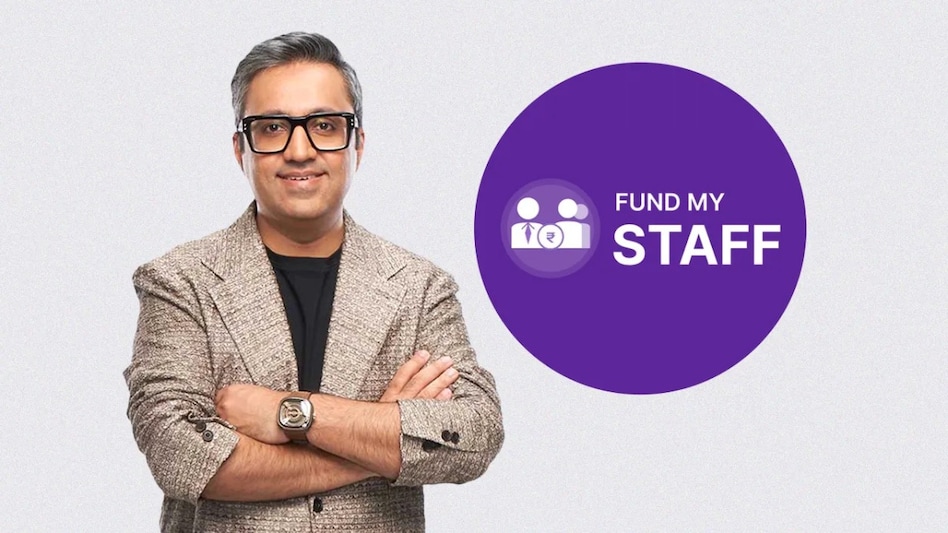
Global Leaders Unite to Promote Secure Open-Source AI at APEC Summit
In a significant development at the recent APEC summit in Chengdu, China, member nations, including the United States, e...
CNBC | Jul 24, 2026, 02:45
Blinkit Rises to Challenge Amazon in E-Commerce Landscape
In an impressive leap forward, Blinkit has significantly increased its operational scale, with the cost to establish a s...
Business Today | Jul 24, 2026, 09:35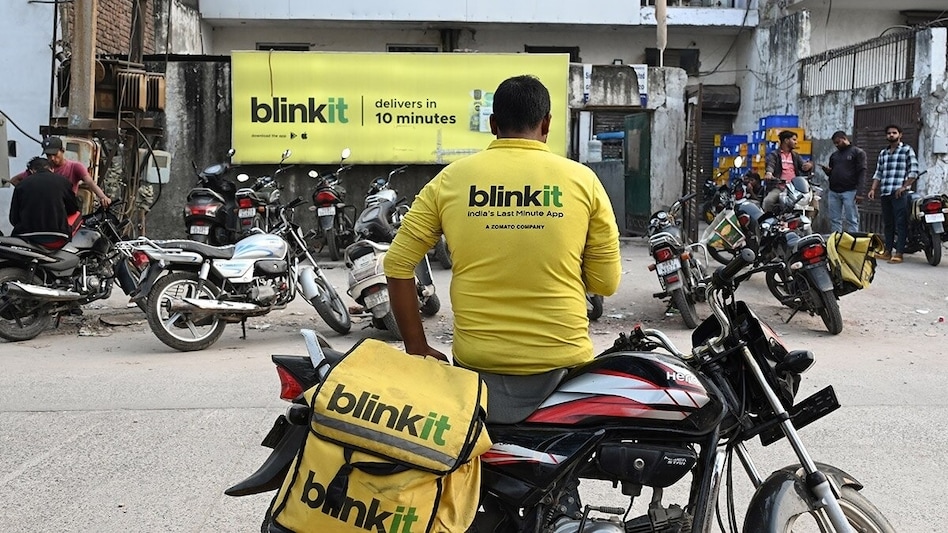
Elon Musk's Ambitious Leap: Can Tesla's Optimus Robot Revolutionize Work and Life?
Elon Musk has transformed Tesla into a leading automotive giant, but now he is staking the company's future on a groundb...
Business Insider | Jul 24, 2026, 09:10