Everything we know about how Wall Street banks are embracing AI
Wall Street is undergoing a significant transformation as major banks increasingly embrace artificial intelligence. From trading floors to administrative offices, firms are integrating generative AI into their operations, reshaping not only workflows but also workplace culture. The surge in AI adoption was notably accelerated by the emergence of ChatGPT in late 2022, prompting banks to rethink roles, particularly for software engineers and junior bankers, while exploring the deployment of autonomous AI agents. According to consulting firm ThoughtLinks, AI is expected to redefine 44% of the tasks performed by banks by 2030. However, this rapid evolution brings with it new challenges, particularly in the realm of cybersecurity. Bank leaders are voicing concerns about the growing threat of AI-powered cyberattacks, a worry echoed by OpenAI CEO Sam Altman. As banks strive to enhance productivity through AI-driven solutions, they are also navigating the complexities of ensuring a return on their investments. JPMorgan Chase is at the forefront of this AI revolution, allocating an impressive $18 billion to technology, much of which is focused on becoming a leader in AI. CEO Jamie Dimon has become a prominent advocate for the bank’s generative AI tools, which have already been rolled out to over 200,000 employees, including private bankers who were among the first to utilize the generative AI “copilot.” With approximately 100 additional tools in the development pipeline, JPMorgan aims to optimize workflows across various roles, from coders to portfolio managers. During its recent Investor Day, executives showcased how these initiatives are yielding tangible results. Citigroup is also making significant strides under new leadership, with CEO Jane Fraser spearheading efforts to modernize the bank. In a recent memo, the newly appointed strategy leaders detailed the firm's AI ambitions, including a four-phased strategy articulated by top tech executive Shadman Zafar, which promises to transform operations for decades to come. At Goldman Sachs, the enthusiasm for AI is palpable among top executives, including CEO David Solomon, who are eager to harness AI to boost productivity and attract clients looking to capitalize on AI advancements. The importance of data is underscored by chief data officer Neema Raphael, who leads a 500-person team dedicated to optimizing data utilization across the bank. Morgan Stanley is also leveraging AI to reshape its wealth management division, with a focus on turning employee ideas into actionable solutions. This initiative is enhanced by a partnership with OpenAI, allowing the firm to rapidly expand its AI capabilities. Meanwhile, Bank of America is utilizing an internal AI assistant to streamline the collection and management of client data, significantly improving employee efficiency. As these banks continue to integrate AI into their operations, the cultural shifts required for full adoption will be critical in determining their success in this new landscape.
Nvidia's Jensen Huang Calls for a More Balanced AI Narrative Amid Growing Public Concerns
In a recent interview, Nvidia's CEO Jensen Huang urged leaders in the artificial intelligence sector to adopt a more con...
Business Insider | Jul 24, 2026, 09:50China's Memory Chip Giant CXMT Set to Challenge Market Dynamics with Major IPO
ChangXin Memory Technologies (CXMT), China's leading memory chip manufacturer, is preparing for a significant public lis...
CNBC | Jul 24, 2026, 02:15
Australia Gears Up for Startup Showdown: Meet the Judges Who Will Shape the Future
The excitement is building as TechCrunch Startup Battlefield makes its way to Australia, in collaboration with Stripe, t...
TechCrunch | Jul 24, 2026, 24:30
Elon Musk's Ambitious Leap: Can Tesla's Optimus Robot Revolutionize Work and Life?
Elon Musk has transformed Tesla into a leading automotive giant, but now he is staking the company's future on a groundb...
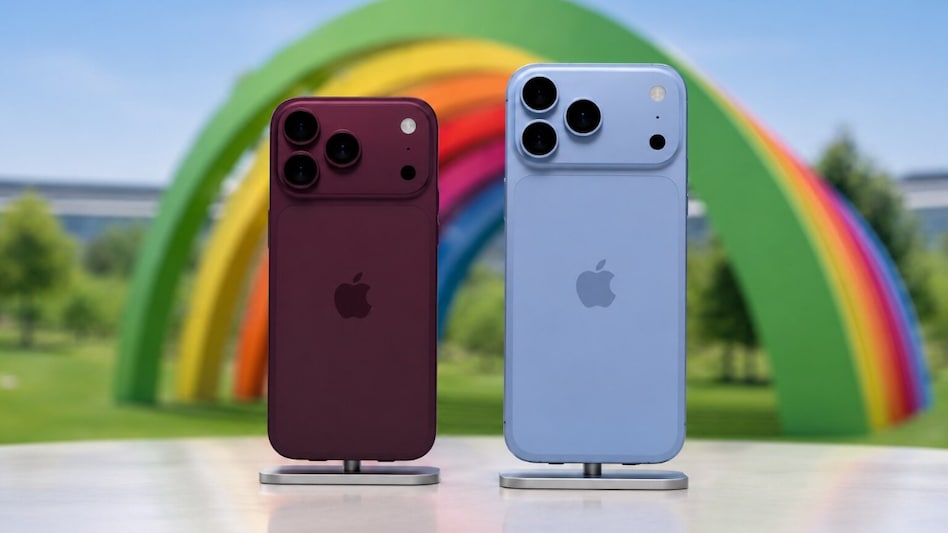
Business Insider | Jul 24, 2026, 09:10Why the iPhone 17 is the Smart Choice Ahead of the iPhone 18 Launch
As Apple gears up for the release of its latest iPhone models, including the iPhone 18 Pro and the first foldable varian...
Business Today | Jul 24, 2026, 09:35