Trump administration permits Volvo to keep selling connected cars in the US
Volvo Cars has successfully negotiated with the Trump administration to avoid restrictions that would have hampered its ability to sell connected vehicles in the United States. The Swedish automaker, which is predominantly owned by China’s Geely Holding, announced on Tuesday that it received a special authorization from the U.S. Department of Commerce. This approval allows Volvo to continue importing and selling cars equipped with Chinese-connected vehicle technology, which encompasses features like smartphone integration and various automated driving functionalities. This development comes in light of new regulations enacted by the Biden administration in January 2025, which sought to restrict vehicles equipped with technology developed by Chinese firms due to national security concerns. Starting with the 2027 model year, vehicles featuring Chinese-developed software would be banned, and a further prohibition on importing connected hardware is set to take effect for the 2030 model year. Most of Volvo's vehicles are manufactured in Sweden, with the notable exception of the EX90, which is produced in South Carolina. However, due to its connections with Geely and its manufacturing activities in China, the company faced potential bans under the recent regulations. In light of this, Volvo expressed that the approval was reached after “constructive discussions” with U.S. officials regarding its governance, technology, and data security protocols. This green light is crucial for Volvo, as it paves the way for the company to advance its growth strategy in the U.S. market. In September 2025, Volvo revealed plans to begin production of two additional models — the XC60 midsize SUV and a new hybrid vehicle — at its South Carolina facility. Additionally, the automaker announced that all production of the Polestar 3, an electric vehicle from its sister company, would also shift to the U.S. factory, although the model is currently produced in Chengdu, China. The regulation, termed “Securing the Information and Communications Technology and Services Supply Chain: Connected Vehicles,” emphasizes the risks associated with automated driving systems that are connected to companies with Chinese affiliations. Consequently, Chinese firms are barred from testing autonomous vehicles within the United States. Despite these restrictions, several companies, including Baidu’s Apollo Autonomous Driving LLC, Pony.ai, and WeRide, currently hold permits to test their autonomous vehicle technologies in California, where they still operate under safety protocols. As the landscape of automotive technology continues to evolve, Volvo's recent approval marks a significant milestone, ensuring its continued presence in the competitive U.S. market while navigating complex regulatory challenges.
Vivo Set to Unveil Budget-Friendly X300 E with Impressive Specs Next Week
Vivo is gearing up to introduce the X300 E, a new addition to its flagship X300 series, with a launch scheduled for July...
Business Today | Jul 21, 2026, 07:45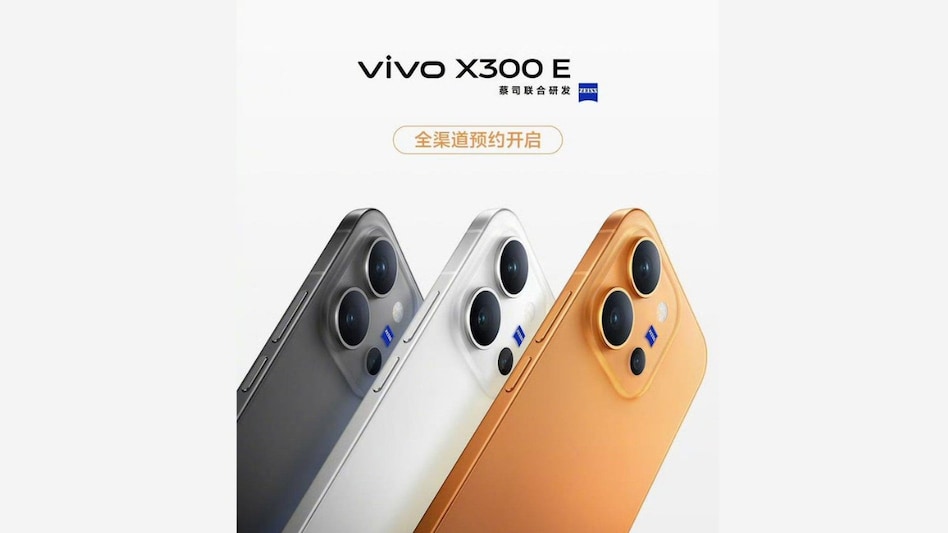
Navigating Market Turbulence: Cramer Urges Caution in Tech Investments
In a recent discussion, CNBC's Jim Cramer expressed concerns about the current state of the artificial intelligence mark...
CNBC | Jul 20, 2026, 22:35
Streamlining AI: Major Update to the Model Context Protocol Simplifies Operations
The Model Context Protocol (MCP) serves as a crucial foundation for AI interoperability, enabling AI models to securely ...
TechCrunch | Jul 20, 2026, 21:15
OpenAI's Ambitious Advertising Aspirations: Can ChatGPT Compete with Giants?
OpenAI is navigating a challenging landscape as it seeks to carve out a niche in the advertising realm through its popul...
Business Insider | Jul 21, 2026, 09:10Google's New Fitbit Air Set to Hit Indian Market Soon
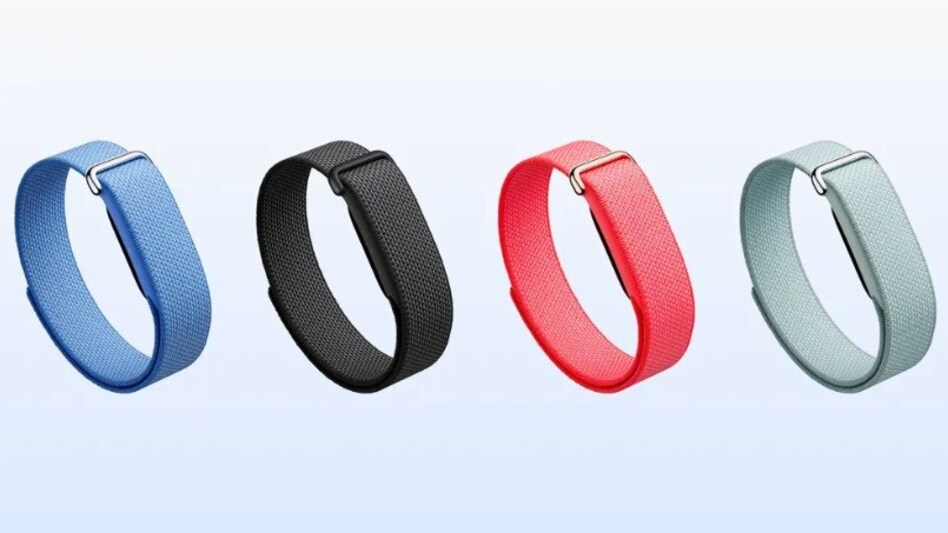
The Google Fitbit Air, a buzzworthy health and fitness tracker, is gearing up for its launch in India following its glob...
Business Today | Jul 21, 2026, 06:50