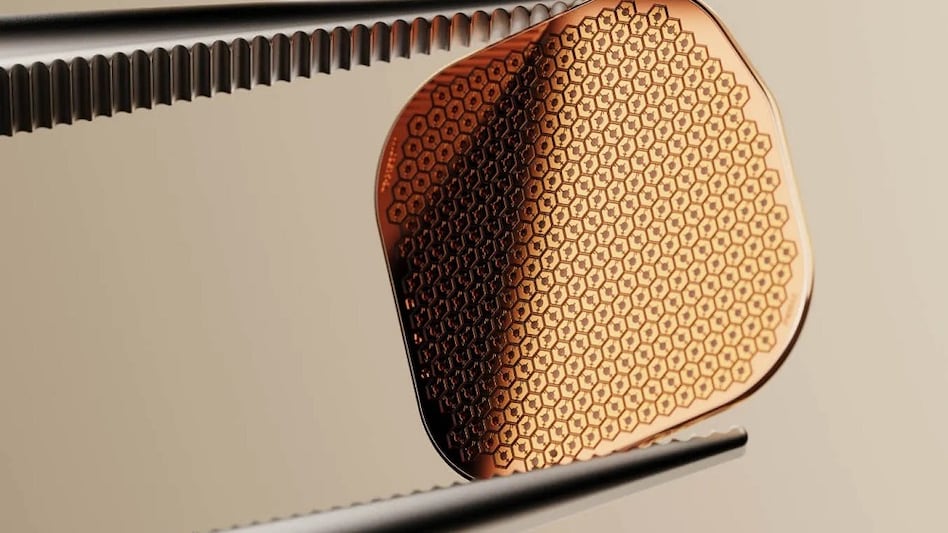
Retina chip restoring partial sight enters Europe as US startup nears commercial neurotech
Science Corp is poised to introduce a revolutionary retina chip in Europe, designed to restore partial vision for individuals suffering from advanced age-related blindness. This significant development marks an ambitious expansion for the startup, which aims to advance beyond eye implants and delve into brain-based technologies, according to a report by Bloomberg. The Prima implant, developed by the Alameda, California-based company, is notable for being the first device from a US brain implant firm to be made widely accessible to patients. This innovative chip is implanted at the rear of the eye, working in conjunction with specialized glasses to aid users in regaining limited sight. Chief Executive Officer Max Hodak expressed optimism about this launch, stating, "This is the first in hopefully a long series of commercial products that proceed to advance that horizon, sometimes incrementally, but relentlessly." With the CE mark now secured, the Prima implant will be available throughout Europe without the need for additional country-specific approvals. Science Corp anticipates performing its first commercial implantation in August, likely in Germany, with plans to treat dozens of patients this year and around 200 in the following year. The device targets patients suffering from geographic atrophy due to advanced age-related macular degeneration, a condition that severely impacts central vision. Although current treatments can slow disease progression, effective cures are still lacking. According to Hodak, hundreds of thousands of individuals in Europe could be eligible for this groundbreaking treatment. A study published in the New England Journal of Medicine last year demonstrated that the device improved vision in 26 out of 32 patients with advanced age-related macular degeneration, enabling them to recognize letters, numbers, and words. In addition to the retina chip, Science Corp is pursuing broader initiatives within the neurotechnology field, including devices designed to interface directly with brain tissue through engineered neurons. The company has successfully raised $489 million and reached a valuation of $1.5 billion, positioning it among the most valuable brain implant startups in the US, following Elon Musk’s Neuralink. As global investment in brain-computer interface technologies surges, both government and private sectors are increasingly backing these advancements. Notably, China has made this field a national priority, approving its first commercial brain-computer interface earlier this year. Furthermore, Science Corp is actively seeking approval in the US and aims to bring the device to the American market next year. The US Food and Drug Administration has permitted the company to explore a humanitarian device exemption pathway, designed for products that address rare medical conditions, providing a streamlined approval process. For Science Corp, the retina implant signifies a pivotal commercial achievement in its broader mission to develop technologies that connect humans and machines, with Hodak reiterating the potential for future advancements in this innovative field.
Finland Unveils World's Largest Sand Battery to Tackle Renewable Energy Challenges
In a groundbreaking move to address the critical issue of renewable energy intermittency, a small town in southern Finla...
CNBC | Jul 25, 2026, 05:35
Unleashing the Power of AI: The 5 Smartphones Redefining Mobile Photography
Artificial Intelligence (AI) is transforming our daily experiences, permeating various aspects of technology, including ...
Business Today | Jul 26, 2026, 07:05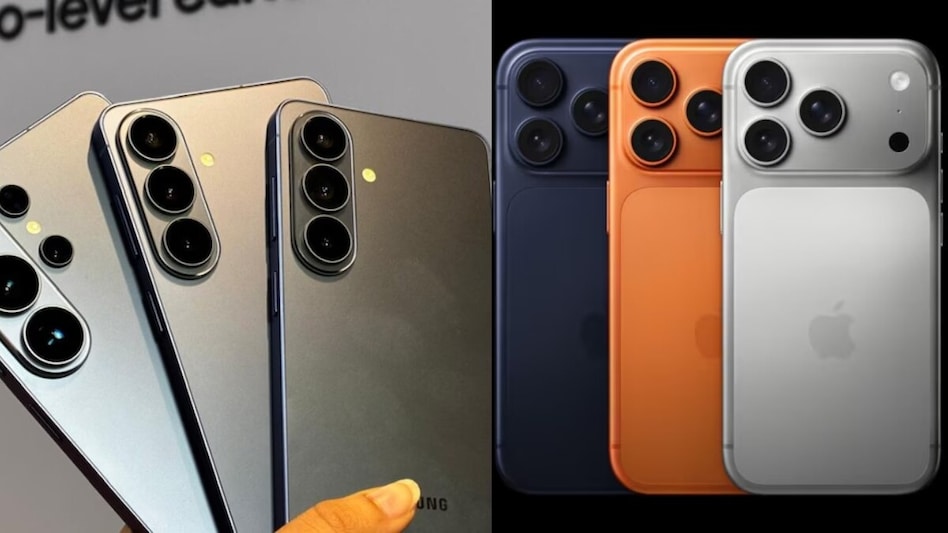
Crisis Averted: Power Line Failure Highlights Urgent Need for Data Center Resilience
A power line failure near Washington, DC, recently showcased a significant challenge faced by the electrical grid due to...
TechCrunch | Jul 25, 2026, 13:50
The Aluminum Foil Trend: A DIY Shield Against Wireless Identity Theft
Have you noticed an unusual trend where people are wrapping their wallets in aluminum foil? This peculiar practice has e...
Business Today | Jul 25, 2026, 02:45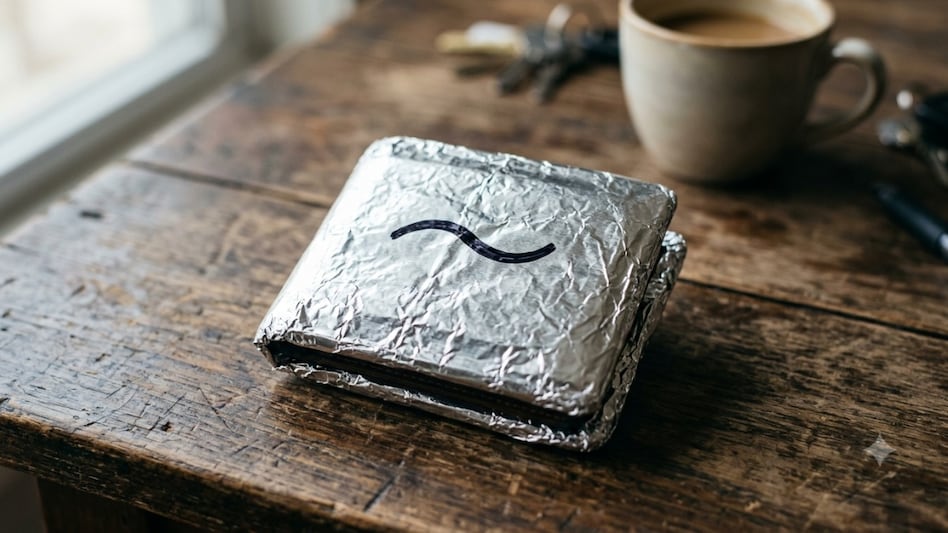
The Boring Company Eyes $4 Billion Funding Boost Amid Expanding Tunnel Ventures
Elon Musk's tunneling enterprise, The Boring Company, is reportedly negotiating a substantial funding round of $4 billio...
TechCrunch | Jul 25, 2026, 19:50