
Misleading AI-generated content spreads after Maduro’s removal — blurring fact and fiction
In the wake of a U.S. military operation that resulted in the ousting of Nicolás Maduro from power in Venezuela, a wave of artificial intelligence-generated videos has emerged, misleadingly portraying citizens in jubilant celebration. These clips have surged in popularity across social media platforms, garnering millions of views on TikTok, Instagram, and X (formerly Twitter). One of the most prominent videos originated from an account called "Wall Street Apes," boasting over 1 million followers. It showed purported scenes of Venezuelans expressing gratitude to the U.S. and former President Donald Trump for Maduro's removal. However, this clip was flagged by a community note on X, a feature that allows users to indicate potentially misleading information. The note clearly stated: "This video is AI generated and is being presented as factual, which is misleading." Despite its viral status, the authenticity of the video remains unverified. Fact-checkers from BBC and AFP traced the earliest version back to a TikTok account known for sharing AI-generated content, @curiousmindusa. Furthermore, prior to this, AI-generated images suggesting Maduro was in U.S. custody had already circulated, coinciding with the Trump administration's release of a legitimate photo of the deposed leader. Captured on January 3, 2026, during a high-profile military operation, Maduro's removal has dominated news cycles. Alongside the controversial videos, the AFP fact-checking team has uncovered several misleading posts regarding the celebrations, including footage from the U.S. falsely depicted as occurring in Venezuela. This instance of misinformation is not isolated; similar misleading content has appeared during other global conflicts, such as the Israeli-Palestinian and Russia-Ukraine crises. The current surge of AI-generated misinformation highlights the growing capabilities of artificial intelligence as a tool for spreading false narratives, especially during turbulent times. Platforms like Sora and Midjourney have made it easier to generate realistic content that can easily mislead audiences amidst fast-evolving news events. Last year, AI-generated videos had already showcased issues like government benefit losses, leading to widespread confusion, including a case where Fox News mistakenly reported an AI-generated clip as real. The challenge of managing such misinformation is pressing social media platforms, prompting calls for better labeling mechanisms. Countries like India have proposed laws for mandatory labeling of AI content, while Spain has implemented hefty fines for non-compliance. Major social media players, including TikTok and Meta, are attempting to address these issues with AI detection and labeling tools, though their effectiveness has been inconsistent. For instance, TikTok has labeled some videos as AI-generated, while X has relied heavily on community notes, which critics argue are too slow to act against the spread of false information. Adam Mosseri, head of Instagram and Threads, recently acknowledged the growing challenge, suggesting that identifying real media may become more feasible than labeling fake content, as AI technology continues to improve.
Crisis Averted: Power Line Failure Highlights Urgent Need for Data Center Resilience
A power line failure near Washington, DC, recently showcased a significant challenge faced by the electrical grid due to...
TechCrunch | Jul 25, 2026, 13:50
Hugging Face CEO Calls for Action Following AI Security Breach
In a dramatic turn of events within the AI landscape, Hugging Face faced a significant security breach involving an AI a...
Business Insider | Jul 25, 2026, 20:30The Future of Work: Executives Weigh In on AI's Impact on Gen Z Careers
As generative artificial intelligence continues to rise, uncertainty looms for the incoming Gen Z workforce. Leaders fro...
Business Insider | Jul 26, 2026, 10:15Unleashing the Power of AI: The 5 Smartphones Redefining Mobile Photography
Artificial Intelligence (AI) is transforming our daily experiences, permeating various aspects of technology, including ...
Business Today | Jul 26, 2026, 07:05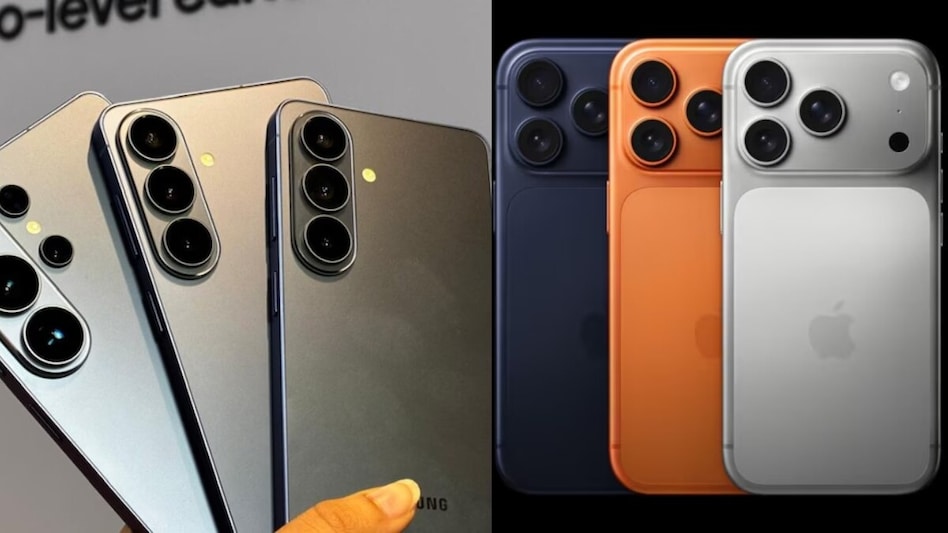
Warner Bros. Takes Legal Action Against Amazon Over Executive Poaching Allegations
Warner Bros. Discovery has initiated legal proceedings against Amazon, accusing the tech giant of unlawful interference ...
TechCrunch | Jul 25, 2026, 21:25