
Vint Cerf is working on a plan to unleash AI agents on the open internet
Vint Cerf, a key figure in developing the foundational protocols of the internet, is embarking on a new journey after his recent departure from Google, where he had a notable two-decade tenure. He is now lending his expertise to Innovation Labs, an organization focused on establishing an open architecture for AI agents that would enable them to identify themselves in the digital realm. Innovation Labs operates under the umbrella of Identity Digital, a DNS registry company that envisions using domain-name infrastructure to hold AI agents accountable. This initiative aims to prepare for a future where interactions on the internet increasingly occur between agents rather than humans. Currently, most AI agents operate within closed systems, relying on internal resources for specific tasks. However, businesses are already imagining a future where these agents function autonomously across the internet, engaging directly with one another. A significant hurdle lies in the absence of a universal standard for identifying and auditing these agents. To address this challenge, Innovation Labs has proposed the DNSid system, which would serve as a registry for agent identification, linking each agent to an existing internet domain name and utilizing cryptographic proofs to document its registration history. Allie Kline, the interim CEO of Innovation Labs, revealed that they are testing these standards with several unnamed major tech companies and identity providers. Cerf expressed his enthusiasm for contributing during such a crucial phase where naming and identification are gaining importance. He highlighted the complexities surrounding AI agents, particularly regarding their authorities, accountability, and trustworthiness. "It's going to be a fascinating — and at times potentially frustrating — evolution of the internet, given the immense power these functionalities hold," Cerf stated. As multiple solutions are being explored, Cerf emphasized that the practical functionality of any adopted protocol will be crucial for widespread acceptance. He noted, "If different companies use different technologies for their agents, interoperability becomes a challenge. Users will drive the demand for solutions, similar to the evolution of TCP/IP." Importantly, Innovation Labs’ proposal does not include plans for other AI ventures or ownership of registration data, addressing concerns about proprietary control. Cerf remains cautious about the future of an agent-driven economy, suggesting that while it may not be an inevitable outcome, the pursuit of such advancements is likely. "Human nature tends toward convenience, and if we can automate tasks through agents, many will opt for that ease," he concluded.
Unleashing the Power of AI: The 5 Smartphones Redefining Mobile Photography
Artificial Intelligence (AI) is transforming our daily experiences, permeating various aspects of technology, including ...
Business Today | Jul 26, 2026, 07:05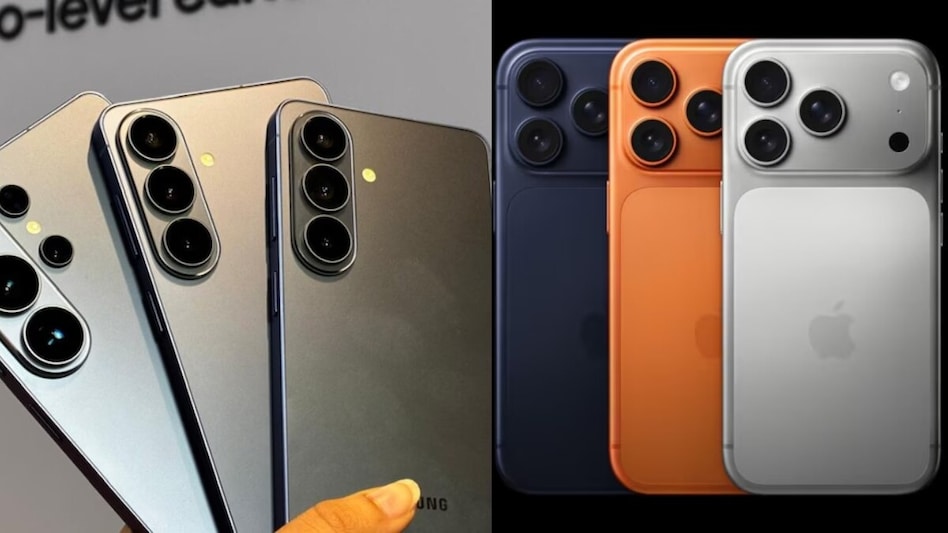
OpenAI's Micro Keypad: A Novelty for Coders or Just a Confounding Gadget?
Last week, OpenAI made its debut in the hardware landscape with the launch of Micro, a stylish keypad designed to integr...
TechCrunch | Jul 25, 2026, 24:40
The Future of Work: Executives Weigh In on AI's Impact on Gen Z Careers
As generative artificial intelligence continues to rise, uncertainty looms for the incoming Gen Z workforce. Leaders fro...
Business Insider | Jul 26, 2026, 10:15Warner Bros. Takes Legal Action Against Amazon Over Executive Poaching Allegations
Warner Bros. Discovery has initiated legal proceedings against Amazon, accusing the tech giant of unlawful interference ...
TechCrunch | Jul 25, 2026, 21:25
Finland Unveils World's Largest Sand Battery to Tackle Renewable Energy Challenges
In a groundbreaking move to address the critical issue of renewable energy intermittency, a small town in southern Finla...
CNBC | Jul 25, 2026, 05:35