
Mercor’s Brendan Foody calls out Sequoia over ‘dual-pricing’ valuation tricks
In a recent wave of social media discussions, founders and former entrepreneurs have shared unsettling experiences with venture capitalists (VCs), ranging from inattentive investors during pitch meetings to suggestions of firing co-founders. Brendan Foody, co-founder of the AI talent platform Mercor, which boasts a valuation of $10 billion, has been particularly vocal, directly addressing Sequoia, one of the most prestigious VC firms globally. Foody labeled what he termed the "Sequoia scam" as more than just a single instance of misconduct. He highlighted a troubling trend he has observed over the past six months, where Sequoia appears to invest in multiple rounds at different valuations. According to Foody, this leads to confusion among founders who may misrepresent these valuations to employees and potential investors. This dual-pricing strategy, where the lead VC invests a significant amount at a lower valuation while contributing a smaller sum at a higher price, raises questions about market perceptions. For instance, when the AI startup Serval announced a $75 million Series B funding round at a $1 billion valuation, the reality was quite different. Reports indicated that Sequoia's entry point was actually valued at just $400 million, underlining the disparity between public perception and the actual financial arrangement. Moreover, Serval is not an isolated case. Another startup, Aaru, received backing from lead investor Redpoint at a $450 million valuation, even though the round was publicly announced at a $1 billion valuation. In response to Foody's claims, Sequoia’s Shaun Maguire defended the firm, suggesting that the practice is a reflection of market realities rather than deceptive tactics. He explained that the high valuations paid by other investors for hot companies, particularly in the AI sector, often necessitate different pricing structures. Maguire emphasized that he has observed such practices only a handful of times during his tenure at Sequoia, stating, "It doesn’t make sense for us to mislead people in a repeated game like VC." He acknowledged the complexity of conveying accurate valuations to founders and employees, which raises concerns about transparency in the investment process. While Foody’s criticism spotlights a potentially misleading practice, he also conceded that Sequoia isn’t the only firm employing such strategies. Dual-pricing can inflate perceived startup valuations, which may attract top talent, but the term "scam" might be an overreach. According to Jason Woo, a partner at Armanino who specializes in valuation, employee stock options should ideally reflect the blended value of all funding tranches rather than just the headline figure. However, the situation becomes murkier for angel investors who face no independent appraiser to verify the valuations provided by founders. This dual-pricing tactic contributes to a broader narrative of how VCs and startups can manipulate the perception of success in a fiercely competitive environment. As the conversation around transparency in venture capital continues, it remains to be seen how these practices will evolve and whether they will lead to lasting changes in the industry.
Prentis: Ambitious New AI Lab Eyes $100 Million Funding with Innovative Automation Goals
Prentis, a cutting-edge AI research laboratory co-founded by Ritankar Das, Reid Hoffman, and Marc Pincus, is currently i...
TechCrunch | Jul 24, 2026, 22:45
Crisis Averted: Power Line Failure Highlights Urgent Need for Data Center Resilience
A power line failure near Washington, DC, recently showcased a significant challenge faced by the electrical grid due to...
TechCrunch | Jul 25, 2026, 13:50
Vietnam's Controversial Social Media Proposal: A New Approach for Youth Engagement
Vietnam is contemplating a distinctive approach to youth social media regulations, diverging from the more common outrig...
TechCrunch | Jul 24, 2026, 21:25
The Aluminum Foil Trend: A DIY Shield Against Wireless Identity Theft
Have you noticed an unusual trend where people are wrapping their wallets in aluminum foil? This peculiar practice has e...
Business Today | Jul 25, 2026, 02:45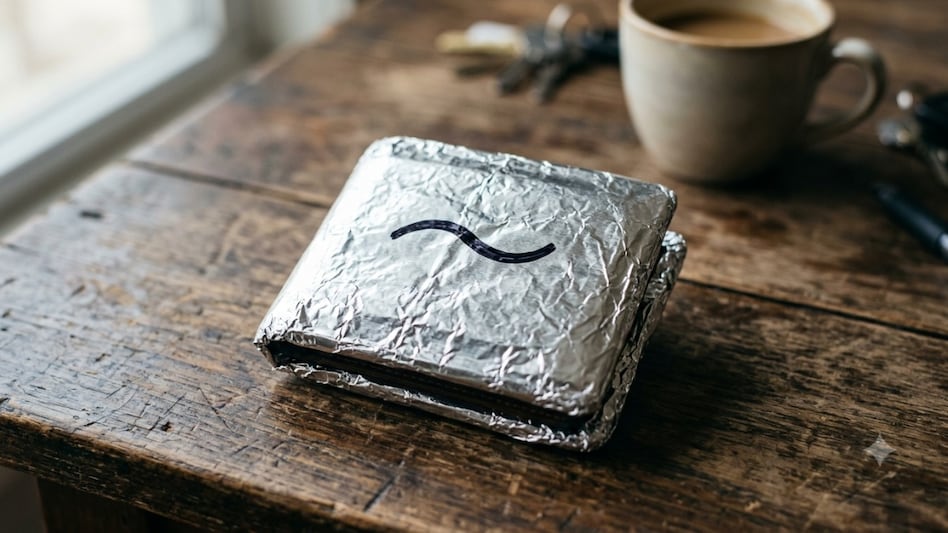
Volkswagen Engineers Indicted for Insider Trading Linked to Rivian Partnership
In a significant legal development, the U.S. Department of Justice has brought securities fraud charges against two engi...
TechCrunch | Jul 24, 2026, 20:30