The RAMpocalypse has bought Microsoft valuable time in the fight against SteamOS
Valve's SteamOS has made significant strides in disrupting Microsoft's long-standing dominance in the PC gaming market, a feat that has eluded many competitors, including tech giant Apple. While Windows still claims over 92 percent of users in the Steam Hardware Survey, this figure has seen a decline from just over 96 percent five years ago and has remained relatively stagnant for nearly two decades. In the past two years, Linux's share of the gaming market has risen from below 1 percent to more than 5 percent, a noteworthy shift, albeit still modest. This increase is partly driven by the success of SteamOS, although exact statistics for Valve’s operating system are not available. The base distribution for SteamOS, Arch, contributes around 0.33 percent of that 5 percent share. Valve's approach has been innovative. Instead of pressuring game developers to create native Linux ports, the company has focused on making Windows games operational on Linux systems. This strategy, driven by positive word-of-mouth, has proven far more effective than Valve's earlier attempts to directly challenge Windows in the early 2010s. One year ago, Valve appeared to be on the brink of further success. SteamOS secured official support for various third-party gaming handhelds, and manufacturers began releasing devices with SteamOS pre-installed instead of Windows. Developers were also testing games for compatibility with SteamOS, broadening its appeal. In a bold move, Valve introduced the Steam Machine, aiming to compete with both game consoles and budget-friendly gaming PCs. Meanwhile, Microsoft struggled to respond effectively. Windows handheld devices often relied on cumbersome third-party software to mimic the user-friendly interface of the Steam Deck, while Microsoft’s own attempts to launch a comparable interface came years after the Steam Deck's debut. Adding to Microsoft’s challenges, the transition from Windows 10 to Windows 11 has been met with skepticism from users, who cite the new operating system's frustrating features and increased hardware requirements. In a landscape where users are already contemplating software changes or hardware upgrades, there is a real possibility they might choose alternatives over sticking with the latest version of Windows.
Nvidia Strikes Major Deal with SK Hynix to Secure AI Memory Supply
Nvidia has successfully forged a significant partnership with South Korea's SK Hynix to secure memory supplies essential...
CNBC | Jul 25, 2026, 05:15
The Future of Work: Executives Weigh In on AI's Impact on Gen Z Careers
As generative artificial intelligence continues to rise, uncertainty looms for the incoming Gen Z workforce. Leaders fro...
Business Insider | Jul 26, 2026, 10:15Market Turbulence: Four Key Factors Impacting Stocks This Week
This past week has been challenging for the stock market, driven by several significant forces that have created turbule...
CNBC | Jul 25, 2026, 20:05
Navigating the AI Landscape: Insights from a Former OpenAI Intern
As the demand for expertise in artificial intelligence surges, many are seeking ways to break into this dynamic field. H...
Business Insider | Jul 26, 2026, 10:10The Aluminum Foil Trend: A DIY Shield Against Wireless Identity Theft
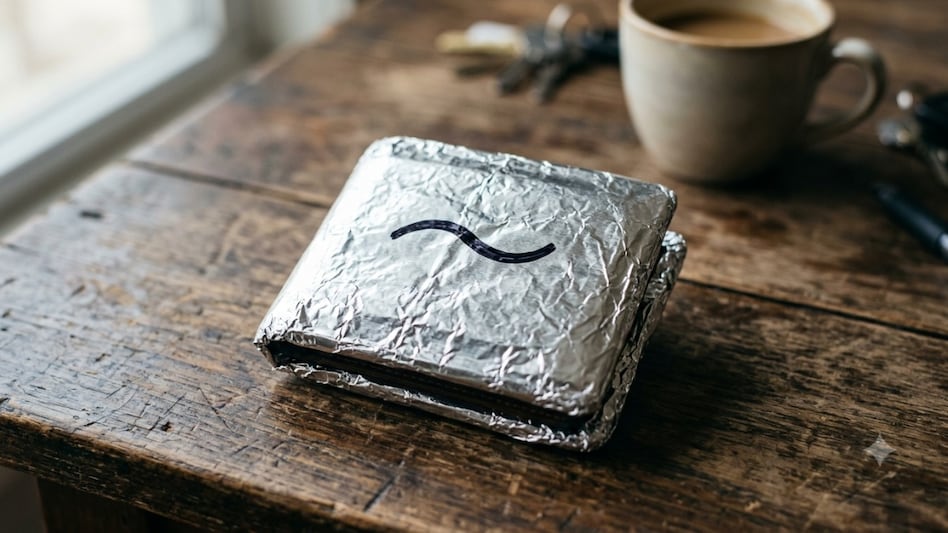
Have you noticed an unusual trend where people are wrapping their wallets in aluminum foil? This peculiar practice has e...
Business Today | Jul 25, 2026, 02:45