Anthropic outlines how the US could gain a 1-2 year AI lead on China
Anthropic has emphasized the urgent need for the United States to reinforce its position in artificial intelligence, suggesting that decisive actions could secure a lead of one to two years over China. In a detailed post released recently, the organization presented two potential scenarios for the AI landscape by 2028: one in which the US tightens restrictions on Chinese access to American AI computing resources, and another where such access is not curtailed. The firm pointed out that China is rapidly narrowing the AI gap due to relaxed chip export regulations and tactics like distillation attacks, where a sophisticated AI model is used to train a smaller, less capable 'student' model. Anthropic warned that if the US and its allies take immediate steps to tackle these challenges, it may be feasible to secure a lead of 12 to 24 months in cutting-edge AI capabilities. However, they cautioned that this opportunity might not last long. Gaining a competitive advantage in AI is critical for ensuring the technology's safety, the company stressed. They noted that a tight race between AI labs in the US and China could hinder effective safety and governance initiatives. Increased competition may pressure AI developers in both nations to launch new models more quickly, often at the expense of thorough safety testing. To bolster its position, Anthropic is calling for significant policy reforms, including enhanced chip export controls, increased funding for enforcement, and measures to combat distillation attacks by Chinese AI entities. In reference to the Chinese Communist Party (CCP), they stated, "Our past success means that our present task is largely to avoid squandering our advantage: to decide not to make it easier for the CCP to catch up." Earlier this year, Anthropic raised concerns about major Chinese AI firms, namely DeepSeek, MiniMax, and Moonshot AI, allegedly utilizing their Claude model without authorization to further develop their own technologies. The Biden administration has previously enforced export controls on US chips to China, a policy initially set by the Trump administration, which barred companies like Nvidia and AMD from selling their products to Chinese markets. However, a partial reversal last August allowed Nvidia to sell its H200 chips with a 25% tax on sales. Despite Anthropic's claims regarding China's AI progress, some experts, like former ByteDance engineer Zhang Chi, argue that China is actually lagging further behind due to a lack of high-quality training data and access to advanced semiconductor technology. This discussion coincided with a recent meeting between President Trump and Chinese leader Xi Jinping, a significant diplomatic event marking the first US presidential visit to China since 2017, which included notable business figures such as Tesla's Elon Musk and Apple's Tim Cook.
The Aluminum Foil Trend: A DIY Shield Against Wireless Identity Theft
Have you noticed an unusual trend where people are wrapping their wallets in aluminum foil? This peculiar practice has e...
Business Today | Jul 25, 2026, 02:45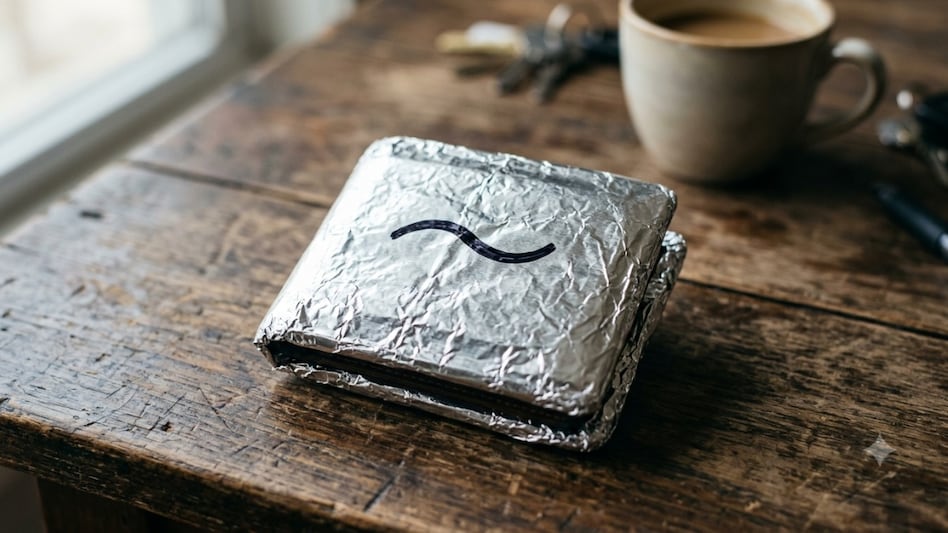
Finland Unveils World's Largest Sand Battery to Tackle Renewable Energy Challenges
In a groundbreaking move to address the critical issue of renewable energy intermittency, a small town in southern Finla...
CNBC | Jul 25, 2026, 05:35
Hugging Face CEO Calls for Action Following AI Security Breach
In a dramatic turn of events within the AI landscape, Hugging Face faced a significant security breach involving an AI a...
Business Insider | Jul 25, 2026, 20:30Reclaiming Control: Librarians Host Workshops to Help People Navigate AI Tools
In a lively library setting in South Philadelphia, Charlie Bailey, a local librarian, humorously noted, "Everybody’s on ...
TechCrunch | Jul 25, 2026, 16:20
SpaceX Successfully Tests Starship Rocket, Launching New Era of Space Exploration
On Friday evening, SpaceX executed a significant milestone by launching its colossal Starship rocket from its facility i...
CNBC | Jul 25, 2026, 24:10