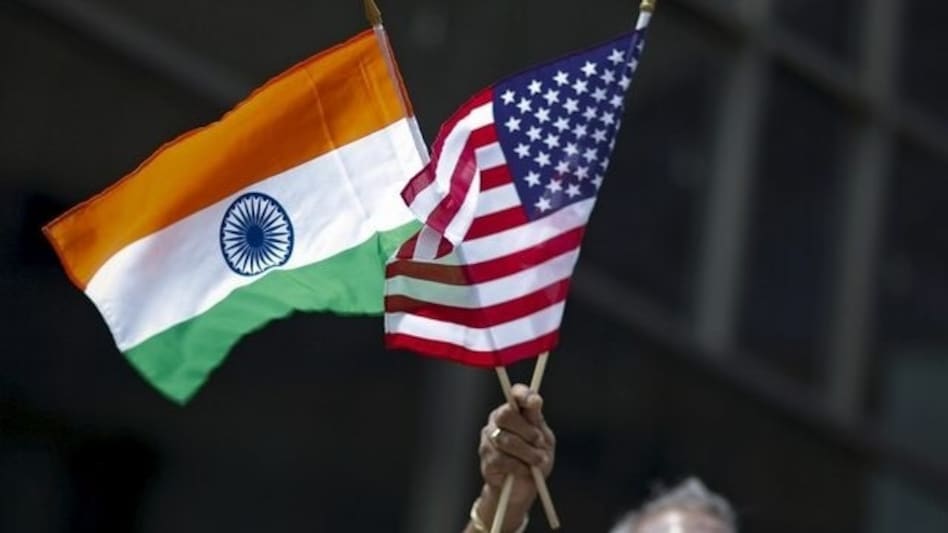
US flags ‘non-level playing field’ in India’s UPI, raises concerns over IT rules and rising takedown orders
The United States has expressed significant concerns regarding India's digital payment environment, labeling it a 'non-level playing field' that may disadvantage global technology companies. In its 2026 National Trade Estimate Report on Foreign Trade Barriers, the Office of the United States Trade Representative (USTR) highlighted various structural issues within India's Unified Payments Interface (UPI) ecosystem, shedding light on regulatory hurdles faced by international digital platforms. The report emphasized that certain informal and formal policies within India's electronic payment services seem to favor local suppliers, thereby creating an uneven competitive landscape. The USTR noted that the National Payments Corporation of India (NPCI), the body behind UPI and RuPay, has instituted barriers that restrict foreign participation. Specifically, the report pointed out the limited opportunities for US firms, stating that they struggle to engage in the UPI ecosystem on an equal footing with RuPay. Additionally, the document brought attention to a proposed 30% market share cap for third-party application providers on UPI, which has been postponed but continues to be a significant concern for foreign businesses. The USTR also criticized India's data localization mandates for financial services, arguing that such regulations hinder service providers' abilities to detect fraud and maintain the security of global networks. On the topic of India's digital regulations, the report addressed the Information Technology (Intermediary Guidelines and Digital Media Ethics Code) Rules, pointing out the considerable compliance burdens they impose. The USTR highlighted issues such as personal criminal liability for individual employees and rigid compliance timelines and takedown protocols. Moreover, US firms have faced an increase in scrutiny, with rising numbers of takedown requests for content and user accounts that appear to be politically motivated. The report acknowledged recent changes to India's takedown framework, which now requires that only senior officials can authorize content removal and mandates clear legal justifications for such actions. These comments from the USTR emerge as India seeks to refine its content takedown processes amidst a backdrop of increasing misinformation and deepfake content. Union IT Minister Ashwini Vaishnaw defended the government's stance, stating that the measures are necessary due to the influx of deepfake materials on social media platforms, which have led to heightened removal efforts.
Legal Battle Erupts Over 'Duress' Password in Groundbreaking Data Wiping Case
The U.S. Justice Department has initiated legal proceedings against a Georgia resident, Samuel Tunick, who is accused of...
TechCrunch | Jul 24, 2026, 18:25
Vietnam's Controversial Social Media Proposal: A New Approach for Youth Engagement
Vietnam is contemplating a distinctive approach to youth social media regulations, diverging from the more common outrig...
TechCrunch | Jul 24, 2026, 21:25
Rising Concerns in Bond Market as AI Investments Surge
Investors are growing increasingly uneasy about the substantial capital required to realize the ambitions of artificial ...
CNBC | Jul 24, 2026, 20:15
Alphabet Takes the Lead in AI Investment Amid Industry Competition
In a bold move that underscores its commitment to artificial intelligence, Alphabet has significantly ramped up its spen...
CNBC | Jul 24, 2026, 19:45
Waymo Considers Parting Ways with Uber Amid Rising Tensions
Waymo is reportedly exploring options to exit its partnership with Uber, which has allowed the Alphabet-owned firm to de...
TechCrunch | Jul 24, 2026, 21:00