Final 2025 data is in: US energy use is up as solar passes hydro
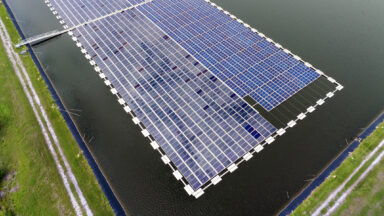
The US Energy Information Administration unveiled its comprehensive report for the year 2026, revealing significant shifts in the nation’s electricity generation landscape. The report highlights both challenges and achievements in energy use across the country. On the downside, total energy demand escalated notably, with a significant portion being satisfied through increased coal consumption. However, in a remarkable turn of events, solar energy continued its impressive trajectory, generating 35 percent more electricity compared to the previous year. This surge allowed solar power to eclipse hydroelectric energy generation for the first time, marking a pivotal moment in the energy sector. Overall, electrical consumption in the United States saw a rise of 2.8 percent, equating to approximately 121 terawatt-hours. This increase is particularly noteworthy given that energy consumption had remained relatively stable for several decades. For instance, demand figures from 2005 and 2020 were strikingly similar. Factors such as heating and cooling requirements, alongside the effects of the global pandemic, contributed to the year-to-year fluctuations. While the uptick in energy demand in 2025 raises some concerns, it does not definitively indicate the onset of long-term growth factors, which include transitions to heat pumps, electrification of transportation, and the expansion of data centers. Although these trends could enhance energy efficiency, they also suggest a shift from fossil fuel use to electric power, potentially placing additional pressure on the power grid. The critical narrative of the year centers on how the increasing demand was addressed. If the rise in demand had been more gradual, the extra 85 terawatt-hours generated by both large-scale and small solar projects would have been more than adequate to meet it. Instead, the growth in utility-scale solar installations only covered about two-thirds of the increased demand, or 73 percent when wind energy is factored in. With no new nuclear energy facilities anticipated, fossil fuels have once again been called upon to fill the gap.
Infosys Appoints Veteran Leader to Navigate the AI Landscape
Infosys has made a significant move by naming Ashiss Kumar Dash, a long-time company insider, as its next Chief Executiv...
Business Today | Jul 24, 2026, 15:25
Nvidia's Jensen Huang Calls for a More Balanced AI Narrative Amid Growing Public Concerns
In a recent interview, Nvidia's CEO Jensen Huang urged leaders in the artificial intelligence sector to adopt a more con...
Business Insider | Jul 24, 2026, 09:50Tech Giants Unite to Advocate for Open-Weight AI Models Amid Regulatory Concerns
A coalition of major technology companies, including Nvidia, Microsoft, Meta, and Palantir, has issued a call to action ...
CNBC | Jul 24, 2026, 14:30
Unlocking Your Google Account Just Got Easier with Selfie Video Verification
In an innovative move, Google has introduced a new recovery feature called the 'Selfie Video' method, designed to simpli...
Business Today | Jul 24, 2026, 06:50
Facebook Unveils New Seller App and Free Verification System to Boost Marketplace Engagement
In an effort to enhance user engagement and streamline operations, Facebook has announced a series of updates aimed at M...
TechCrunch | Jul 24, 2026, 13:00