
The Trump administration is going after semiconductor imports
In an effort to enhance domestic semiconductor production, the current U.S. administration is exploring a controversial ratio-based policy aimed at semiconductor manufacturers. According to sources cited by the Wall Street Journal, this approach would impose tariffs on U.S. companies that fail to produce a quantity of chips equal to what their customers import from foreign sources. Under the proposed guidelines, companies would be required to maintain a 1:1 production ratio, although specific timelines for implementation remain unclear. This initiative is part of a broader strategy that President Donald Trump has been discussing since early August, focusing on tariffs within the semiconductor sector. While the primary goal of this policy is to revitalize domestic chip manufacturing, experts warn that it may have adverse effects on the U.S. semiconductor industry in the short term. The transition to increased local production is a complex and time-consuming process. For instance, Intel's new plant in Ohio, originally expected to become operational this year, has faced numerous delays and is now projected to launch in 2030. In contrast, Taiwan Semiconductor Manufacturing Company (TSMC) has announced plans to invest $100 billion over the next four years to establish infrastructure for chip production in the United States, though further details are still forthcoming. As the administration moves forward with these proposals, the future of semiconductor manufacturing in the U.S. hangs in the balance.
The Future of Work: Executives Weigh In on AI's Impact on Gen Z Careers
As generative artificial intelligence continues to rise, uncertainty looms for the incoming Gen Z workforce. Leaders fro...
Business Insider | Jul 26, 2026, 10:15The Aluminum Foil Trend: A DIY Shield Against Wireless Identity Theft
Have you noticed an unusual trend where people are wrapping their wallets in aluminum foil? This peculiar practice has e...
Business Today | Jul 25, 2026, 02:45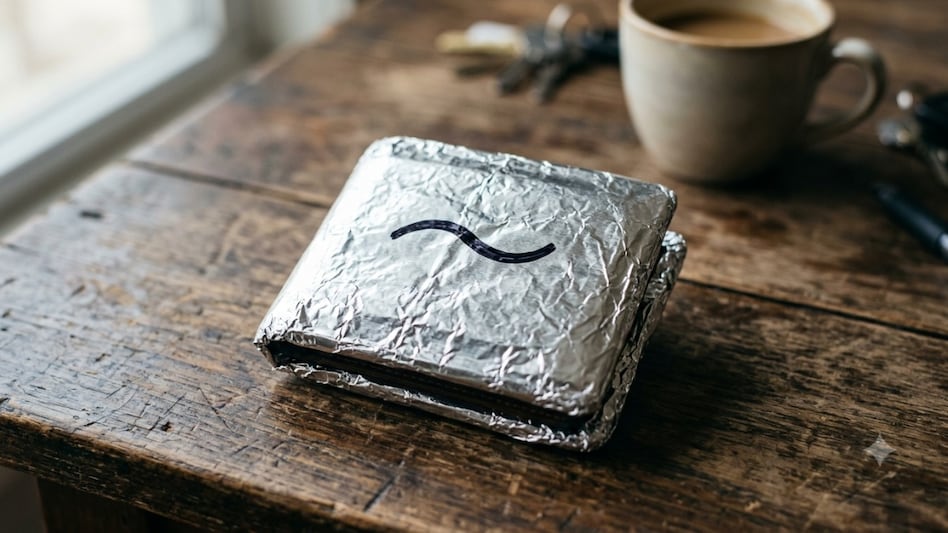
Unleashing the Power of AI: The 5 Smartphones Redefining Mobile Photography
Artificial Intelligence (AI) is transforming our daily experiences, permeating various aspects of technology, including ...
Business Today | Jul 26, 2026, 07:05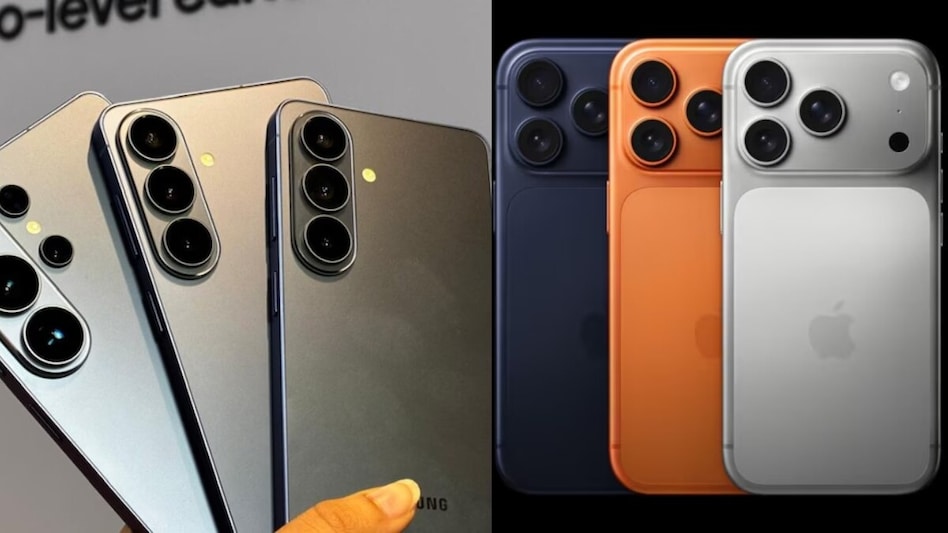
Warner Bros. Takes Legal Action Against Amazon Over Executive Poaching Allegations
Warner Bros. Discovery has initiated legal proceedings against Amazon, accusing the tech giant of unlawful interference ...
TechCrunch | Jul 25, 2026, 21:25
The Shift in Human Cognition: Embracing AI as a Collaborative Tool
As technology continues to evolve, a notable shift is occurring in the relationship between humans and artificial intell...
Business Insider | Jul 25, 2026, 09:50