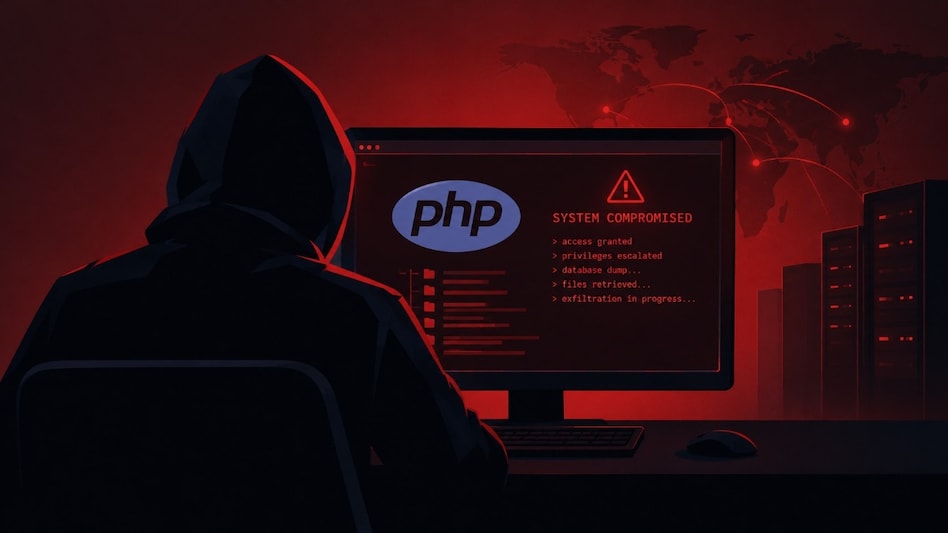
AI uncovers critical PHP security flaws: Why website owners must patch servers immediately
Organizations globally are rushing to secure their servers in light of critical vulnerabilities recently uncovered in PHP, a core programming language that powers much of the internet. These flaws, which had remained hidden for years, were identified through advanced artificial intelligence techniques, sparking alarms over potential server takeovers and an uptick in hacking attempts. On October 21, PHP developers released urgent security patches, urging users to update their installations without delay. Cybersecurity experts have cautioned that it is a misconception for organizations to believe their systems are safe simply because they do not actively use PHP for web development. Matthew Prince, the CEO of Cloudflare, emphasized the urgency of the situation in a recent post on X, alerting followers to two significant classes of vulnerabilities disclosed within a 24-hour period. One set of vulnerabilities involves compromised digital certificates, which could threaten the integrity of online communications, while the other is directly related to PHP installations, potentially enabling attackers to seize control of vulnerable servers. These vulnerabilities, referred to as “php2shell,” pose a severe threat as PHP is utilized in approximately 70% of all websites. This extensive use makes any weaknesses in the language a major security concern. The newly revealed flaws could allow attackers to send specially constructed requests to affected servers, with the potential to execute commands and gain access to critical files, alter them, or even repurpose the servers for malicious purposes. The severity of the risk varies based on the specific vulnerability exploited, the server's configuration, the privileges of the PHP process, and the existing security measures in place. Although having a vulnerable installation does not automatically imply a server is compromised, failing to apply patches could leave it open to attacks. The dual concerns about the PHP vulnerabilities stem from their widespread usage and the fact that AI has played a role in revealing flaws that were previously undetected. This development raises pressing questions about how quickly attackers might exploit these vulnerabilities once they become public knowledge. With an increase in hacking attempts reported following the disclosure of these vulnerabilities, the need for immediate patching is underscored. Organizations that delay in applying security updates risk remaining exposed even if they have not yet detected any suspicious activities. In response to the vulnerabilities, Cloudflare indicated that it had been forewarned and had taken proactive measures to protect its users. The company implemented mitigation strategies against the identified PHP vulnerabilities and enhanced its web application firewall (WAF) capabilities to detect exploitation attempts based on server responses. These protective measures are available to all Cloudflare customers at no extra cost; however, the company emphasized that these should complement, not replace, the installation of official PHP security updates. Security professionals recommend that organizations take immediate action by reviewing the official PHP security advisories to identify the affected versions and the necessary upgrade steps before applying changes to their production systems. Additionally, the PHP vulnerabilities were disclosed alongside a separate issue involving root TLS certificates linked to eMudhra. These TLS certificates are crucial for browsers and other systems to authenticate websites and establish secure connections. Reports indicate that affected certificates had an exceptionally weak private key, raising the possibility of fraud if exploited. Cloudflare has ceased trusting the vulnerable certificate roots in its proxy operations and is actively monitoring for any signs of exploitation. In summary, organizations are advised to promptly install OS and browser updates to safeguard against both the PHP vulnerabilities and the separate digital-certificate issue, as addressing one does not mitigate the other.
Amazon's $7.5 Billion Acquisition of Decart: A Strategic Move in the AI Chip Landscape
In a significant development for the tech industry, Amazon has announced its acquisition of Decart, a startup specializi...
TechCrunch | Nov 24, 2026, 15:55
Tidal Takes Bold Step Against AI Music Flood, Set to Remove Millions of Tracks
In a decisive move to combat the overwhelming influx of AI-generated music, Tidal announced on Tuesday its plans to ban ...
TechCrunch | Nov 24, 2026, 17:10
Investing in the Future: Solar and Battery Solutions for AI Data Centers
The challenge of powering AI data centers has emerged as a pivotal issue in the current technological landscape. Over th...
TechCrunch | Nov 24, 2026, 16:25
Nvidia's CEO Jensen Huang Returns Amid Scandal and Government Intervention
In a surprising turn of events, Nvidia's board has reinstated Jensen Huang as CEO and president just two weeks after his...
TechCrunch | Nov 24, 2026, 13:45
Revolutionizing Code Management: Anthropic Unveils Claude Ship
Anthropic is taking a significant leap in the realm of software development by introducing Claude Ship, a powerful suite...
TechCrunch | Nov 23, 2026, 22:10