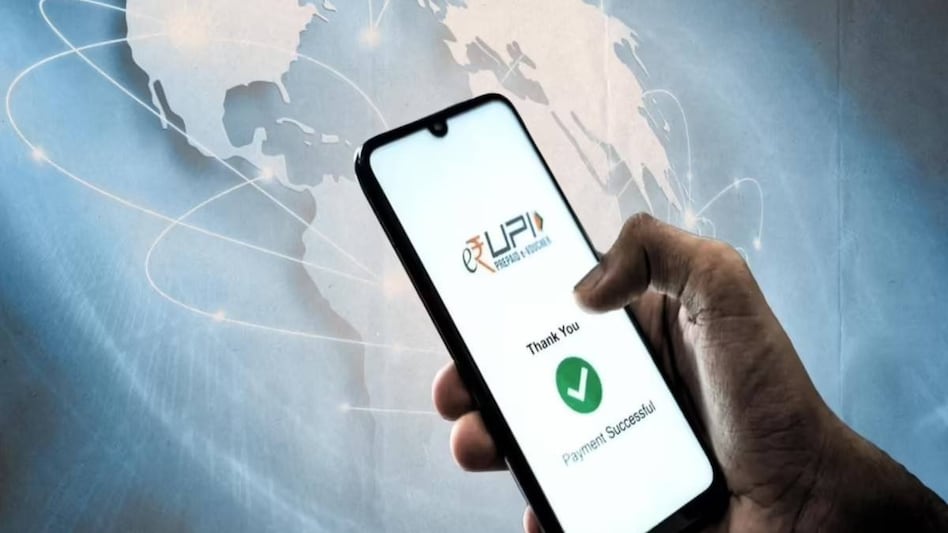
UPI drives digital economy, expands financial inclusion: Economic Survey 2026
The Unified Payments Interface (UPI) has been identified as a pivotal force in propelling India’s digital economy, according to the Economic Survey for 2025-26. This innovative payment system is not only aiding in financial inclusion but also supports platform-based businesses, integrating millions into the formal financial sector. Currently, UPI processes approximately 15 billion transactions each month, driven by over 800 million smartphone users. The survey highlights a direct correlation between UPI's extensive use and the rapid rise of platform-driven services such as e-commerce, ride-hailing, and freelancing, all of which are fundamental to India's burgeoning gig economy. The government reports a swift digital transformation within India’s financial framework, primarily fueled by public digital infrastructure. Innovations like UPI, Aadhaar-enabled services, and AI-enhanced credit scoring are significantly improving access to financial services, especially in rural and underserved regions. UPI has evolved into a versatile payment tool, with approximately 60% of users utilizing it for various transaction types, including in-store purchases, peer-to-peer transfers, bill payments, and online shopping. The survey indicates that nearly 80% of users engage with UPI for at least three different purposes, showcasing a consistent trend across genders and urban-rural divides. Despite its widespread adoption, the survey reveals that over 90% of UPI users still rely on cash transactions, highlighting a blended payment environment. Furthermore, UPI is increasingly becoming vital for facilitating credit access. The survey notes that digital payment frameworks, such as UPI, provide essential transaction data that banks and fintech firms use to evaluate creditworthiness, thereby assisting first-time borrowers who previously lacked access to formal financial services. Academic research cited in the survey suggests that systems like UPI are narrowing the gap between bank account ownership and formal credit accessibility by generating verifiable transaction records and significantly lowering transaction costs. This has allowed lenders to broaden their credit offerings across various risk profiles, with fintech companies playing a crucial role in reaching new borrowers. Looking to the future, the survey warns that the sustainability of UPI hinges on aligning incentives throughout the ecosystem to foster ongoing investments in infrastructure, reliability, and risk management, while maintaining the openness and interoperability that have been critical to its success.
Waymo to Launch Standalone App, Ending Exclusivity with Uber in Major Cities
For the past three years, Uber and Waymo, the autonomous vehicle division of Alphabet, have collaborated to provide driv...
CNBC | Jul 24, 2026, 21:55
Volkswagen Engineers Indicted for Insider Trading Linked to Rivian Partnership
In a significant legal development, the U.S. Department of Justice has brought securities fraud charges against two engi...
TechCrunch | Jul 24, 2026, 20:30
The Rise of AI Distillation: A Controversial Technique Sparks Debate in Tech and Government
In recent discussions, a once-obscure topic in artificial intelligence has surged to the forefront of debates among tech...
CNBC | Jul 25, 2026, 12:15
OpenAI's Micro Keypad: A Novelty for Coders or Just a Confounding Gadget?
Last week, OpenAI made its debut in the hardware landscape with the launch of Micro, a stylish keypad designed to integr...
TechCrunch | Jul 25, 2026, 24:40
Shifting Focus: The Cost-Effectiveness of AI Models Takes Center Stage
In recent years, the AI sector has been intensely focused on identifying the most advanced models. While this pursuit re...
Business Insider | Jul 25, 2026, 13:10