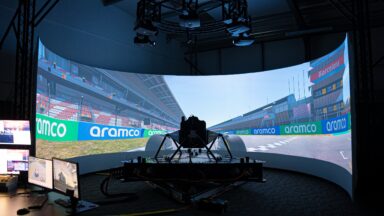
What’s so special about a Formula 1 driver-in-the-loop simulator?
In the 21st century, Formula 1 has revolutionized its training methods through the use of driver-in-the-loop (DiL) simulators. This trend began in the early 2000s, with teams like McLaren, Toyota, and Ferrari leading the charge, although they remain tight-lipped about their technological advancements. Over the years, the sophistication of these simulators has skyrocketed, paralleling the rise of high-end consumer simulation setups that can cost tens of thousands of dollars. However, what sets the multimillion-dollar systems utilized by F1 apart? The answer lies in their unmatched performance, particularly in terms of latency. Ash Warne, founder and CTO of Dynisma Motion Generators, a UK company supplying simulators to teams like Ferrari and Alpine, explains, "There’s this intimate link between the inputs that a driver provides to the car, the way the car responds, and the immediate reaction from the driver. This creates a highly dynamic closed loop between the driver and the vehicle." The precision of these simulators is paramount. Warne emphasizes the need for the simulator to replicate real car behavior with extreme accuracy, stating, "If the simulator diverges from what a World Champion racing driver expects, they will instantly notice the difference." Remarkably, the latency in these systems is reported to be between 3 and 5 milliseconds. This metric represents the speed at which the simulator can process a situation, such as the rear of the car losing grip, and respond accordingly. For comparison, this performance is significantly faster than that of leading commercial flight simulators and even the National Advanced Driving Simulator used for training in Iowa. As F1 continues to push the boundaries of technology, the evolution of these simulators will undoubtedly play a crucial role in shaping the future of motorsport training.
The Aluminum Foil Trend: A DIY Shield Against Wireless Identity Theft
Have you noticed an unusual trend where people are wrapping their wallets in aluminum foil? This peculiar practice has e...
Business Today | Jul 25, 2026, 02:45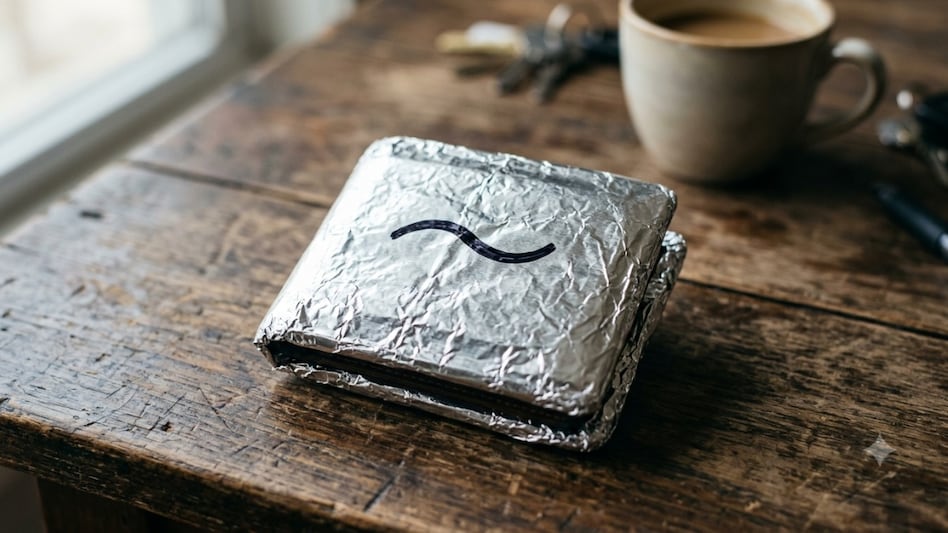
Vision Breakthrough: US Startup Launches Groundbreaking Retina Chip in Europe
Science Corp is poised to introduce a revolutionary retina chip in Europe, designed to restore partial vision for indivi...
Business Today | Jul 25, 2026, 01:00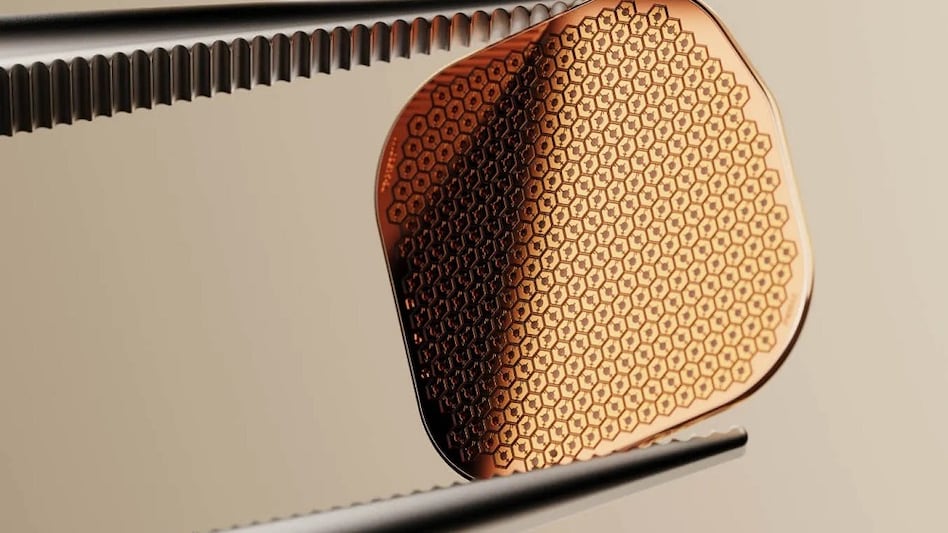
Revolutionizing Office Automation: Prentis Aims to Secure $100 Million in Funding
Prentis, a newly established AI research lab, is making waves in the tech industry as it prepares to raise $100 million ...
TechCrunch | Jul 25, 2026, 24:00
The Shift in Human Cognition: Embracing AI as a Collaborative Tool
As technology continues to evolve, a notable shift is occurring in the relationship between humans and artificial intell...
Business Insider | Jul 25, 2026, 09:50The Boring Company Eyes $4 Billion Funding Boost Amid Expanding Tunnel Ventures
Elon Musk's tunneling enterprise, The Boring Company, is reportedly negotiating a substantial funding round of $4 billio...
TechCrunch | Jul 25, 2026, 19:50