
The neurons that let us see what isn’t there
Illusions may be entertaining, but they also provide critical insights into how we perceive the world around us. Hyeyoung Shin, an assistant professor of neuroscience at Seoul National University, leads a groundbreaking study published in Nature Neuroscience, which identifies a unique set of neurons in the visual cortex, referred to as IC-encoders. This research highlights their essential function in the perception of visual illusions. The collaboration among researchers from the University of California, Berkeley, the Allen Institute in Seattle, and Seoul National University has revealed how our brains perceive edges that do not actually exist. A well-known example is the Kanizsa triangle, where three 'Pac-Man' shapes create the illusion of a bright white triangle. However, when obscured, it becomes clear that there is no real boundary, only a uniform background. For over two decades, neurophysiological studies involving primates and advanced imaging techniques in humans and mice have indicated that neurons in the primary visual cortex (V1) and other higher visual areas respond to both genuine and illusory contours. This suggests that when edges are absent from visual stimuli, the brain compensates by 'filling in' these gaps. This phenomenon poses a challenge to the traditional 'bottom-up' perspective of perception, which views the visual system merely as a passive recorder of retinal input. Instead, early stages of visual processing involve a dynamic interplay of local and distant neural signals, alongside the application of prior knowledge—like statistical patterns in the visual environment—to inform our perceptions. Essentially, the brain makes educated 'assumptions' about what we observe based on previous experiences. The latest findings pinpoint the specific neurons responsible for encoding these critical inferences, achieved through a combination of advanced brain imaging techniques and a novel causal testing method that involved direct stimulation of the neurons to assess their responses.
Waymo Suspends Robotaxi Service in San Francisco Due to Power Outage
Waymo has announced a temporary halt to its robotaxi operations in San Francisco following a significant power outage im...
TechCrunch | Jul 18, 2026, 19:45
Nationwide Protests Erupt Against AI Data Centers as Communities Demand a Voice
A wave of grassroots activism swept across the United States on Saturday, as citizens rallied against the expansion of A...
Business Insider | Jul 18, 2026, 20:45The Shift in Electric Vehicle Offerings: A Look at U.S. Discontinuations
The automotive landscape is undergoing a significant transformation as various companies announce the discontinuation of...
TechCrunch | Jul 18, 2026, 16:45
India's Groundbreaking Leap in Precision Timing with White Rabbit Technology
In the realm of modern digital infrastructure, time stands as an unseen yet crucial component. Every mobile call, financ...
Business Today | Jul 19, 2026, 10:50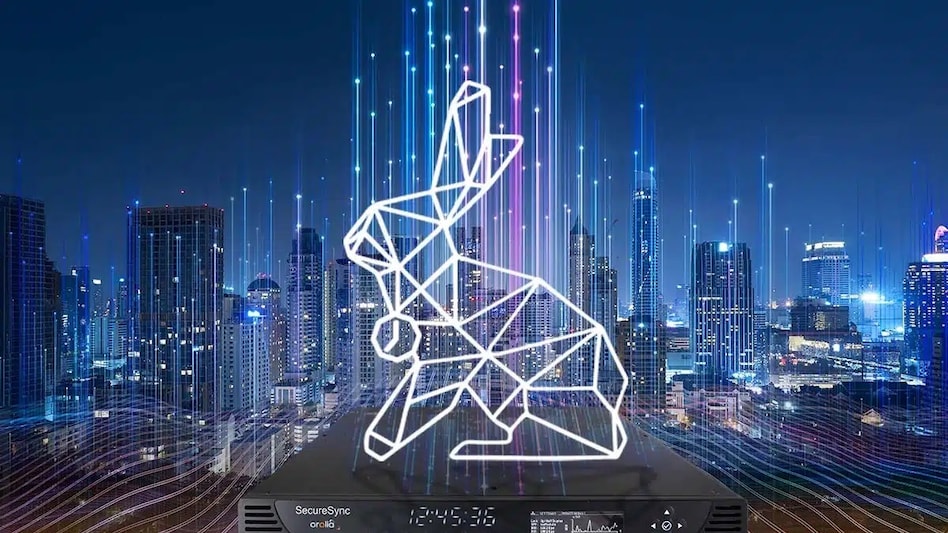
Kimi AI Sparks Controversy Amid Global Tensions
This week, the Chinese firm Moonshot AI unveiled an updated version of its Kimi model, reigniting discussions surroundin...
TechCrunch | Jul 18, 2026, 19:00