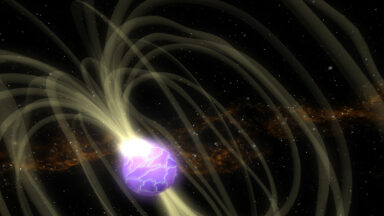
Magnetars drag spacetime to power superluminous supernovae
Type I superluminous supernovae are among the most intense explosions observed in the universe, capturing the attention of astrophysicists worldwide. Joseph Farah, an astrophysicist at the University of California, Santa Barbara, highlights their significance, stating, “They are one of the brightest explosions in the Universe.” Researchers have long sought to decipher the source of the immense power behind these extraordinary cosmic events, and recent findings suggest they may have found the answer. Farah and his team propose that magnetars—rapidly rotating neutron stars capable of distorting space and time—are the key drivers of superluminous supernovae. These magnetars are believed to originate from the collapsing core of the progenitor star, radiating energy through magnetic dipole radiation. Farah explains the process, noting, “This core is roughly a one solar mass object that gets crushed down to the size of a city.” As the magnetar's spin diminishes, it transfers its rotational energy to the expanding remnants of the deceased star, creating a brilliant display. However, a challenge arose: the traditional magnetar model struggled to align with observational data. According to this model, the brightness of a supernova should increase rapidly before fading in a smooth manner as energy is depleted. Farah notes, “This way the light curve, in the prediction of this model, just goes up and then down quite smoothly.” Yet, when astronomers study superluminous supernovae, they observe a different pattern—irregular fluctuations and unexpected variations rather than a steady decline. To reconcile these discrepancies, scientists initially attempted to adjust the magnetar model, suggesting that the expanding debris might be colliding with uneven layers of material ejected by the star prior to its explosion. Alternatively, they considered the possibility of the magnetar generating sporadic, intense flares. Nevertheless, these adjustments required a level of precise tuning that proved challenging to support with observational evidence, leaving the mystery of superluminous supernovae still partially unresolved.
The Aluminum Foil Trend: A DIY Shield Against Wireless Identity Theft
Have you noticed an unusual trend where people are wrapping their wallets in aluminum foil? This peculiar practice has e...
Business Today | Jul 25, 2026, 02:45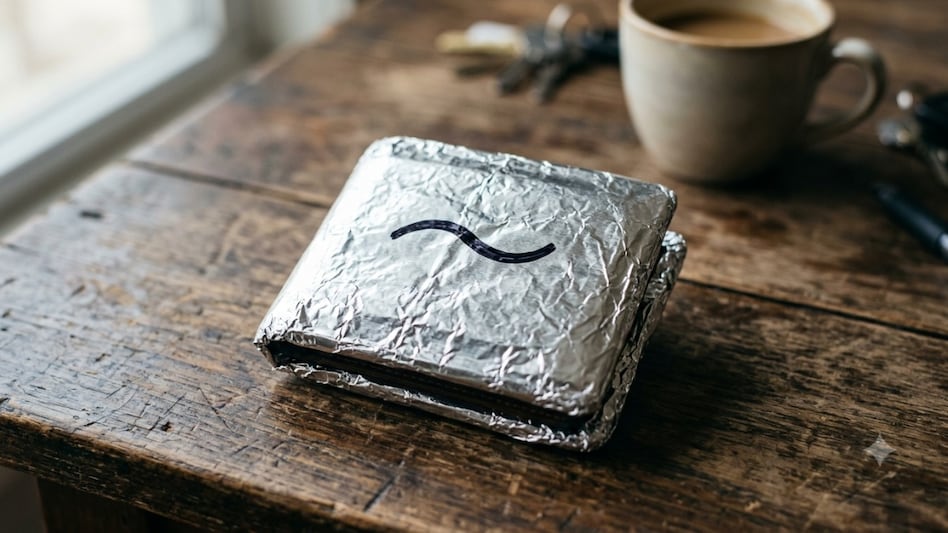
Vision Breakthrough: US Startup Launches Groundbreaking Retina Chip in Europe
Science Corp is poised to introduce a revolutionary retina chip in Europe, designed to restore partial vision for indivi...
Business Today | Jul 25, 2026, 01:00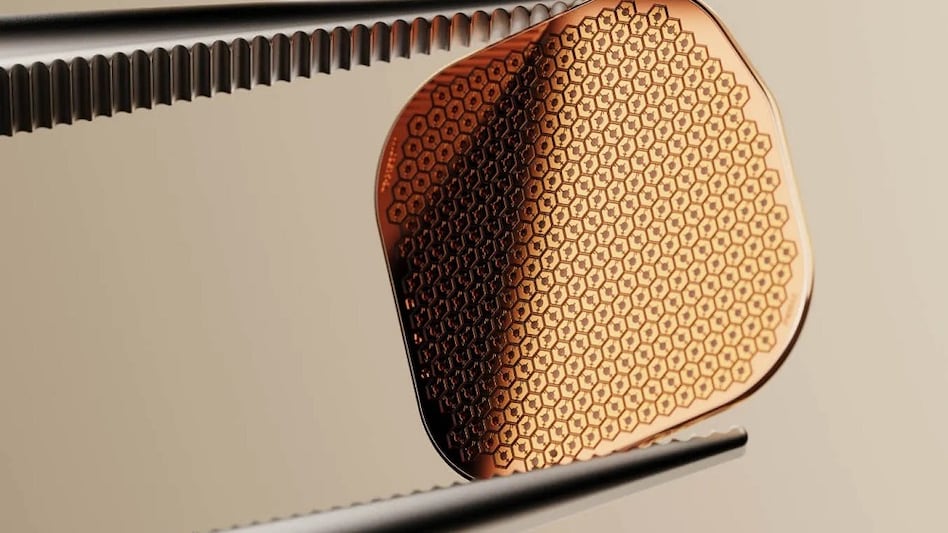
The Shift in Human Cognition: Embracing AI as a Collaborative Tool
As technology continues to evolve, a notable shift is occurring in the relationship between humans and artificial intell...
Business Insider | Jul 25, 2026, 09:50The Future of Work: Executives Weigh In on AI's Impact on Gen Z Careers
As generative artificial intelligence continues to rise, uncertainty looms for the incoming Gen Z workforce. Leaders fro...
Business Insider | Jul 26, 2026, 10:15The Elusive Phineas Fisher: The Hacktivist Who Took Down Spyware Giants
In the realm of cybersecurity, few figures are as intriguing as Phineas Fisher, a hacker who has evaded capture for near...
TechCrunch | Jul 25, 2026, 21:00