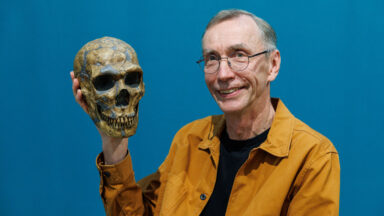
Genomes chart the history of Neanderthal-modern human interactions
Recent research has solidified the understanding that modern humans interbred with Neanderthals during their expansion from Africa, leading to the presence of Neanderthal DNA in contemporary human genomes. Interestingly, some Neanderthal genomes also contain fragments of modern human DNA, highlighting a complex genetic interplay between the two species. However, not all modern humans carry the same Neanderthal DNA; individual genetic inheritance results in varying fragments across different people. There are specific regions known as 'Neanderthal deserts' where Neanderthal DNA appears to be absent. The most significant of these deserts is the X chromosome, which raises intriguing questions about the evolutionary dynamics at play, such as whether this absence indicates a lack of fitness in those genes or reflects historical mating preferences. A new study conducted by researchers at the University of Pennsylvania, including Alexander Platt, Daniel N. Harris, and Sarah Tishkoff, has focused on analyzing the X chromosomes from the limited number of complete genomes available. Their findings reveal a notable bias towards modern human sequences within these chromosomes, suggesting a pattern of selective mating. This could imply that Neanderthal males preferred to mate with modern human females, influencing the genetic landscape of future generations. Given the lengthy period during which modern humans and Neanderthals evolved separately, genetic incompatibility is a plausible factor. Many proteins interact within networks, and the genes responsible for these interactions may evolve together. If a change in one gene occurs, it could necessitate compensatory changes in other related genes. Consequently, reintroducing a Neanderthal gene into the modern human genome could disrupt these networks, negatively impacting overall fitness. This disruption would likely lead to the loss of certain Neanderthal genes over generations, as they would be selected against. Additionally, random loss of some genetic segments could occur due to the sheer size of the genome and the expanding population of modern humans, which would dilute the influence of Neanderthal DNA. Determining the dominant genetic influences remains a complex challenge for researchers in the field.
Seamless Switch: Android 17 Simplifies iPhone to Android Data Transfer
Transitioning from an iPhone to an Android device has just become significantly easier with the introduction of Android ...
Business Today | Jul 23, 2026, 11:40
Elon Musk Urges Tesla to Ramp Up AI Investments Despite Potential Waste
In a bold move, Elon Musk has emphasized the need for Tesla to significantly increase its spending on artificial intelli...
Business Insider | Jul 23, 2026, 11:05Elon Musk Embraces AI Risks for a Future of Abundance
In a thought-provoking interview with Zanny Minton Beddoes, the editor in chief of The Economist, Elon Musk shared his i...
Business Insider | Jul 23, 2026, 12:20Debate Erupts Over Kimi K3's Origins Amid Allegations of Intellectual Theft
Michael Kratsios, a science advisor at the White House, has raised eyebrows regarding the development of Kimi K3, an adv...
TechCrunch | Jul 23, 2026, 11:15
ServiceNow Invests $40 Million in Indian Banking Software Firm to Enhance Financial Services
ServiceNow, a prominent U.S. enterprise software provider renowned for streamlining workflows in IT and HR functions, is...
TechCrunch | Jul 23, 2026, 06:50