
VC-backed startups commit more fraud, and researchers think they know why
A recent investigation conducted by researchers from Imperial College London and France’s Emlyon Business School has unveiled the troubling landscape of fraud among venture capital-backed startups in Silicon Valley. This report, published online in June, compiles a detailed database that tracks tech founders and their companies facing civil and criminal securities fraud charges from the SEC and DOJ from 2000 to 2023. Notable cases highlighted include high-profile founders such as Charlie Javice from Frank, Gökçe Güven of Kalder, Do Kwon from Terraform Labs, and Alexander and Valerie Lau Beckman from GameOn. Discussions surrounding fraud and its more palatable term “scam” have ignited on platforms like X, as industry experts and observers debate the murky boundaries between ambition and unethical practices. Tim Weiss, one of the report’s authors, emphasized the normalization of fraud in the startup ecosystem. He referenced another study from the University of Toronto published in June, which analyzed 654 fraud cases involving U.S. VC-backed startups from 2000 to 2023. While fraud remains relatively rare overall, the findings suggest that startups with venture funding are more susceptible to fraud allegations compared to their non-venture counterparts. Notably, startups launched during market booms with lax oversight are 19% more likely to engage in fraudulent activities. Weiss remarked on the dual responsibility of both founders and investors, stating that unrealistic growth expectations set by investors contribute significantly to the problem. The current surge in AI startups presents a breeding ground for potential fraud, according to Weiss. His co-authored paper outlines a troubling pattern termed “façading,” where founders may resort to increasingly deceptive practices as they navigate the gap between investor expectations and actual performance. The stages of façading include: - **Surface Façading**: Founders exaggerate their company's success during initial pitches to attract investment. - **Reinforced Façading**: This escalates to fabricating evidence, such as fake contracts and revenue figures, to support their claims. - **Deep Façading**: In this advanced stage, founders create elaborate deceptions, including misleading demos of their technology, fostering an alternate reality built on falsehoods. However, the study reveals that investors are not entirely blameless in this dynamic. Weiss noted that some investors inadvertently contribute to fraud by imposing unrealistic growth demands. "Investors set the high growth expectations," he explained, which leads founders to manipulate data to meet those demands. Surprisingly, the report indicates that being accused of fraud doesn’t necessarily hinder a founder’s ability to secure funding for future ventures, challenging the notion that such allegations bear severe consequences in Silicon Valley. The research also points out that startups with founder-controlled boards are twice as likely to engage in fraudulent behavior compared to those with investor oversight. Furthermore, those that maintain founder control post-IPO are more vulnerable to class-action lawsuits within two years than PE-backed firms. Weiss advocates for proactive measures by the SEC, suggesting that routine audits of startups should occur once they reach significant investment milestones, rather than waiting for a whistleblower tip or lawsuit. He calls for greater accountability from investors concerning their governance responsibilities and urges further exploration into the dynamics between entrepreneurs and investors to mitigate fraud risks. Ultimately, until a culture shift occurs where investors share in the accountability for corporate governance, founders must resist the lure of deceit in their pursuit of success.
Nvidia's Jensen Huang Opens Up About Personal Struggles and Commitment to Improvement
In a heartfelt address to Nvidia employees, Jensen Huang revealed that he has been attending daily therapy sessions as h...
Business Today | Nov 25, 2026, 02:10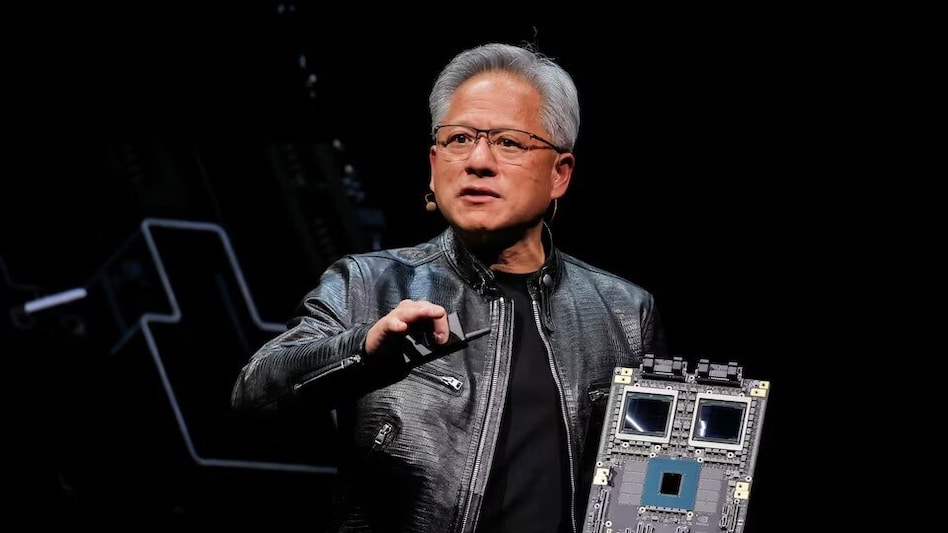
Cybersecurity Alert: Iranian Hackers Target Shipping Vessels in Surge of Attacks
U.S. authorities are investigating a series of cyberattacks on shipping vessels, with suspicions pointing toward Iranian...
TechCrunch | Nov 24, 2026, 21:15
Nvidia's Board Shake-Up: The High-Stakes Return of Jensen Huang
Nvidia's CEO Jensen Huang has received unwavering support from longtime board members Tench Coxe, Mark Stevens, and Harv...
CNN | Nov 24, 2026, 23:00
Walmart Partners with Meta's Muse for a Smarter Black Friday Shopping Experience
The future of shopping is now, as Walmart embraces the integration of artificial intelligence into its retail strategy. ...
TechCrunch | Nov 24, 2026, 21:45
Jensen Huang Opens Up at Nvidia's All-Hands Meeting: A Journey of Redemption
In a heartfelt address during Nvidia's first all-hands meeting since his reinstatement, founder Jensen Huang shared his ...
TechCrunch | Nov 24, 2026, 22:20