
Brad Feld on “Give First” and the art of mentorship (at any age)
Brad Feld, a seasoned entrepreneur and venture capitalist, has dedicated much of his career to the principle of giving without expecting anything in return. This belief transcends conventional pay-it-forward notions, as Feld explains that by helping others, valuable connections and opportunities will naturally arise over time. Feld, who began his journey into angel investing in the 1990s, gained recognition through his insightful blog, "Feld Thoughts." His candid insights into the previously opaque world of venture capital ignited numerous conversations throughout Silicon Valley. After co-founding both Techstars and the Foundry Group—a firm that has supported hundreds of startups over the past 18 years—he is now sharing his business and life insights in his latest book, "Give First." In a recent interview, Feld discussed the motivation behind his book and the importance of mentorship and setting boundaries to prevent burnout. He revealed that the concept of "Give First" began taking shape in his 2012 book, "Startup Communities," highlighting that for a startup ecosystem to thrive, individuals must be willing to contribute without a clear expectation of immediate returns. After stepping back from the public eye for two years, Feld found renewed purpose in his work when David Cohen resumed his role as CEO of Techstars. His collaboration with Cohen reignited his passion, prompting him to revisit his book draft, which he found to be quite promising. Feld emphasizes the need for mentors to protect themselves while generously giving their time and knowledge. He acknowledges the complexities of mentorship, especially regarding the balance of giving and the potential for burnout. He points out that there are individuals who seek to take advantage of those willing to give, a dynamic he compares to Adam Grant's spectrum of givers, takers, and traders. He stresses the significance of humility in mentorship, arguing that saying "I don’t know" can be incredibly beneficial for new entrepreneurs. Rather than presenting themselves as all-knowing, effective mentors should frame their advice in terms of personal experiences and hypotheses rather than assertions. Feld also highlights the evolving nature of mentor-mentee relationships, suggesting that anyone can become a mentor at any stage of their career. He recounts how some of his most valuable insights have come from individuals just starting out, reinforcing that effective mentorship is more about one’s mindset than their level of experience. As the tech industry faces unprecedented challenges, including layoffs and the impact of AI, Feld remains optimistic. He believes that while the current environment is chaotic, the principles outlined in his book are timeless. Rather than seeking validation for his ideas, Feld hopes to encourage readers to think critically and adapt their approaches to mentorship and business. In closing, Feld reflects on the importance of making meaningful choices in life, reminding us that our time is limited. He advocates for a thoughtful approach to relevance and legacy, urging individuals to focus on what truly matters in their lives and careers.
Revolutionizing Code: How AI is Transforming Programming Beyond Recognition
Andrej Karpathy, a notable figure in the AI landscape, is making waves with his insights into the rapid evolution of pro...
Business Insider | Feb 27, 2026, 09:20Former HDFC CEO Aditya Puri: AI Job Replacement Fears Are Overblown
In the wake of rapid advancements in artificial intelligence, former HDFC CEO Aditya Puri has expressed skepticism regar...
Business Today | Feb 27, 2026, 11:25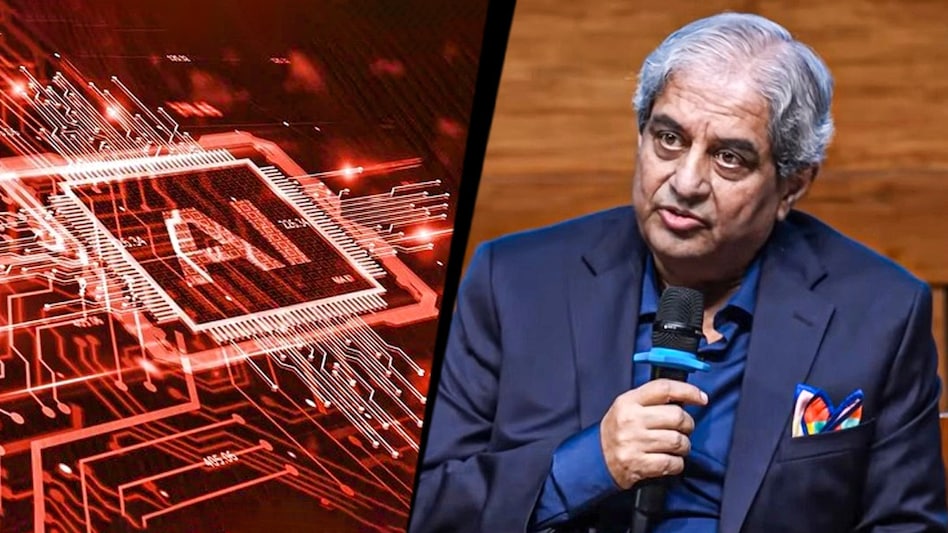
India's Tech Transformation: The Urgent Shift from IT Services to Innovation-Driven Growth
India's technology sector is poised for a critical transformation. With a valuation exceeding $300 billion, accounting f...
Business Today | Feb 27, 2026, 06:20
AI Surge Triggers Memory Chip Crisis, Driving Smartphone Prices to New Heights
The smartphone industry is facing unprecedented challenges due to a global shortage of memory chips, primarily driven by...
CNN | Feb 27, 2026, 07:05
Jack Dorsey Acknowledges Overexpansion as Block Faces Major Layoffs
In a candid reflection on recent developments at Block, co-founder and CEO Jack Dorsey has taken accountability for the ...
Business Insider | Feb 27, 2026, 10:20