An inner-speech decoder reveals some mental privacy issues
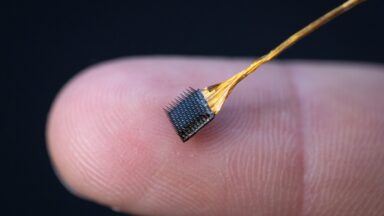
In a remarkable advancement in brain-computer interface (BCI) technology, researchers at Stanford University have developed a novel system capable of decoding inner speech. Unlike traditional BCIs that require users to physically attempt to speak, the new technology interprets the silent dialogues that occur in our minds, a process often utilized during silent reading or internal monologues. The challenge with this innovation lies in the nature of inner speech, which can contain personal thoughts that individuals may prefer to keep private. To address these concerns, the research team implemented a pioneering 'mental privacy' safeguard, ensuring that sensitive thoughts remain confidential and are not inadvertently revealed through the BCI. Historically, most neural prostheses designed for speech synthesis have focused on decoding the signals generated when a person tries to speak aloud, an approach derived from methods used to control artificial limbs. Benyamin Meschede Abramovich Krasa, a neuroscientist at Stanford and co-lead author of the study, explained that this technique leverages the strong signals produced by attempted muscle movements. However, for individuals with conditions such as ALS or tetraplegia, the effort to speak can be tremendously taxing. Recognizing this limitation, Krasa and his team pivoted to focus on silent speech, which does not require muscular engagement. They began by gathering data to train AI algorithms to interpret the neural signals associated with inner dialogue and translate these into coherent words. The research involved four participants, each with significant paralysis, who had microelectrode arrays implanted in various regions of their motor cortex. These individuals engaged in tasks that included listening to recorded words and practicing silent reading, providing valuable insights for the AI system. This groundbreaking work not only advances the field of BCIs but also raises important ethical considerations regarding mental privacy and the implications of interpreting thoughts. As the technology progresses, the potential for applications in communication for those with severe disabilities becomes increasingly promising, paving the way for a future where thoughts can be expressed without the need for physical speech.
Kimi K3: China's New AI Challenger Shakes Up Silicon Valley
The launch of Kimi K3, an innovative artificial intelligence model from the Chinese startup Moonshot AI, is creating a s...
Business Insider | Jul 17, 2026, 13:05Market Turmoil: Tech Stocks Plunge, Netflix's Earnings Disappoint, and Economic Sentiment Dips
In a turbulent start to the trading day, stock futures are showing signs of decline after a downward trend yesterday. Th...
CNBC | Jul 17, 2026, 12:45
ASML Navigates the Complexities of U.S.-China Relations Amidst Growing AI Demand
ASML finds itself in a challenging position, balancing significant sales from China while facing increasing political pr...
CNBC | Jul 17, 2026, 11:15
Florida Man Arrested for Allegedly Using Malware-Infested Games to Steal Cryptocurrency
U.S. authorities have taken a significant step in combatting cybercrime with the arrest of a 21-year-old Florida residen...
TechCrunch | Jul 17, 2026, 16:45
AI Startup Secures $400 Million Loan to Pioneer Inference Chip Market
General Compute, an innovative startup specializing in AI inference, has successfully secured a substantial loan of $400...
TechCrunch | Jul 17, 2026, 12:15