How different mushrooms learned the same psychedelic trick
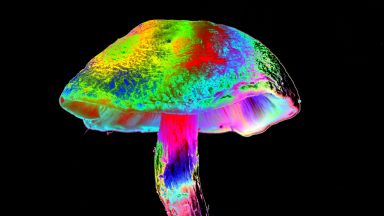
For millennia, magic mushrooms have played a pivotal role in cultural rituals and recreational use. A groundbreaking study has revealed that these fungi have independently developed the capability to synthesize the psychoactive compound psilocybin on two separate occasions. This revelation not only enhances our understanding of the ecological significance of these mushrooms but also underscores their potential medical applications. Psilocybin, the compound produced by magic mushrooms, is metabolized into its active form, psilocin, once ingested. The substance gained notoriety in the 1960s, leading to its classification as a Schedule 1 drug in the United States by 1970 and a Class A drug in the UK in 1971. These classifications were assigned to substances deemed to have a high potential for abuse and no recognized medical use, effectively halting research into psilocybin's therapeutic benefits for decades. However, recent clinical studies have illustrated psilocybin's promising ability to alleviate symptoms of depression, suicidal ideation, and chronic anxiety. This resurgence in interest has spurred scientists to investigate the natural synthesis of psilocybin and explore sustainable production methods. The research, spearheaded by Dirk Hoffmeister, a pharmaceutical microbiology expert from Friedrich Schiller University Jena, uncovered that mushrooms can produce psilocybin through two distinct enzymatic pathways. This finding not only sheds light on the natural processes behind psilocybin production but also offers insights into laboratory synthesis of the compound. The study revealed that enzymes from two unrelated mushroom species evolved independently to create the same chemical compound, a phenomenon known as convergent evolution. This process indicates that different organisms can develop similar traits through separate evolutionary paths. A parallel example can be seen in the evolution of caffeine, which various plants like coffee and tea have independently developed. Remarkably, the two mushrooms studied exhibit vastly different ecological roles. Inocybe corydalina, the focus of Hoffmeister's research, forms symbiotic relationships with tree roots, while Psilocybe mushrooms, commonly referred to as magic mushrooms, derive nutrients from decomposing organic matter, including decaying wood and dung. This fascinating study marks a significant milestone in our understanding of fungal evolution and opens new avenues for medical research.
Kalshi Challenges Netflix Over Controversial Documentary Trailer
Kalshi, the prediction market platform, has taken significant legal steps against Netflix, sending a cease-and-desist le...
TechCrunch | Jul 25, 2026, 17:10
Vision Breakthrough: US Startup Launches Groundbreaking Retina Chip in Europe
Science Corp is poised to introduce a revolutionary retina chip in Europe, designed to restore partial vision for indivi...
Business Today | Jul 25, 2026, 01:00
The Elusive Phineas Fisher: The Hacktivist Who Took Down Spyware Giants
In the realm of cybersecurity, few figures are as intriguing as Phineas Fisher, a hacker who has evaded capture for near...
TechCrunch | Jul 25, 2026, 21:00
Warner Bros. Takes Legal Action Against Amazon Over Executive Poaching Allegations
Warner Bros. Discovery has initiated legal proceedings against Amazon, accusing the tech giant of unlawful interference ...
TechCrunch | Jul 25, 2026, 21:25
The Aluminum Foil Trend: A DIY Shield Against Wireless Identity Theft
Have you noticed an unusual trend where people are wrapping their wallets in aluminum foil? This peculiar practice has e...
Business Today | Jul 25, 2026, 02:45