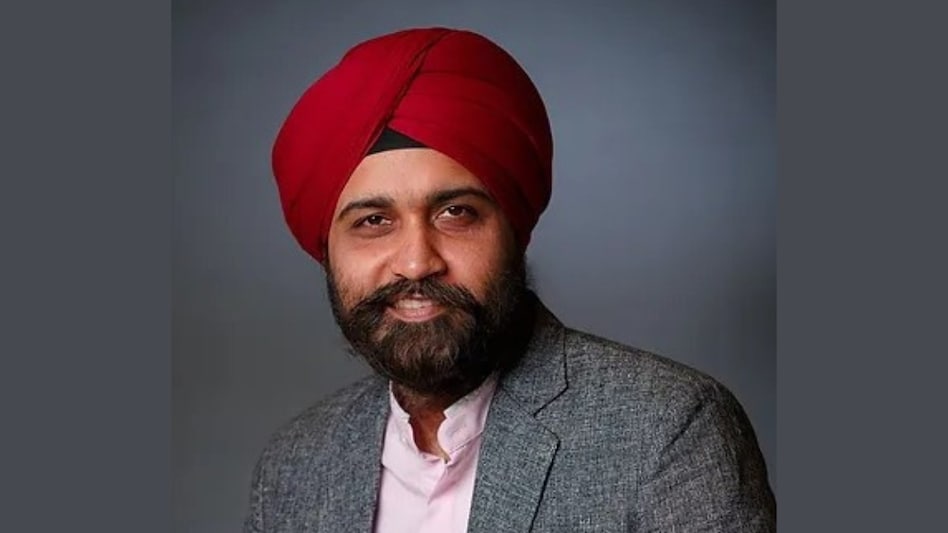
Budget 2026 must focus on tax breaks and R&D push to support innovation, says Shorthills AI’s Paramdeep Singh
As Finance Minister Nirmala Sitharaman prepares to unveil the Union Budget for 2026-27, leaders in the tech and startup sectors are calling for a shift in governmental strategy. Paramdeep Singh, co-founder of Shorthills AI, emphasizes that the focus should not be on developing in-house artificial intelligence capabilities but rather on fostering a supportive environment for private innovation. In a recent discussion with Business Today, Singh advocated for the budget to prioritize tax incentives and performance-driven R&D subsidies. He believes these measures are crucial for Indian firms grappling with the significant expenses associated with AI system development, particularly regarding computing hardware and energy costs. "The budget should introduce tax schemes and R&D grants that motivate businesses to take the plunge into AI," he stated. Singh suggests that the government’s role should evolve from being a direct participant in AI development to an enabler for private enterprises. "The government should focus on maintaining law and order while providing a conducive environment for businesses to innovate, rather than managing AI laboratories directly," he explained. He reiterated that the future of India's AI landscape hinges on startups' ability to secure funding, infrastructure, and consistent policy support. Highlighting the financial hurdles that AI startups face, Singh pinpointed hardware and electricity costs as the most pressing challenges. He urged the upcoming budget to tackle these issues head-on by reducing customs duties on advanced GPUs and TPUs and providing targeted subsidies for AI chips. "Such initiatives would allow startups to compete more effectively," he asserted, adding that power subsidies for high-density data centers are essential for maintaining operations. Furthermore, Singh warned that without access to data, computing resources, and reliable electricity, India risks falling behind in the global AI race. He proposed three critical steps to enhance the country's AI infrastructure: sharing anonymized, high-quality data from public resources with the private sector; implementing tax breaks on high-end computing devices; and ensuring a steady supply of high-quality power necessary for data centers. In a visionary proposal, Singh also suggested the creation of dedicated AI Parks through public-private partnerships, similar to the Software Technology Parks of India. By providing subsidies and essential infrastructure in these zones, the government could motivate private entities to prioritize R&D, paving the way for Indian companies to transition from merely using AI to developing sophisticated generative AI models. These reforms, Singh argues, are vital for the future of India's position in the global AI ecosystem.
Reclaiming Control: Librarians Host Workshops to Help People Navigate AI Tools
In a lively library setting in South Philadelphia, Charlie Bailey, a local librarian, humorously noted, "Everybody’s on ...
TechCrunch | Jul 25, 2026, 16:20
Navigating the AI Landscape: Insights from a Former OpenAI Intern
As the demand for expertise in artificial intelligence surges, many are seeking ways to break into this dynamic field. H...
Business Insider | Jul 26, 2026, 10:10AI Transformations Lead to Major Job Cuts at Tech Giants
Monday.com, the innovative work management platform based in Tel Aviv, has recently announced significant layoffs, attri...
TechCrunch | Jul 26, 2026, 01:45
Linux Creator Challenges Developers: Embrace AI or Fork Off!
In a recent discussion surrounding the use of AI in software development, Linus Torvalds, the founder of Linux, voiced h...
Business Insider | Jul 26, 2026, 13:10The Rise of AI Distillation: A Controversial Technique Sparks Debate in Tech and Government
In recent discussions, a once-obscure topic in artificial intelligence has surged to the forefront of debates among tech...
CNBC | Jul 25, 2026, 12:15