
Google AI Studio reveals 10 Nano Banana Pro tricks that will change your images
Google has unveiled an extensive guide aimed at helping creators and developers maximize the potential of its Nano-Banana Pro, the latest innovation in visual and asset production. Shared on X by the Google AI Studio, the guide, authored by Guillaume Vernade, a Developer Advocate at Google DeepMind, details ten essential techniques focused on prompting strategies, editing workflows, and advanced creative features. Positioned as a substantial advancement over previous image generation models, Nano-Banana Pro boasts capabilities such as detailed text rendering, consistent character portrayal, sophisticated visual reasoning, and real-time grounding using Google Search data. The model emphasizes understanding artistic intent over mere keyword matching, encouraging users to communicate with it as they would with a human artist. Instead of fragmented instructions, the guide recommends using complete descriptive sentences. For instance, a user might instruct, "That’s great, but could you adjust the lighting to sunset and change the text to neon blue?" Another example illustrates a detailed scene: "Create a cinematic wide shot of a futuristic sports car speeding through a rainy Tokyo street at night, with neon signs reflecting off the wet pavement." Additionally, Google advises specifying subjects, textures, and contextual elements. A cookbook brief, for example, can heavily influence the lighting and styling decisions in the visuals produced. Nano-Banana Pro can distill complex documents into clear and engaging visuals. Sample prompts include creating a clean infographic from an earnings report, designing retro-style graphics about American diners, or crafting detailed blueprints for architectural projects. The model can also handle up to 14 reference images for identity locking, which is particularly beneficial for creators working on series, thumbnails, or marketing campaigns. Google provides various examples, such as designing a viral thumbnail for a video or crafting a humorous story featuring three characters on vacation. Moreover, the model's ability to pull current data from real-time searches enhances its relevance. For example, it can generate an infographic showcasing optimal visiting times for U.S. National Parks in 2025 based on trending travel insights. Creators can utilize Nano-Banana Pro to remove unwanted objects, restore vintage photographs, colorize manga panels, or adapt scenes for different cultural contexts. It can also transform floor plans into photorealistic 3D depictions, making it a versatile tool for various creative needs. With output resolutions ranging from 1K to 4K, this model is perfect for producing high-quality prints and intricate environmental textures. Examples include generating a richly detailed forest scene or creating a hyper-realistic infographic of a gourmet cheeseburger. Nano-Banana Pro uses advanced reasoning to develop and refine compositions, allowing users to create compelling visual narratives. This model is capable of following sketches and wireframes closely, making it an invaluable resource for designers and artists aiming to bring their visions to life.
U.S. Eases Export Restrictions for UAE Amid Controversy Over Trump Ties
In a significant move, the Commerce Department announced plans to relax export controls on the United Arab Emirates (UAE...
CNBC | Jul 10, 2026, 19:55
Apple Files Lawsuit Against OpenAI Over Allegations of Trade Secret Misappropriation
In a dramatic turn of events, Apple has initiated legal action against OpenAI in a federal court located in Northern Cal...
CNBC | Jul 10, 2026, 20:45
Apple Takes Legal Action Against OpenAI Over Alleged Theft of Trade Secrets
In a significant legal move, Apple has filed a lawsuit against OpenAI, claiming that the AI company has unlawfully utili...
CNN | Jul 10, 2026, 20:35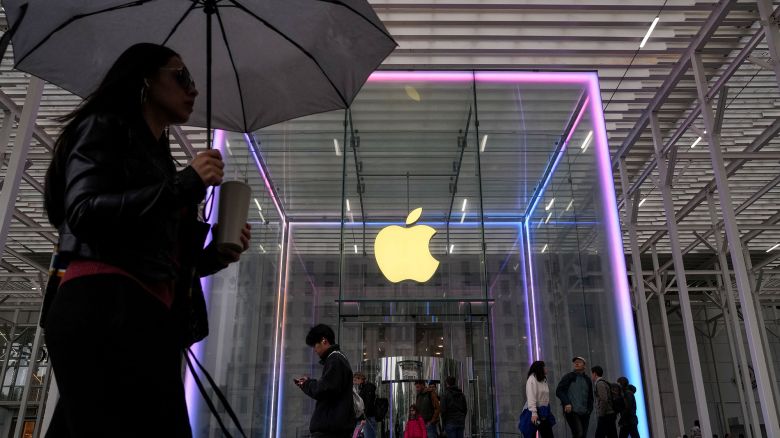
Apple Takes Legal Action Against OpenAI Over Recruitment Practices
In a significant development in the ongoing battle for AI talent, Apple has filed a lawsuit against OpenAI, accusing the...
Business Insider | Jul 10, 2026, 22:50Meta Scraps AI Photo Editing Tool Amid User Outcry
In a swift response to user concerns, Meta has decided to eliminate a contentious feature that enabled alterations of ph...
TechCrunch | Jul 11, 2026, 24:05