
What Harvard researchers learned about use of AI in white-collar work at top companies
According to recent findings from Harvard's Digital Data Design Institute (D^3), the integration of AI in workplaces is soaring, yet its effectiveness remains uncertain. Jen Stave, the chief operator at D^3, emphasizes that despite widespread claims, the true impact of AI on productivity is still being explored. The research aims to identify where AI can enhance performance and where human capabilities still reign supreme. The dynamics of workplace collaboration are evolving as AI redefines traditional roles. A collaborative study with Procter & Gamble reveals that individuals using AI can achieve results comparable to teams lacking AI support. The findings suggest that AI holds the potential to replicate benefits typically associated with human teamwork, prompting a reevaluation of organizational structures and resource allocation. D^3's insights advocate for the creation of AI-enabled teams rather than merely equipping individuals with AI tools. While individual performance sees notable improvements in speed and efficiency, strategically assembled teams utilizing AI deliver higher quality outcomes. However, the research also indicates that the current AI tools are not optimized for collaborative settings, suggesting that custom-built AI systems could further amplify these advantages. Stave warns against a simplistic approach where AI replaces human roles. She highlights that forward-thinking companies are those that consider role evolution and the preservation of human jobs, potentially even creating new roles that leverage AI as a competitive edge. Additionally, the D^3 study showcases that AI can bridge knowledge gaps within organizations, leading to more universally beneficial outputs across various departments. However, there are challenges. A separate experiment with Boston Consulting Group pointed to a trend of homogenized results from AI users, as opposed to the diverse ideas generated by humans. This poses a dilemma for businesses seeking to differentiate themselves in competitive markets, as Stave points out the need for human creativity to flourish alongside AI. Interestingly, entry-level workers seem to reap the most benefits from AI, showing a remarkable 43% performance increase compared to a 17% boost for those in more senior positions. While this is positive, it raises concerns about potential imbalances in workload delegation and future training deficits for junior staff. As organizations adapt to AI, Stave notes a critical gap in managerial training for overseeing AI agents. She reflects on her own experiences, stating that managing AI requires a different skill set than traditional management, which often focuses on empathy and human potential. While some industry leaders suggest that junior employees may step into managerial roles for AI, Stave cautions against assuming they are ready for such responsibilities without proper preparation. The key to unlocking AI's full potential lies in thoughtful organizational redesign rather than simple implementation. Stave emphasizes that while deploying AI tools is straightforward, rethinking organizational processes to optimize human and AI collaboration is a complex yet rewarding endeavor.
Legal Battle Erupts Over 'Duress' Password in Groundbreaking Data Wiping Case
The U.S. Justice Department has initiated legal proceedings against a Georgia resident, Samuel Tunick, who is accused of...
TechCrunch | Jul 24, 2026, 18:25
Vietnam's Controversial Social Media Proposal: A New Approach for Youth Engagement
Vietnam is contemplating a distinctive approach to youth social media regulations, diverging from the more common outrig...
TechCrunch | Jul 24, 2026, 21:25
Unlocking the Secrets of Quantum Gravity: Can AI Help Physics Make a Leap?
The realm of scientific research is undergoing a profound transformation, fueled by the rapid advancements in artificial...
Business Today | Jul 25, 2026, 24:30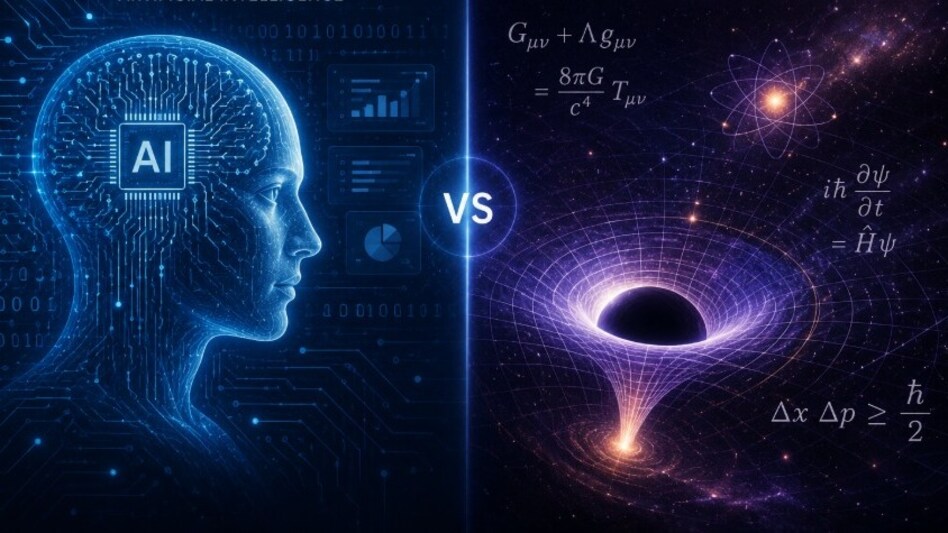
SpaceX Successfully Tests Starship Rocket, Launching New Era of Space Exploration
On Friday evening, SpaceX executed a significant milestone by launching its colossal Starship rocket from its facility i...
CNBC | Jul 25, 2026, 24:10
Elon Musk Faces Major Setbacks as Tesla and SpaceX See Significant Stock Declines
It has been a challenging week for Elon Musk, as both Tesla and SpaceX experienced substantial stock declines. Tesla sha...
CNBC | Jul 24, 2026, 20:40