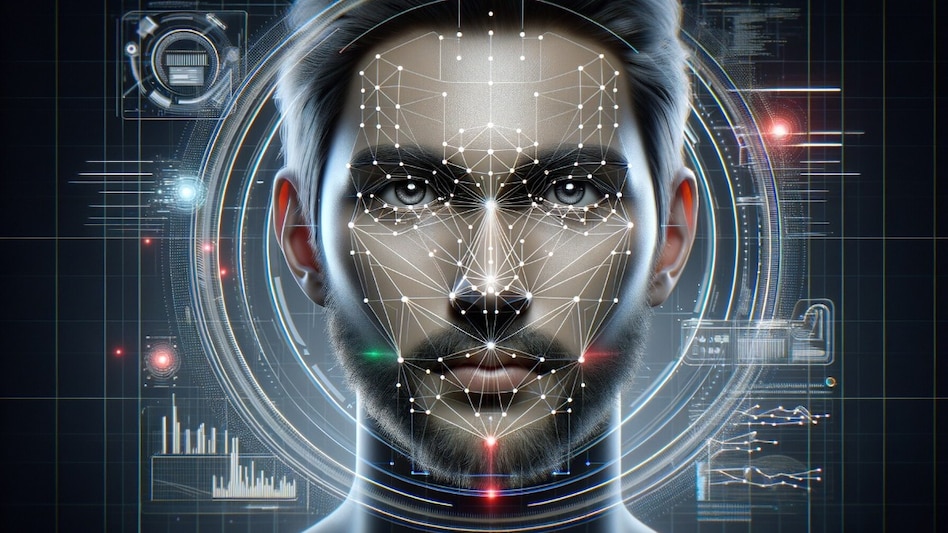
UK to use facial recognition technology in wider immigration enforcement drive
The UK is set to broaden its utilization of live facial recognition technology as part of an intensified effort to enforce immigration laws. This initiative aims to identify individuals who have overstayed their visas, are undocumented, or face deportation. By deploying cameras at transportation hubs and selected public events, concerns regarding privacy and surveillance have emerged. According to reports, documents from the UK Home Office suggest that facial recognition may be employed for various immigration enforcement actions, including civil infractions like visa overstays or unauthorized entry. The technology will match facial images captured by cameras against specific watchlists to pinpoint individuals susceptible to deportation or suspected of immigration-related offenses. Authorities believe that this system could streamline the identification of migrants while minimizing the need for repeated visits to residences and workplaces. This proposed expansion follows the decision by Home Secretary Shabana Mahmood to double the immigration enforcement budget and increase staffing by 60%. These additional resources are anticipated to facilitate tens of thousands more raids, arrests, and deportations. The government has already piloted live facial recognition at Holyhead port in Wales, conducting trials aimed at travelers from Ireland who are under deportation orders or wanted for immigration-related crimes. While the policy documents indicate a move toward formal implementation, the Home Office has yet to disclose which transport hubs or public events will be involved. There are concerns regarding the selection of areas, particularly those perceived to have heightened community sensitivity. Critics are voicing their apprehensions about the potential for increased surveillance among migrant communities and the disproportionate impact on minority ethnic groups, especially given issues related to the accuracy of facial recognition technology and the risk of misidentification. Sarah Lasoye from the Open Rights Group expressed concerns that immigration enforcement and police are taking advantage of the lack of national regulations governing the use of AI technologies, including facial recognition, in the public sector. Furthermore, Griff Ferris, a representative of the Joint Council for the Welfare of Immigrants, cautioned that expanding surveillance in public areas could exacerbate existing anxieties within migrant communities.
Instagram Integrates AI Assistant Muse for Enhanced User Experience
In a significant move, Meta has announced the integration of its AI assistant, Muse, directly into Instagram's direct me...
TechCrunch | Nov 24, 2026, 17:25
Uber and Nuro Kick Off Driverless Trials for Lucid Robotaxis Ahead of 2027 Launch
Uber and Nuro have officially launched their driverless testing phase for the Lucid Gravity SUVs on the streets of the S...
TechCrunch | Nov 24, 2026, 17:15
Megaspeed Faces U.S. Blacklisting Amid Espionage Allegations
Megaspeed, a company formerly led by Alice Huang, is reportedly set to be added to the U.S. Commerce Department's Entity...
TechCrunch | Nov 23, 2026, 21:45
realme P4x 5G vs vivo Y31t 5G: Which Smartphone Offers the Best Bang for Your Buck?
When it comes to choosing between the realme P4x 5G and the vivo Y31t 5G, potential buyers are faced with distinct advan...
Business Today | Nov 24, 2026, 01:50
Emerging AI Chip Design Revolution: A Challenge to Nvidia's Reign
Nvidia, under the leadership of Jensen Huang, faces a significant challenge from the very AI technology it helped to pop...
Business Insider | Nov 24, 2026, 10:10