
Uber wants to turn its millions of drivers into a sensor grid for self-driving companies
Uber is setting its sights on a groundbreaking initiative that transcends its conventional role in ride-sharing. The company envisions a future where its fleet of human drivers' vehicles are equipped with sensors, enabling the collection of valuable real-world data for autonomous vehicle (AV) developers and artificial intelligence (AI) firms focused on physical-world scenarios. This ambitious plan was unveiled by Praveen Neppalli Naga, Uber's chief technology officer, during an interview at the TechCrunch StrictlyVC event in San Francisco. Naga described this concept as a natural progression from the company's recently launched AV Labs, which aims to harness data from a dedicated fleet of sensor-equipped vehicles that Uber operates independently of its driver network. "That is the direction we want to go eventually," Naga stated regarding the integration of human drivers' cars into this data-collection network. However, he acknowledged the need for a deeper understanding of sensor technology and the regulatory landscape that varies across states. Currently, Uber's AV Labs employs its own limited fleet for data gathering, but the potential scale of leveraging millions of drivers' vehicles could revolutionize the data landscape for the AV industry. According to Naga, the primary challenge for AV development has shifted from technology to data availability. He noted that existing AV firms, like Waymo, often struggle to gather the necessary data to train their systems effectively, as they lack the resources to deploy a large number of vehicles for data collection. By positioning itself as a crucial data provider for the AV ecosystem, Uber is making a strategic move, especially after stepping away from its own self-driving car efforts—a decision that co-founder Travis Kalanick has referred to as a significant error. Presently, Uber has established partnerships with 25 AV companies, including London-based Wayve, and is working on what Naga calls an "AV cloud," a repository of labeled sensor data available for its partners to utilize. These partnerships will be further enhanced as Uber plans to invest directly in these companies, allowing them to leverage the platform to test their AI models against real Uber trips in a simulated environment. Naga emphasized that Uber's goal is not to profit from this data but rather to make it accessible to all stakeholders in the AV space. However, given the immense commercial potential of this endeavor, it's uncertain how long Uber will maintain this open approach, especially as it continues to invest in various AV firms and solidify its influence in this emerging sector.
Unlocking the Secrets of Quantum Gravity: Can AI Help Physics Make a Leap?
The realm of scientific research is undergoing a profound transformation, fueled by the rapid advancements in artificial...
Business Today | Jul 25, 2026, 24:30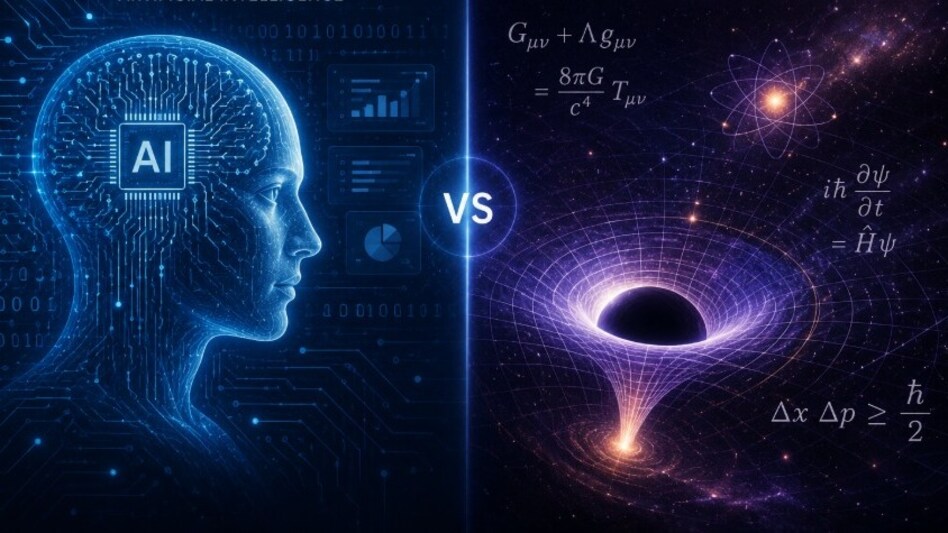
SpaceX Successfully Tests Starship Rocket, Launching New Era of Space Exploration
On Friday evening, SpaceX executed a significant milestone by launching its colossal Starship rocket from its facility i...
CNBC | Jul 25, 2026, 24:10
The Boring Company Eyes $4 Billion Funding Boost Amid Expanding Tunnel Ventures
Elon Musk's tunneling enterprise, The Boring Company, is reportedly negotiating a substantial funding round of $4 billio...
TechCrunch | Jul 25, 2026, 19:50
Vision Breakthrough: US Startup Launches Groundbreaking Retina Chip in Europe
Science Corp is poised to introduce a revolutionary retina chip in Europe, designed to restore partial vision for indivi...
Business Today | Jul 25, 2026, 01:00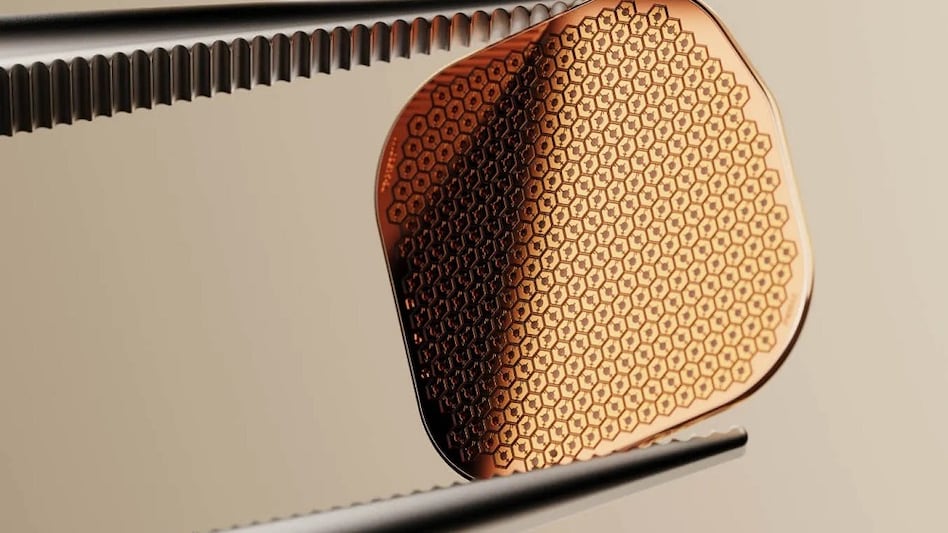
OpenAI's Micro Keypad: A Novelty for Coders or Just a Confounding Gadget?
Last week, OpenAI made its debut in the hardware landscape with the launch of Micro, a stylish keypad designed to integr...
TechCrunch | Jul 25, 2026, 24:40