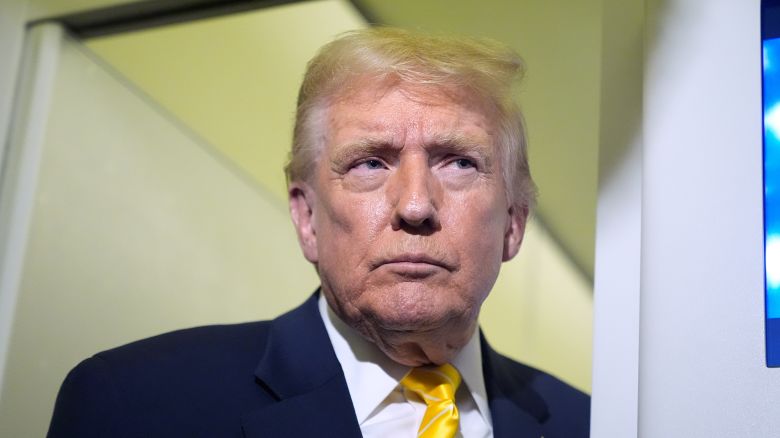
Trump renews effort to block states from regulating AI, raising alarms about safety
Former President Donald Trump is pushing a new initiative to prevent states from imposing regulations on artificial intelligence (AI), a move that has sparked alarms among advocates for tech safety and lawmakers across the political spectrum. The proposed executive order instructs the U.S. attorney general to form an AI Litigation Task Force aimed at challenging state laws and replacing them with a more lenient federal policy. The rapid evolution of AI technology has already seen minimal regulatory oversight, impacting a wide array of areas from personal relationships to healthcare and law enforcement. In response to the lack of comprehensive federal legislation, several states have enacted laws designed to mitigate potentially harmful uses of AI, such as deceptive deepfakes and discriminatory hiring algorithms. Critics argue that unchecked AI companies could evade responsibility for any harm caused to consumers. In response to concerns, a White House representative stated that discussions about potential executive orders are still speculative until formally announced. The draft order reflects sentiments expressed by some in the tech industry, including OpenAI's CEO Sam Altman, who contend that a fragmented legal landscape across states could hinder innovation and undermine U.S. competitiveness. The draft emphasizes a national policy aimed at maintaining America’s leadership in AI with minimal regulatory burdens. Trump has also suggested incorporating a ban on state AI regulations into the National Defense Authorization Act. This comes after Congress previously rejected a Republican effort to impose a moratorium on state AI regulations. The U.S. Senate had nearly unanimously removed a provision from Trump’s domestic policy bill that would have enforced such a ban. Despite some support from parts of Silicon Valley, the proposal faces significant backlash as fears about AI safety intensify. Recent reports have underscored the potential risks associated with AI, including its impact on mental health and its role in enabling harmful online behaviors. Companies like OpenAI and Meta are facing scrutiny over their efforts to restrict access for younger users to adult content via AI. Florida Governor Ron DeSantis criticized the federal initiative as an overreach, arguing that it undermines states' ability to regulate AI and protect citizens from various risks, including online predation and data privacy violations. Democratic Senator Ed Markey also condemned the Republican strategy to covertly embed AI regulation moratoriums within defense legislation, accusing Trump of standing with wealthy tech interests instead of the public. This renewed effort comes on the heels of a White House dinner hosted by Trump, attended by prominent figures from the AI industry, including Elon Musk and Nvidia's CEO Jensen Huang. Hundreds of organizations, including labor unions and consumer advocacy groups, have expressed their opposition to the proposed federal restrictions, emphasizing the importance of state regulations in safeguarding public interests. Advocates like Alejandra Montoya-Boyer and J.B. Branch have voiced concerns that the draft executive order prioritizes corporate interests over the protection of individuals, especially given the rising instances of AI-related scams and mental health crises linked to technology.
Microsoft's Nadella Advocates for AI Fairness Amidst Industry Concentration
Satya Nadella, the CEO of Microsoft, has issued a stark warning about the concentration of power in the artificial intel...
Business Today | Jun 22, 2026, 07:15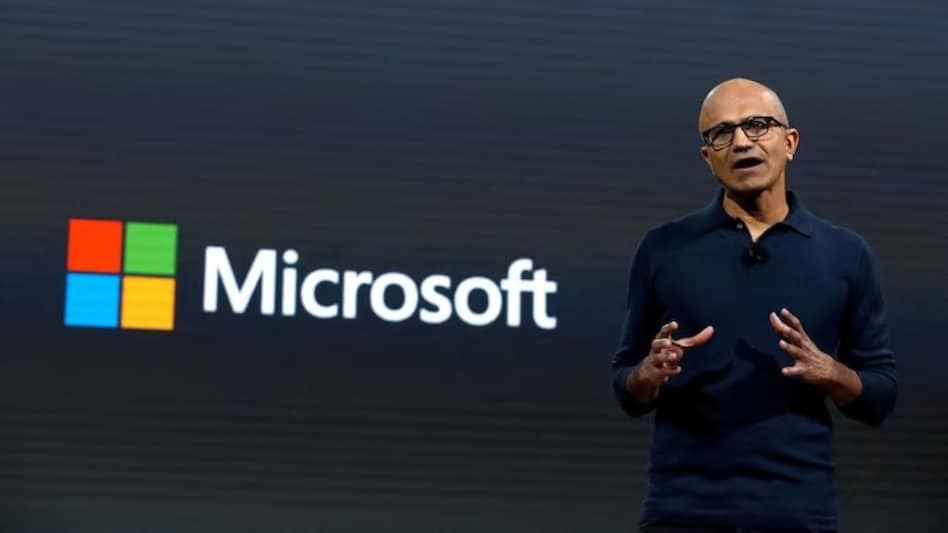
AI Tools Reduce Collaboration Among Programmers, Says Anthropic Leader
The rise of AI in programming has led to unexpected consequences, particularly in the realm of collaboration among engin...
Business Insider | Jun 22, 2026, 09:45GLM-5.2: The Open-Source AI Model Stirring Silicon Valley's Competitive Spirit
A new artificial intelligence model emerging from China is causing waves in Silicon Valley, reminiscent of the impact ma...
Business Insider | Jun 21, 2026, 20:05Sundar Pichai's Three Filters for Navigating Life and Career Choices
During a recent commencement speech at Stanford University, Google CEO Sundar Pichai advised the graduating Class of 202...
Business Today | Jun 22, 2026, 09:05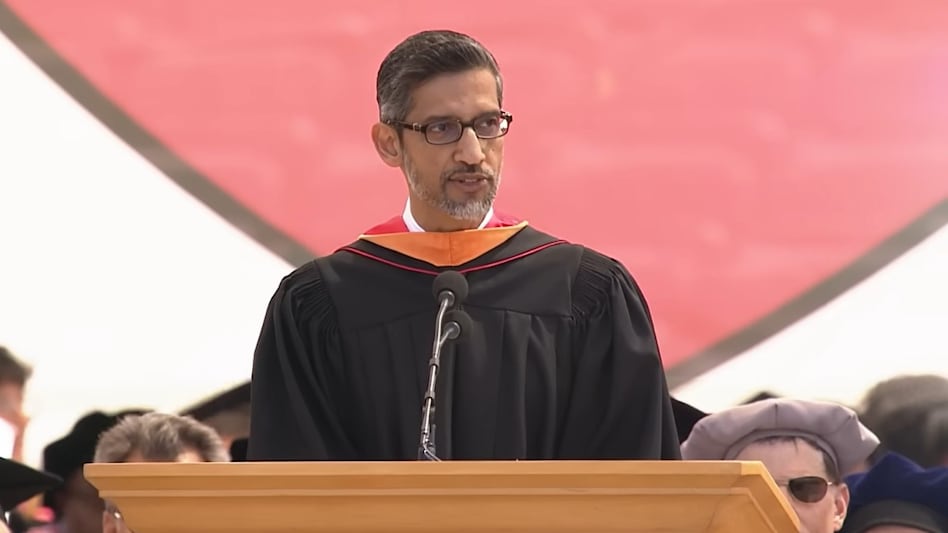
Tragic Loss in Gaming: Claude Guillemot, Ubisoft Co-Founder, Dies in Plane Crash
Claude Guillemot, the esteemed co-founder of the renowned French video game company Ubisoft, tragically passed away on F...
TechCrunch | Jun 21, 2026, 18:55