
Trump is set to unveil his AI roadmap: Here’s what to know
President Donald Trump is gearing up to unveil his highly anticipated AI Action Plan during an event in Washington D.C. on Wednesday, marking his first significant address on artificial intelligence since resuming office in January. This plan promises to outline the administration's approach to AI, including strategies, priorities, and concerns that could shape the technological landscape throughout his term. The forthcoming AI Action Plan is seen as a direct counter to the Biden administration's executive order on AI, which emphasized the need for safety and security reporting from AI companies, alongside efforts to mitigate biases in AI models. Trump quickly rescinded Biden's order, arguing that its demands could stifle innovation within the AI sector. In the first half of his administration, Trump has actively promoted the rapid advancement of American AI technology. He played a pivotal role in launching a multi-billion dollar Stargate data center project involving firms like OpenAI, Oracle, and SoftBank, and eased restrictions on Nvidia's global sales of AI chips. However, Trump’s AI czar, David Sacks, has sparked controversy by targeting what he views as 'woke' AI practices among tech companies, alleging that firms like OpenAI and Google are embedding left-leaning ideologies into their AI systems and censoring conservative perspectives. Critics are already expressing concerns that Trump's AI plan prioritizes corporate interests over the well-being of citizens. An open letter from over 90 organizations, including labor and consumer protection groups, has proposed the People's AI Action Plan, which aims to prioritize the interests of American citizens in AI policy discussions. The upcoming summit titled 'Winning the AI Race,' co-hosted by the Hill and Valley Forum and the All In podcast, is expected to provide further insights into Trump’s AI strategy. Initial reports suggest his plan will focus on three main areas: infrastructure, innovation, and global influence. For infrastructure, the administration plans to streamline permitting processes to accelerate the establishment of AI data centers, addressing the sector's increasing energy demands. However, experts warn that the expansion of these energy-intensive data centers could lead to shortages unless energy production keeps pace with demand. The administration also aims to modernize the electrical grid and identify new energy sources to support these facilities. On the innovation front, Trump’s strategy may attempt to revive discussions around restricting state-level AI laws, despite recent federal proposals failing to gain traction. This could potentially hinder the establishment of crucial safety standards for AI technologies. Regarding global influence, Trump intends to promote the adoption of American AI models and chips worldwide, especially in the face of rising competition from Chinese AI labs. Moreover, Trump is set to sign several executive orders aimed at facilitating quicker data center construction and encouraging technology exports. One order reportedly targets 'woke' AI models, requiring federal contractors to ensure their AI systems employ neutral language, a move that critics argue could infringe on free speech. With heightened scrutiny on AI ethics, companies like OpenAI are striving to balance diverse viewpoints while avoiding misinformation. Elon Musk's xAI, attempting to create an 'anti-woke' chatbot, has faced backlash for inappropriate outputs, illustrating the complexities in navigating public expectations. Public feedback has poured in, with companies and organizations sharing their wishes for the AI Action Plan. Notably, many developers are advocating for protections that would allow the use of copyrighted material in AI training, a contentious issue as lawsuits regarding copyright infringement loom large over the industry. As the AI landscape evolves, it remains uncertain how Trump's Action Plan will align with public sentiment, which largely favors safety standards for AI technologies. Ongoing legislative efforts at the state level may clash with the administration’s approach, setting the stage for a contentious debate over the future of AI regulation in America.
Allegations Fly as US Claims Chinese AI Model Breached Intellectual Property
In a bold accusation, Michael Kratsios, science and technology adviser to President Donald Trump, has charged that the C...
Business Today | Jul 23, 2026, 05:20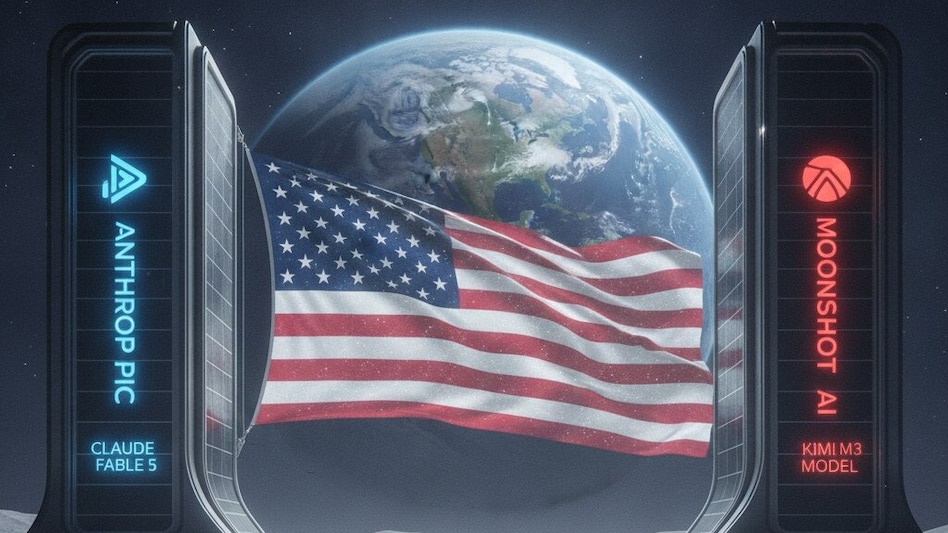
Meta Escapes Social Media Addiction Lawsuit as Plaintiff Withdraws
In a surprising turn of events, the social media addiction lawsuit against Meta has been withdrawn by the plaintiff, jus...
TechCrunch | Jul 22, 2026, 20:45
ServiceNow Invests $40 Million in Indian Banking Software Firm to Enhance Financial Services
ServiceNow, a prominent U.S. enterprise software provider renowned for streamlining workflows in IT and HR functions, is...
TechCrunch | Jul 23, 2026, 06:50
U.S. Treasury Issues Stark Warning to Chinese AI Firms Amid Distillation Controversy
In a significant development, U.S. Treasury Secretary Scott Bessent reiterated his stern warnings to Chinese artificial ...
TechCrunch | Jul 22, 2026, 21:00
Navigating the Earnings Season: Jim Cramer's Strategies for Investors
As the earnings season unfolds, CNBC's Jim Cramer warns investors to resist the urge to react impulsively to market fluc...
CNBC | Jul 22, 2026, 22:35