
Trump signs executive order blocking states from enforcing their own regulations around AI
On Thursday, President Donald Trump enacted an executive order aimed at preventing states from imposing their own regulations on artificial intelligence. This action is intended to establish a cohesive national framework for AI governance across the United States. White House aide Will Scharf described the order as a necessary step to ensure that AI operates under a unified set of guidelines, rather than being hindered by varying state regulations that could stifle growth in the emerging sector. The implications of this order are significant, as AI technology continues to play a pivotal role in the economy and financial markets, despite still being largely unregulated. During the signing ceremony, David Sacks, the White House official overseeing crypto and AI initiatives, articulated the administration's commitment to collaborating with Congress to develop a comprehensive federal framework. He noted that the executive order would empower the administration to counteract excessive state regulations that might hinder AI's advancement. However, Sacks clarified that the administration would not interfere with state regulations focused on child safety related to AI. This move follows a previous attempt by Republicans to impose a nationwide ban on state-level AI regulations, which was rejected by Congress in July. The Senate nearly unanimously voted to discard a 10-year moratorium on enforcing state AI rules from Trump's broader domestic policy initiative. Additionally, lawmakers opted against incorporating an AI moratorium into the National Defense Authorization Act, despite Trump's suggestion. In Silicon Valley, industry leaders like OpenAI's CEO Sam Altman have raised concerns that a fragmented regulatory landscape could hinder innovation and undermine the U.S.'s competitive edge in the global AI arena, particularly against China. Critics of the deregulation push fear it may allow AI firms to avoid accountability, potentially putting consumers at risk. As artificial intelligence increasingly influences various aspects of daily life—from personal interactions to healthcare and law enforcement—there has been minimal oversight. In the absence of comprehensive federal law, some states have taken it upon themselves to enact regulations addressing the dangers of AI, such as misleading deepfakes and discriminatory hiring practices. The discourse surrounding AI regulation has revealed divisions within the tech industry and the Republican Party. Some administration officials, including Sacks and Vice President JD Vance, advocate for a more lenient regulatory approach, while others, such as Florida Governor Ron DeSantis and former White House strategist Steve Bannon, support maintaining state-level regulations to ensure safety and accountability in this rapidly evolving technology.
Unlocking the Secrets of Quantum Gravity: Can AI Help Physics Make a Leap?
The realm of scientific research is undergoing a profound transformation, fueled by the rapid advancements in artificial...
Business Today | Jul 25, 2026, 24:30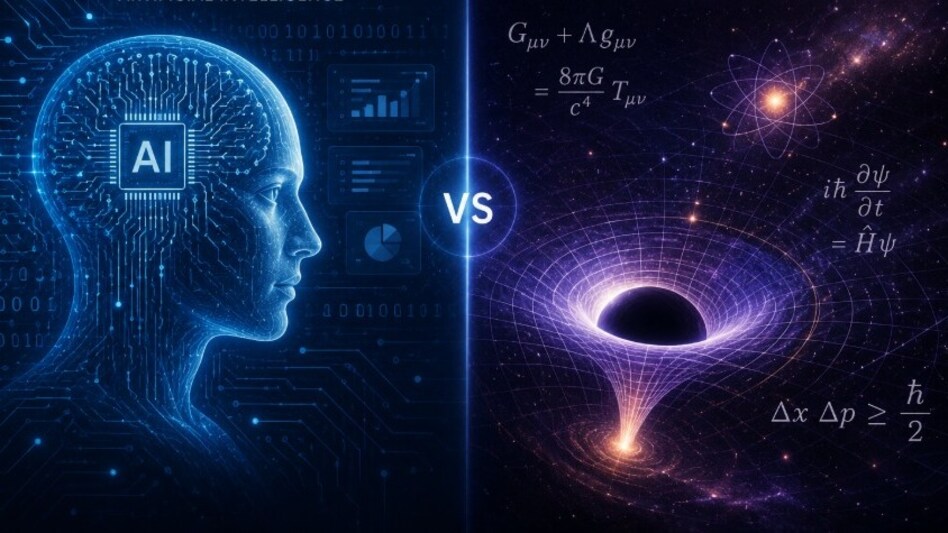
Shifting Focus: The Cost-Effectiveness of AI Models Takes Center Stage
In recent years, the AI sector has been intensely focused on identifying the most advanced models. While this pursuit re...
Business Insider | Jul 25, 2026, 13:10The Elusive Phineas Fisher: The Hacktivist Who Took Down Spyware Giants
In the realm of cybersecurity, few figures are as intriguing as Phineas Fisher, a hacker who has evaded capture for near...
TechCrunch | Jul 25, 2026, 21:00
Market Turbulence: Four Key Factors Impacting Stocks This Week
This past week has been challenging for the stock market, driven by several significant forces that have created turbule...
CNBC | Jul 25, 2026, 20:05
Crisis Averted: Power Line Failure Highlights Urgent Need for Data Center Resilience
A power line failure near Washington, DC, recently showcased a significant challenge faced by the electrical grid due to...
TechCrunch | Jul 25, 2026, 13:50