
Trump’s EPA plans to ignore health affects of air pollution
The Environmental Protection Agency (EPA), a federal agency established during Richard Nixon's presidency, has historically assigned a monetary value to human life to justify pollution control measures. This approach allowed for a cost-benefit analysis, weighing the economic advantages of reducing pollution against its associated costs. However, a new report suggests that the Trump administration intends to abandon this decades-old practice. If the EPA proceeds with this shift, it will no longer factor in the value of human health when regulating pollutants such as ozone and fine particulate matter (PM2.5). The dangers of air pollution have been well-documented for years, serving as a key rationale for the EPA's establishment. Ozone, when found high in the atmosphere, protects against harmful UV rays; however, its presence at ground level—often resulting from emissions from vehicles and power plants—can lead to dangerous smog, particularly harmful to vulnerable populations. PM2.5 poses an even greater threat, with recent studies linking it to a wide array of health issues, including asthma, cardiovascular diseases, and neurodegenerative disorders like Alzheimer’s and Parkinson’s. Alarmingly, exposure to PM2.5 has even been associated with low birth weights in infants, affecting the most vulnerable among us. Globally, fine particulate matter pollution is responsible for an estimated 10 million deaths each year. This proposed policy change comes at a time when data centers are increasingly relying on less clean energy sources. For instance, Elon Musk’s xAI has reportedly utilized numerous unpermitted natural gas turbines to power its Colossus data center in Memphis, Tennessee—a location already noted as an “asthma capital” due to its existing pollution challenges. The U.S. Chamber of Commerce has expressed support for this regulatory shift, with Mary Durbin, president of the chamber’s Global Energy Institute, stating her appreciation for the administration's efforts to reevaluate regulations with a more pragmatic lens.
Vietnam's Controversial Social Media Proposal: A New Approach for Youth Engagement
Vietnam is contemplating a distinctive approach to youth social media regulations, diverging from the more common outrig...
TechCrunch | Jul 24, 2026, 21:25
Unlocking the Secrets of Quantum Gravity: Can AI Help Physics Make a Leap?
The realm of scientific research is undergoing a profound transformation, fueled by the rapid advancements in artificial...
Business Today | Jul 25, 2026, 24:30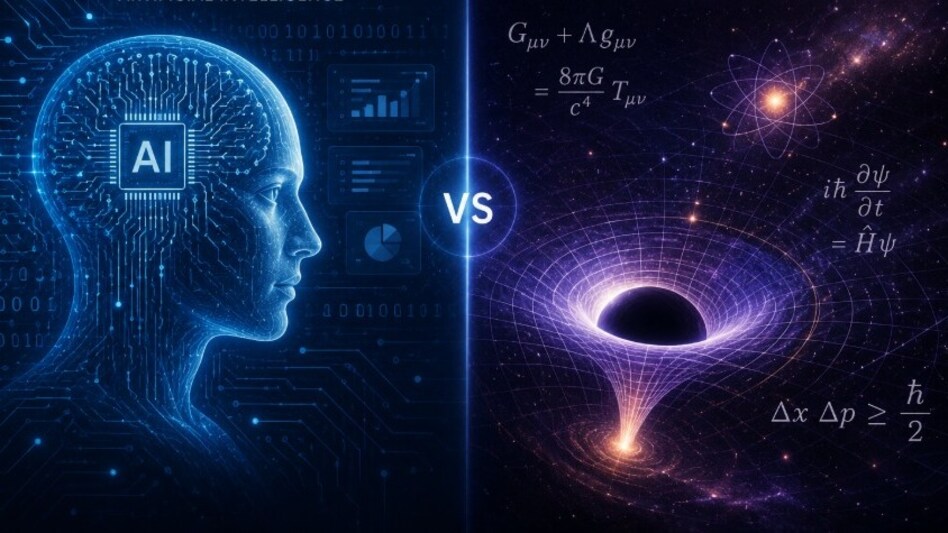
Waymo to Launch Standalone App, Ending Exclusivity with Uber in Major Cities
For the past three years, Uber and Waymo, the autonomous vehicle division of Alphabet, have collaborated to provide driv...
CNBC | Jul 24, 2026, 21:55
Alphabet Takes the Lead in AI Investment Amid Industry Competition
In a bold move that underscores its commitment to artificial intelligence, Alphabet has significantly ramped up its spen...
CNBC | Jul 24, 2026, 19:45
The High Stakes of Young Entrepreneurship: Balancing Ambition and Pressure
At just 19, Arlan Rakhmetzhanov embodies the relentless spirit of youth entrepreneurship. He believes there’s no in-betw...
TechCrunch | Jul 24, 2026, 17:40