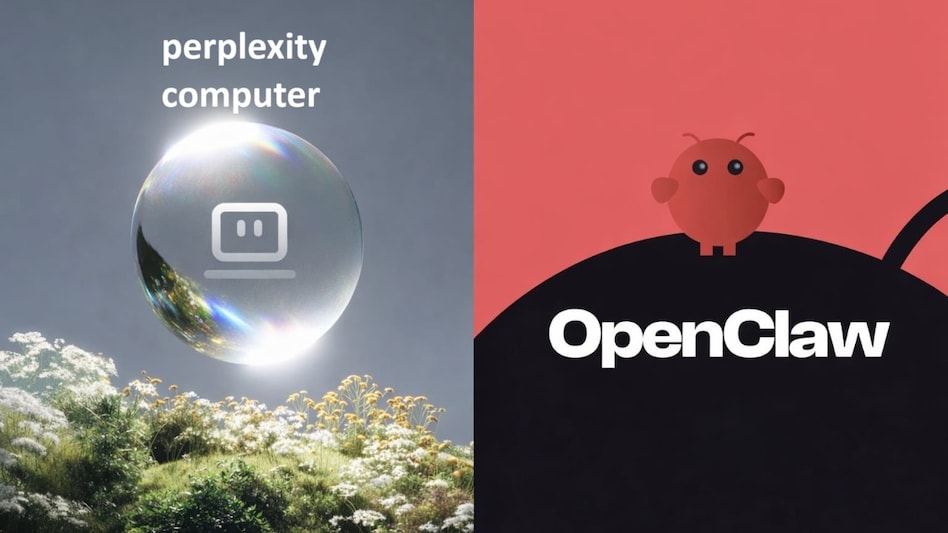
Perplexity Computer wants to be your digital employee. Here’s how it stacks up against OpenAI's OpenClaw
Perplexity AI has launched an innovative artificial intelligence tool called Perplexity Computer, which is designed to transcend traditional chatbots and function as a digital employee. This cutting-edge system operates less like a mere search engine and more like an autonomous worker capable of planning, executing, and delivering complex projects with minimal oversight. The introduction of Perplexity Computer comes during a pivotal shift towards 'agentic AI,' which emphasizes systems that can take proactive actions on behalf of users rather than just responding to inquiries. In an intriguing twist, an open-source alternative named OpenClaw has emerged, offering similar functionalities that operate locally on users' machines without reliance on cloud services. OpenAI's acquisition of OpenClaw has intensified the competition among companies striving to create autonomous AI agents. Perplexity Computer serves as a versatile digital worker that goes beyond providing isolated answers. Users can initiate tasks by articulating goals in straightforward language, such as requesting a comprehensive report on AI startups in India. The AI system intelligently breaks down these objectives into manageable tasks, allocating them to specialized sub-agents that function collaboratively. One sub-agent might scour the internet for relevant data, while another analyzes datasets, and a third compiles the final report. This intricate process takes place within a secure cloud environment, allowing tasks to run asynchronously over extended periods—whether hours, days, or even months. What sets Perplexity Computer apart is its use of a multi-model approach, integrating various AI models based on their individual strengths. This orchestration allows for enhanced performance in complex workflows, contrasting with many AI tools that rely solely on a single model. By leveraging the unique capabilities of different systems—be it reasoning, coding, or visual processing—Perplexity aims to deliver superior results. Additionally, Perplexity Computer is designed to interact with real software, going beyond text generation. It can navigate websites, complete online forms, extract information, and automate intricate processes. The system even facilitates file management, enabling users to open, edit, and read various documents like spreadsheets and PDFs. Security measures are in place, requiring user approval for sensitive actions and limiting credentials to individual sessions to ensure data protection. Users can access these features through a paid subscription model that includes usage credits, all while enjoying the benefits of cloud computing without the need for advanced hardware. In stark contrast, OpenClaw adopts an entirely different philosophy by functioning as an open-source project that operates locally on the user's computer. This approach connects the local machine to external AI models such as Claude or GPT, enabling tasks such as messaging, web browsing, or file editing directly on the device. While this local setup benefits privacy-conscious users by keeping data on their system, it also places the onus of installation, security, and performance management on the user. Setting up OpenClaw requires technical know-how, and misconfigurations can pose risks. The divergence between Perplexity Computer and OpenClaw highlights a critical tension in the burgeoning AI agent market: convenience versus control. Perplexity offers a streamlined, user-friendly experience, where users can simply state their needs and allow the system to handle the details using cloud resources. Conversely, OpenClaw champions user autonomy, giving individuals full ownership of their data and infrastructure while also demanding they manage the associated risks. Both Perplexity Computer and OpenClaw signal a transformative shift in the landscape of AI systems, combining reasoning and action to manage entire workflows rather than just automating isolated tasks. Perplexity envisions a future dominated by robust cloud-based agents acting as digital employees, whereas OpenClaw presents an alternative where users operate their own AI assistants locally, much like personal aides.
Amazon Optimizes Alexa's AI Costs by Shifting from Anthropic Models
In a strategic move to cut expenses, Amazon has restructured the way its AI-powered voice assistant, Alexa, operates, re...
Business Insider | Jul 23, 2026, 09:05China's Chipmaker Sparks Crypto Frenzy Ahead of Historic IPO
As China's leading memory chip manufacturer, ChangXin Memory Technologies (CXMT), gears up for its highly anticipated IP...
CNBC | Jul 23, 2026, 03:35
Revolutionizing Email: A New AI App Aims to Dethrone Gmail
In a bold move to transform the way we handle emails, two ambitious 23-year-old Swedes have introduced Scape, a desktop ...
Business Insider | Jul 23, 2026, 09:15Amazon's AGI Team Faces Job Cuts Amid Ongoing Restructuring
In July, Amazon has initiated further job cuts within its artificial general intelligence (AGI) division as part of its ...
Business Today | Jul 23, 2026, 06:15
OpenAI Sets Its Sights on Legal Tech: A New Era for Attorneys
OpenAI is stepping into the legal tech arena, shifting its focus from merely empowering startups to directly engaging wi...
Business Insider | Jul 23, 2026, 09:05