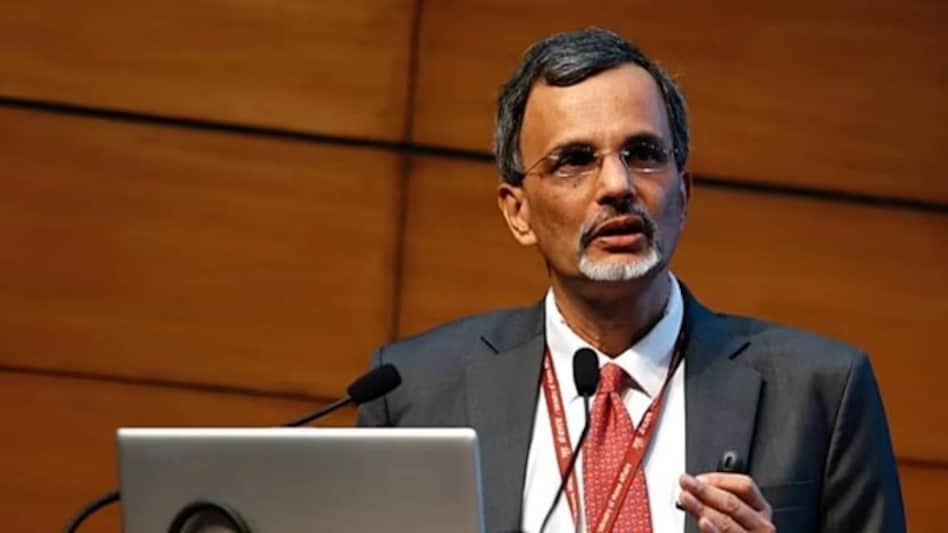
India's GCCs moved from cost to capability, but ‘routine’ jobs are exposed to AI; CEA Anantha Nageswaran
India is home to over 2,100 Global Capability Centres (GCCs), which collectively employ approximately 2.3 million individuals and generate significant revenue, surpassing $64 billion. According to Chief Economic Adviser Dr. V. Anantha Nageswaran, this figure is expected to exceed $100 billion soon. Speaking at the CII GCC Business Summit 2026, he highlighted a remarkable transition in these centres from low-cost operations to vital hubs focused on engineering, product development, and artificial intelligence. Nageswaran stated, "These centres first came to India for cost. They stayed for capability," underscoring the evolution from mere support roles to strategic locations where major global decisions are made. Remarkably, India hosts about half of all GCCs worldwide, a feat unmatched by any other nation. Among these, over 1,200 are engaged in significant AI and machine learning initiatives. Addressing the potential impact of AI on employment, Nageswaran recognized that routine and repetitive roles are at risk of being automated. However, he believes that India's GCC landscape has progressed beyond such basic tasks. "Part of the old model is indeed exposed. The work that was routine, repetitive and rule-bound is exactly the work that AI does most easily and most cheaply," he noted. Despite the disruption, he emphasized that AI will boost demand for skilled professionals who can develop, implement, test, and manage AI systems. "Artificial intelligence does not build, deploy or govern itself. Someone has to design these systems. Someone has to train them, test them, correct them, and hold them to account," he asserted. Instead of seeing AI as a threat, Nageswaran views it as an opportunity for GCCs, stating, "AI does not empty these centres. In well-run centres, it enhances the value of each employee." However, he warned that organizations failing to adapt to this technological shift risk stagnation. "The centres that stand still will suffer. The centres that move up will thrive," he cautioned. Moreover, Nageswaran called for greater collaboration among government, industry, and academia to address India's employability gap. He pointed out that while the nation produces a large number of graduates annually, only about half are job-ready upon graduation. He stressed the need for government policies that foster innovation, stating, "Government can build the runway. It cannot fly the plane."
Finland Unveils World's Largest Sand Battery to Tackle Renewable Energy Challenges
In a groundbreaking move to address the critical issue of renewable energy intermittency, a small town in southern Finla...
CNBC | Jul 25, 2026, 05:35
Crisis Averted: Power Line Failure Highlights Urgent Need for Data Center Resilience
A power line failure near Washington, DC, recently showcased a significant challenge faced by the electrical grid due to...
TechCrunch | Jul 25, 2026, 13:50
Vietnam's Controversial Social Media Proposal: A New Approach for Youth Engagement
Vietnam is contemplating a distinctive approach to youth social media regulations, diverging from the more common outrig...
TechCrunch | Jul 24, 2026, 21:25
SpaceX's Latest Starlink Launch Marks Milestone Amid Booster Setbacks
On Friday, SpaceX marked a significant achievement by successfully launching its first batch of third-generation Starlin...
TechCrunch | Jul 24, 2026, 23:40
SpaceX Successfully Tests Starship Rocket, Launching New Era of Space Exploration
On Friday evening, SpaceX executed a significant milestone by launching its colossal Starship rocket from its facility i...
CNBC | Jul 25, 2026, 24:10