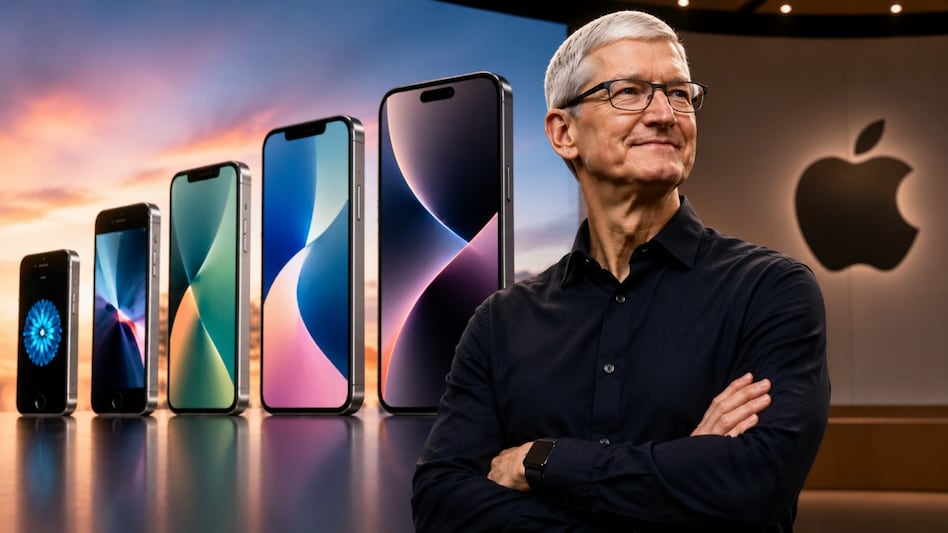
How Tim Cook introduced larger iPhone screens and changed Apple’s smartphone strategy
Under Tim Cook's leadership, Apple dramatically redefined its smartphone strategy, moving away from the smaller screens that characterized its devices during Steve Jobs' era. This pivotal shift was largely in response to the evolving smartphone landscape, where Android competitors began offering larger displays, capturing the attention of consumers. Initially, Apple made modest adjustments, but soon expanded its range to include multiple screen sizes across its iPhone lineup. This strategic decision not only provided customers with more choices but also allowed Apple to compete more effectively in a market increasingly dominated by larger-screen smartphones. The first major step in this new direction came with the launch of the iPhone 5, featuring a 4-inch display—an increase from the 3.5-inch screens of previous models. This change was significant for Apple, which had maintained a consistent display size over several generations. The introduction of the iPhone 5 marked a crucial response to the growing trend of larger screens among Android devices, reflecting shifting consumer preferences. In 2014, Apple further embraced this trend with the release of the iPhone 6 and iPhone 6 Plus. The iPhone 6 boasted a 4.7-inch display, while the iPhone 6 Plus introduced a substantial 5.5-inch screen, a bold move that marked a departure from Apple’s previous strategy of offering only one screen size. This dual-model approach not only catered to diverse customer preferences but also positioned Apple competitively against Android phones, which had already popularized larger displays. The evolution of display technology continued under Cook's guidance, with Apple transitioning its premium iPhones from LCD to OLED screens and incorporating Face ID technology with the iPhone X, moving away from the earlier Touch ID system. This shift toward larger displays extended beyond the iPhone; in 2015, Apple launched the first iPad Pro, further diversifying its tablet offerings. These changes illustrate a significant evolution in Apple’s hardware strategy, as the company increasingly focused on providing a variety of sizes and configurations to meet the changing demands of consumers and to stay competitive in the marketplace.
Threads Expands to iPad with New Cashtag Feature to Rival X
Meta's Threads app has officially launched a dedicated version for iPad, marking a significant milestone in its developm...
TechCrunch | Nov 24, 2026, 18:00
LinkedIn CEO Highlights Gen Z's Potential Edge in AI-Driven Job Market
As the job landscape becomes increasingly challenging for young professionals, LinkedIn's CEO, Daniel Shapero, suggests ...
Business Today | Nov 25, 2026, 24:25
Anthropic's Stock Plummets, Raising Concerns for the AI Sector
Shares of Anthropic have dipped below their initial public offering (IPO) price of $83, reaching a low of $76 by midday ...
TechCrunch | Nov 24, 2026, 18:45
Maple Secures $5.3 Million to Revolutionize Data Privacy in AI
As artificial intelligence becomes increasingly capable of accessing sensitive information such as files, emails, and ca...
TechCrunch | Nov 24, 2026, 21:30
Jensen Huang Opens Up at Nvidia's All-Hands Meeting: A Journey of Redemption
In a heartfelt address during Nvidia's first all-hands meeting since his reinstatement, founder Jensen Huang shared his ...
TechCrunch | Nov 24, 2026, 22:20