Who is Ronald Wayne? The Apple co-founder who gave up a $400 billion fortune
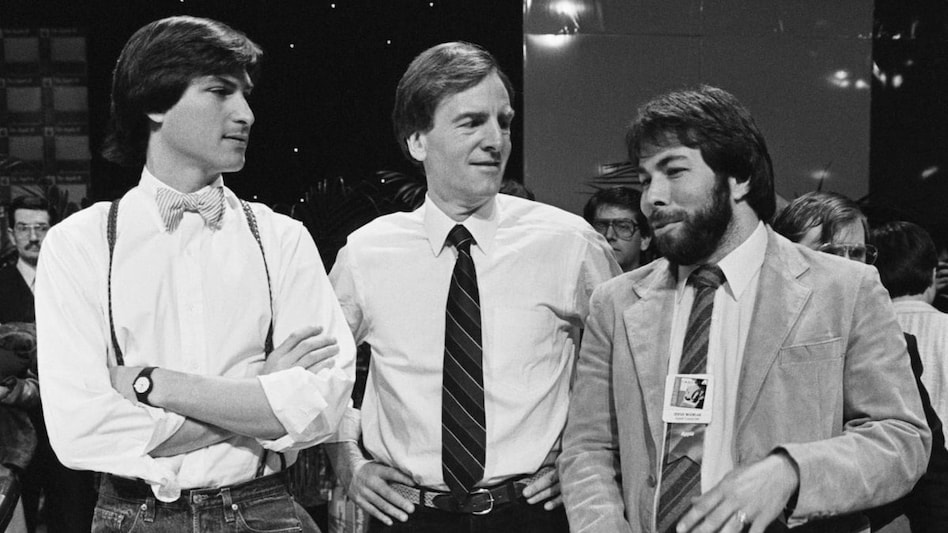
In April 1976, during the inception of what would evolve into one of the world's most valuable corporations, Ronald Wayne played a pivotal yet fleeting role. The co-founder of Apple, he was involved for less than two weeks, but the stakes were monumental. Today, as Apple's valuation nears $4 trillion, the 10% equity he once held could have translated into hundreds of billions of dollars. Despite this, Wayne remains resolute that his decision to leave was the right one. At the time, Steve Jobs and Steve Wozniak were energetic visionaries in their twenties, brimming with ambition but lacking the experience in business operations. In contrast, Wayne, who was already in his forties, had prior experience working with Jobs at Atari. While he did not possess the same engineering mindset, his contributions were critical; he provided the necessary structure during Apple’s formative days. Wayne was responsible for drafting the original partnership agreement that established Apple Computer Company on April 1, 1976, allocating 45% ownership to both Jobs and Wozniak, while he retained the remaining 10%. He also played an essential role in melding Jobs' business acumen with Wozniak's technical expertise, serving as what he described as the 'adult in the room.' Wayne's influence extended to branding as well; he designed Apple’s initial logo, a complex illustration of Isaac Newton beneath an apple tree, which starkly contrasts with the minimalist emblem the brand is recognized for today. However, Wayne's tenure at Apple lasted a mere 12 days. The crux of his departure was rooted in the high-risk nature of the business. Apple was structured as a general partnership, making all three founders personally liable for any debts incurred. For Jobs and Wozniak, who had little to lose at that point, the risk was manageable. For Wayne, however, the stakes were too high; he had personal assets and savings that were on the line. When faced with financial uncertainty, particularly as the company needed to take on debt to fulfill its early orders, Wayne opted for caution. He sold his 10% stake for just $800 and later accepted an additional $1,500 to relinquish any future claims to the company. With Apple now one of the most valuable entities in history, Wayne's early exit is often seen as one of the most costly decisions ever made. Estimates suggest that his 10% stake could now be valued at over $400 billion, positioning him among the wealthiest individuals globally. Yet, Wayne does not view it through that lens. He has consistently expressed that he made the only decision that felt prudent at the time. He has suggested that remaining with the company would have subjected him to ongoing stress and financial risk, choosing instead to avoid becoming 'the richest man in the cemetery.' Now in his nineties, Wayne resides in Nevada and has chosen a life of stability, contrasting sharply with the soaring heights achieved by Jobs and Wozniak.
Finland Unveils World's Largest Sand Battery to Tackle Renewable Energy Challenges
In a groundbreaking move to address the critical issue of renewable energy intermittency, a small town in southern Finla...
CNBC | Jul 25, 2026, 05:35
Unleashing the Power of AI: The 5 Smartphones Redefining Mobile Photography
Artificial Intelligence (AI) is transforming our daily experiences, permeating various aspects of technology, including ...
Business Today | Jul 26, 2026, 07:05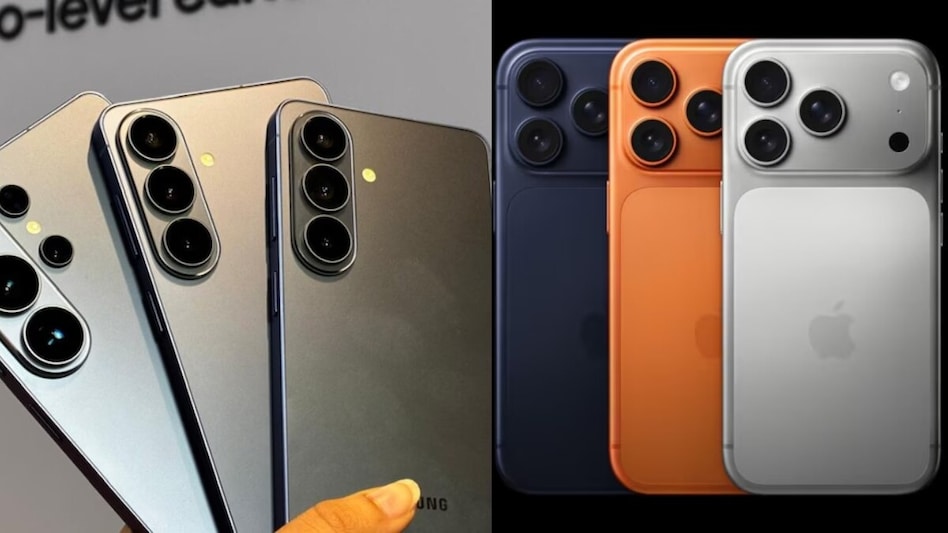
The Boring Company Eyes $4 Billion Funding Boost Amid Expanding Tunnel Ventures
Elon Musk's tunneling enterprise, The Boring Company, is reportedly negotiating a substantial funding round of $4 billio...
TechCrunch | Jul 25, 2026, 19:50
Crisis Averted: Power Line Failure Highlights Urgent Need for Data Center Resilience
A power line failure near Washington, DC, recently showcased a significant challenge faced by the electrical grid due to...
TechCrunch | Jul 25, 2026, 13:50
Vision Breakthrough: US Startup Launches Groundbreaking Retina Chip in Europe
Science Corp is poised to introduce a revolutionary retina chip in Europe, designed to restore partial vision for indivi...
Business Today | Jul 25, 2026, 01:00