You’re likely already infected with a brain-eating virus you’ve never heard of
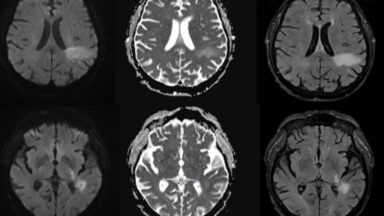
A potentially life-threatening virus that many people may not even know they harbor could be lurking within them, with estimates suggesting that it may infect up to 90% of the population. Known as the human polyomavirus 2, or JC virus, this pathogen can remain dormant in the body for a lifetime. However, under certain circumstances, it can activate and lead to severe neurological consequences. Recent findings indicate that there might be a new trigger for the activation of the JC virus, affecting up to 10% of adults globally. First isolated from a patient named John Cunningham in 1971, the JC virus is commonly found in urine and stool, spreading primarily through the fecal-oral route. Most individuals are believed to contract the virus early in life, with blood surveys indicating that between 50% to 90% of adults have been exposed at some point. Initially, the virus causes an asymptomatic infection, typically starting in the tonsils or gastrointestinal tract. During this phase, individuals carry what is known as the archetype JC virus, which establishes a persistent yet silent infection. For the majority, this means living with the virus without any significant health issues. Unfortunately, in a small number of cases, the virus can reactivate, undergoing genetic changes that transform it into a dangerous variant capable of causing progressive multifocal leukoencephalopathy (PML). PML is characterized by the virus invading the brain, resulting in the destruction of critical cells, including those that create the protective myelin sheaths around nerves. This leads to demyelination, nerve cell dysfunction, and eventual cell death. Imaging studies often reveal distinctive lesions in the brain, and diagnosis is confirmed through the presence of JC virus DNA in cerebrospinal fluid. The symptoms of PML can be alarming and may resemble those of a stroke or multiple sclerosis, manifesting as speech difficulties, visual impairments, motor dysfunction, and seizures. Although PML was first recognized in 1958 in a cancer patient, it was considered rare until the HIV/AIDS epidemic in the 1980s, where it became an AIDS-defining illness, affecting 2% to 5% of those infected with HIV at the time. While the introduction of highly active antiretroviral therapy (HAART) in 1996 has led to a decrease in PML cases, the condition remains a serious threat, with many survivors experiencing lasting neurological damage.
The Rise of AI Distillation: A Controversial Technique Sparks Debate in Tech and Government
In recent discussions, a once-obscure topic in artificial intelligence has surged to the forefront of debates among tech...
CNBC | Jul 25, 2026, 12:15
Navigating the AI Landscape: Insights from a Former OpenAI Intern
As the demand for expertise in artificial intelligence surges, many are seeking ways to break into this dynamic field. H...
Business Insider | Jul 26, 2026, 10:10The Shift in Human Cognition: Embracing AI as a Collaborative Tool
As technology continues to evolve, a notable shift is occurring in the relationship between humans and artificial intell...
Business Insider | Jul 25, 2026, 09:50Unleashing the Power of AI: The 5 Smartphones Redefining Mobile Photography
Artificial Intelligence (AI) is transforming our daily experiences, permeating various aspects of technology, including ...
Business Today | Jul 26, 2026, 07:05
The Future of Work: Executives Weigh In on AI's Impact on Gen Z Careers
As generative artificial intelligence continues to rise, uncertainty looms for the incoming Gen Z workforce. Leaders fro...
Business Insider | Jul 26, 2026, 10:15