What happens to a car when the company behind its software goes under?
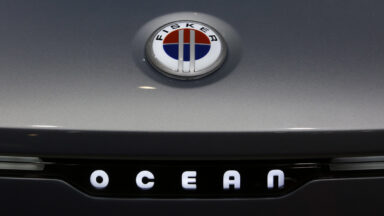
Picture this: you turn the key in your car or press the ignition button, and nothing happens. This isn't due to a dead battery or a malfunctioning engine; instead, it’s because a critical server has ceased operations. For an increasing number of vehicles, this scenario is becoming a reality. As cars evolve into sophisticated platforms for software and subscription services, their functionality is becoming more closely linked to the companies that develop their software. When these companies face bankruptcy, the implications extend far beyond a simple app malfunction and raise profound concerns about the vehicle's ability to operate. Over the years, automotive software has transitioned from basic engine management to powering the complex, interconnected systems found in today’s software-defined vehicles. Modern features allow users to perform tasks like unlocking doors, activating headlights, and preconditioning the interior through smartphone applications. However, some vehicles are designed so that they won’t unlock unless a compatible phone with the manufacturer's app is nearby. While the convenience of these advancements is undeniable, there's a growing sense of nostalgia for the days when a quick phone call to a mechanic could solve most vehicle issues. Mechanical failures were often straightforward to diagnose and fix, allowing cars to get back on the road swiftly. In contrast, software-driven vehicles complicate this process. A malfunction can leave a car incapacitated in a driveway or stranded on the roadside, waiting not for mechanical parts but for a software technician to resolve the issue. Consider the case of Fisker. The Californian automaker introduced its Ocean Sport to the UK market in May 2023, only to file for bankruptcy a year later. With a starting price of £35,000 ($44,000) and top-spec versions reaching £60,000 ($75,000), this all-electric vehicle aimed to compete with the Tesla Model Y. It boasted innovative features like a partially retracting roof and a rotating touchscreen, alongside a six-year/62,000-mile warranty, and a 10-year/100,000-mile warranty for the battery and powertrain. As the automotive landscape continues to shift towards software reliance, the fate of vehicles may increasingly hinge on the stability of their software providers.
Figma Engineer Files Lawsuit Claiming Workplace Harassment and Retaliation
A former engineer at Figma has initiated legal action against the design software firm and its CEO, Dylan Field, citing ...
TechCrunch | Nov 23, 2026, 23:15
realme P4x 5G vs vivo Y31t 5G: Which Smartphone Offers the Best Bang for Your Buck?
When it comes to choosing between the realme P4x 5G and the vivo Y31t 5G, potential buyers are faced with distinct advan...
Business Today | Nov 24, 2026, 01:50
Threads Expands to iPad with New Cashtag Feature to Rival X
Meta's Threads app has officially launched a dedicated version for iPad, marking a significant milestone in its developm...
TechCrunch | Nov 24, 2026, 18:00
Instagram Integrates AI Assistant Muse for Enhanced User Experience
In a significant move, Meta has announced the integration of its AI assistant, Muse, directly into Instagram's direct me...
TechCrunch | Nov 24, 2026, 17:25
Nvidia's Leadership Shakeup: CFO Excluded from CEO Reinstatement Talks
Nvidia's chief financial officer, Colette Kress, who had a brief stint as interim CEO, was reportedly not included in se...
Business Today | Nov 24, 2026, 15:15