TikTok-like microdramas are going to make billions this year, even though they kind of suck
In a world where college students juggle academics and side jobs, one tale stands out: a young woman works nights at a strip club, keeping her secret hidden—until her enigmatic English teacher unexpectedly appears. Will her double life be exposed? Audiences can pay 60 tokens to find out what unfolds next, watch an ad, or opt for a $20 weekly VIP pass to skip ads entirely. Despite their often cheesy plots and questionable acting, these microdramas—short, TikTok-like episodes lasting about a minute—are generating massive revenue. Originally gaining traction in China, these apps are on the verge of a breakthrough in the U.S. market. Data from app intelligence firm Appfigures reveals that ReelShort amassed around $1.2 billion in consumer spending in 2025, a staggering 119% increase from the previous year. Another prominent player, DramaBox, reported $276 million in consumer spending last year, more than doubling its figures from 2024. The momentum in this space shows no signs of waning. TikTok has launched its own microdrama platform named PineDrama, while GammaTime, an app developed by Hollywood insiders, recently secured $14 million in funding from notable investors, including Alexis Ohanian and Kim Kardashian. This trend is particularly fascinating given the recent history of Quibi, a streaming platform that aimed to deliver short episodes on-the-go but ultimately failed spectacularly. Eric Wei, a creator economy expert, offers insight into why microdramas are succeeding where Quibi did not. He likens these apps to a version of OnlyFans tailored for a female audience, highlighting their focus on romantic fantasy narratives. Unlike Quibi, microdramas often feature suggestive content designed to entice viewers to spend money to see more. The business model of these microdrama apps mirrors that of mobile games, aiming to hook users with free content while enticing them to spend real money on in-app currency. Users find themselves needing more tokens to unlock episodes, often leading them to pay for a weekly pass that, after a month, could exceed the combined cost of subscriptions to major streaming services like HBO Max and Netflix. As artificial intelligence continues to evolve, these companies are poised to produce content at an unprecedented rate. While AI may not craft complex narratives akin to HBO's acclaimed shows, it excels in generating predictable plots that require minimal creativity. The microdrama genre often begins with familiar tropes, such as the classic narrative of an underdog being saved by a popular figure. Some platforms, like PocketFM, are already leveraging AI technology to enhance storytelling, allowing writers to create engaging plots more efficiently. Meanwhile, Ukrainian startup Holywater positions itself as an AI-driven entertainment network with its microdrama app, My Drama. Despite the reliance on AI, there remains a space for creators to thrive in this burgeoning field, as short-form content typically has lower production costs. With the right blend of creativity and technology, this industry has developed a lucrative model that caters to the quick consumption habits of today’s audiences, combining in-app purchases with engaging, yet simplistic, narratives.
AI Skills Outshine Experience in India's Tech Job Market
In a significant shift within India's technology job market, specialized artificial intelligence (AI) skills are increas...
Business Today | Jul 23, 2026, 04:00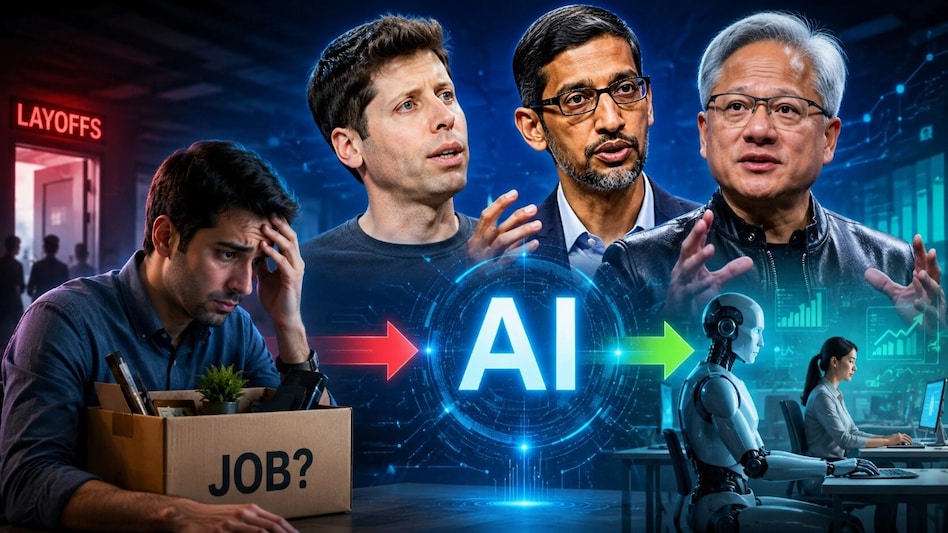
Silicon Valley's Startup Leaders Rally Against Potential Ban on Chinese AI Models
Nearly 200 companies from Silicon Valley, including prominent names like Proton and Y Combinator, are appealing to the T...
Business Insider | Jul 22, 2026, 23:25IBM Faces Setbacks Amidst AI Boom: Mainframe Business Struggles
IBM's recent earnings report revealed significant challenges for the tech giant, as it fell short of Wall Street's expec...
TechCrunch | Jul 22, 2026, 23:55
Meta Escapes Social Media Addiction Lawsuit as Plaintiff Withdraws
In a surprising turn of events, the social media addiction lawsuit against Meta has been withdrawn by the plaintiff, jus...
TechCrunch | Jul 22, 2026, 20:45
Allegations Fly as US Claims Chinese AI Model Breached Intellectual Property
In a bold accusation, Michael Kratsios, science and technology adviser to President Donald Trump, has charged that the C...
Business Today | Jul 23, 2026, 05:20